Services

Torn between two services?A project manager will guide you

Catalog

Explore the full catalog1,000+ formulas ready to carry your brand

Face careFull range

Serums, creams and targeted care, formulated with your actives.

Body careFull range

Moisturizing, nourishing and shower care: cream, butter or oil.

Specialty careFull range

Sun care, lips, intimate care and oral care.

Men, baby, makeupFull range

Shaving and beard, baby and mom, makeup.

Industries

All solutions by industryFormulas and formats for your business

Laboratory

Cosmetics manufacturing room with a row of stainless-steel mixers and an operator in white workwearOur factory in Aït MelloulISO 22716 and ISO 9001, visits by appointmentDiscover the factory

Resources

Vitamin E (tocopherol and tocopheryl acetate)

Vitamin E is the name of the tocopherol family. In cosmetics, either free tocopherol, which is fragile, or its ester, tocopheryl acetate, which is more stable, is used6. It is the main lipophilic antioxidant of the stratum corneum, which is depleted by UV8. Trials mostly test the combination with vitamin C, at 1% vitamin E910.

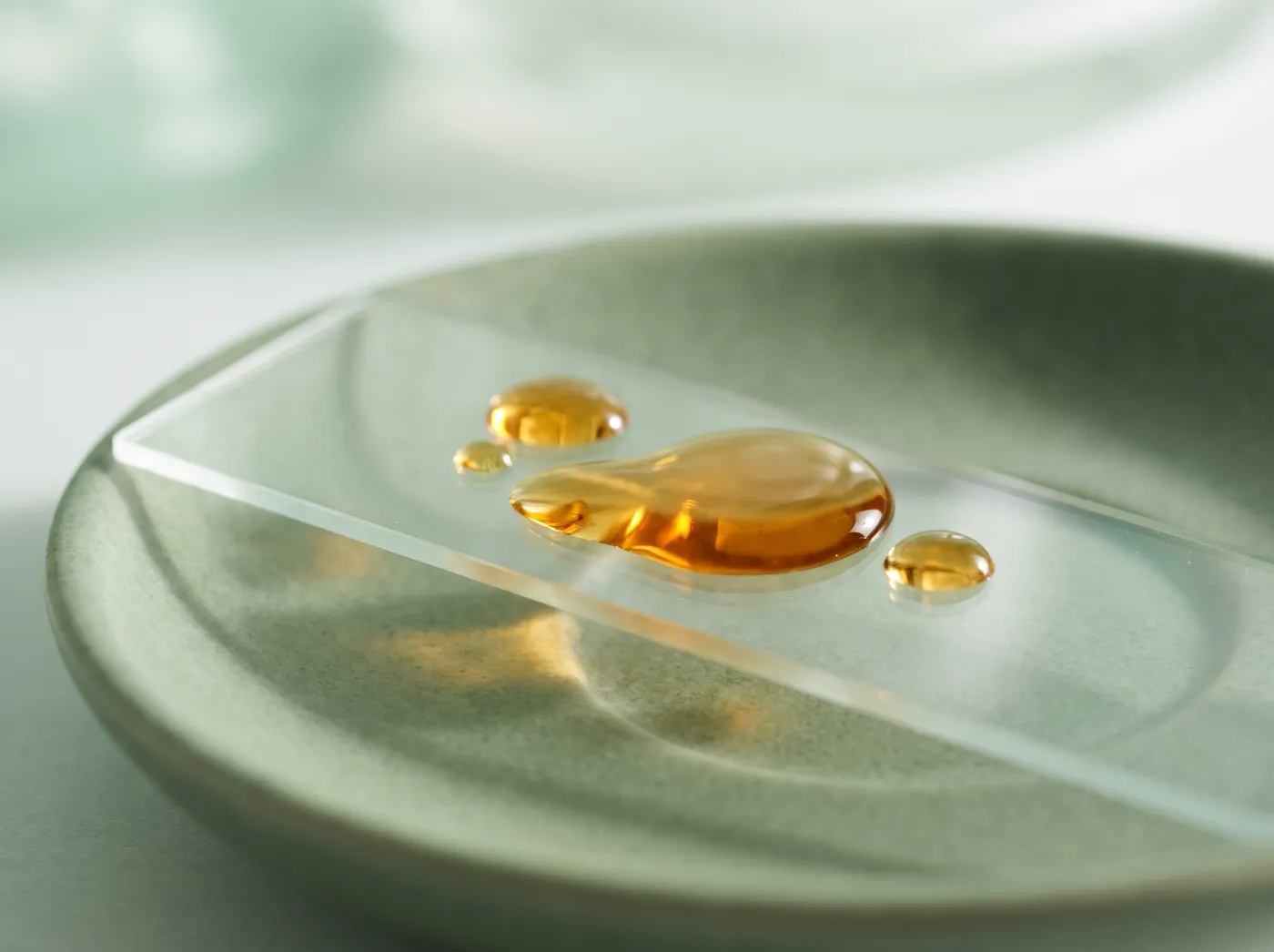
Tocopheryl acetate, a viscous amber oil, in macro view on a sage green ceramic surface

Vitamin E at a glance

Entry from our cosmetic ingredient glossary. Regulatory data from the European Commission's CosIng database12, safety according to the CIR expert panel34. Copy the identifiers in one click for your files.

INCI name
TOCOPHERYL ACETATEFree tocopherol has the INCI name TOCOPHEROL2
Other names
Tocopheryl acetateVitamin E acetate, α-tocopheryl acetate
CAS number
7695-91-2CosIng also lists CAS 58-95-71
EC number
231-710-0CosIng also lists EC number 200-405-41
Chemical name
2,5,7,8-Tetramethyl-2-(4,8,12-trimethyltridecyl)chroman-6-yl acetateAcetic ester of tocopherol, CosIng name in benzopyran nomenclature1
CosIng functions
Antioxidant, skin conditioning"Antioxidant" and "skin conditioning" in the European nomenclature1
Appearance
Fat-soluble esterFormulated in the oil phase; more stable than free tocopherol6
EU status
No restrictionNot listed in the annexes of Regulation (EC) 1223/2009; CosIng cites an SCCS opinion on tocopheryl acetate1
Allergen to declare
NoContact reactions are rare: 0.9% positive tests among 38,699 people tested13
Safety
Judged safe in cosmetics2002 CIR report on tocopherol and its esters, including the acetate4; 2018 report on tocopherols, safe under conditions of use3

What the research says

Each result shows the protocol and the level of evidence. The higher the level, the better the result carries over to a finished formula.

Clinical trialReview or consensusLaboratory

Facial skinSkincare

A natural antioxidant of the stratum corneum, used up by UV

Clinical trial
6 volunteersSimulated sun dose below the erythema thresholdHairless mice as a supplement

The vitamin E level is more than ten times lower at the surface than deep in the stratum corneum (6.5 versus 76 pmol/mg for α-tocopherol). A sun dose below the redness threshold lowers it by 45% (α) and 35% (γ)8.

Skin tone, elasticity and wrinkles: vitamin C and E serum

Clinical trial
Vitamin C 20%, vitamin E, raspberry leaf extract2 months50 women aged 30 to 65Split-face, randomized

Skin tone, elasticity and radiance improved, with less scaling and fewer wrinkles than the untreated side. Tingling and a tight feeling were reported. Vitamin E is not tested alone12.

Vitamins C and E combined: protection against sun redness

Clinical trial
Vitamin C 15%, α-tocopherol 1%, ferulic acid 0.5%4 days of applicationHuman skin, simulated sun

Photoprotection is significant on all the criteria assessed: erythema, sunburn cells, thymine dimers, p53 and cytokines. The sample was small; this is not a substitute for sunscreen10.

Vitamins C and E together, better than either alone

Laboratory
Vitamin C 15%, α-tocopherol 1%Pig skin4 days of application

The combination protects better against erythema and sunburn cells than either vitamin alone, with an antioxidant protection factor of 4. Each vitamin alone already protects9.

Vitamin E mostly against UVB, vitamin C against UVA

Laboratory
Pig skinWith and without sunscreen filter

In the combination, most of the protection against UVB comes from vitamin E. Vitamin C protects better against the effects of UVA, and adding a UVA filter gives more than additive protection against phototoxic damage11.


Tocopherol or acetateBioconversion

The acetate turns into tocopherol, but not at the surface

Laboratory
Living human skin ex vivoFranz cells4 dosage forms

The acetate is not converted at the surface or in the stratum corneum. In the underlying skin, up to 50% of the total is deacetylated. The dosage form changes deposition: acetate in oil stays at the surface and in the stratum corneum6.

Antioxidant power: tocopherol, vitamin C and acetate

Clinical trial
0.5% in emulsionIn vivo, stratum corneum proteins7 antioxidants compared

α-Tocopherol and ascorbic acid have excellent antioxidant power, the acetate better than average. The authors suggest that the acetate converts to α-tocopherol in the stratum corneum in less than 2 weeks7.

Expert view and safetyDermatology

Mostly cosmetic use, few controlled trials

Review
2005 critical review

The authors report photoprotective and barrier-stabilizing properties in experimental studies, but stress the lack of controlled trials to set doses5.

Tocopherols: safe under conditions of use

CIR assessment
2018 CIR expert panel14 tocopherols and tocotrienols

The panel concludes that these ingredients are safe as used in cosmetics. The 2002 report had already assessed tocopherol and its esters, including the acetate34.

Rare contact reactions

Test data
Patch tests 2001-201638,699 people tested

0.9% positive tests (349 people), most often to skincare products, especially moisturizers. The authors consider this rate low given the very widespread use13.

This page summarizes published literature on a cosmetic ingredient. It does not describe the effect of a finished product, which depends on its formula, and it is not medical advice. Vitamin E is most often tested with vitamin C: the effect of vitamin E on its own is not always isolated. Several photoprotection studies use animal models, which is stated.

Concentrations used in studies

The trials cited test vitamin E at 0.5 and 1%, in combination with vitamin C for photoprotection. These studies do not establish a dose for the acetate alone: the final concentration is set with the formulator, depending on the role you want (formula antioxidant or skincare antioxidant).

Which products use vitamin E?

Our white label catalog includes 117 formulas with vitamin E: the key active in 4 of them, a supporting ingredient in the others. Every category can be customized (formula, fragrance, packaging).

Tocopheryl acetate, tocopherol, vitamin C or ferulic acid?

The four actives that come up in an antioxidant formula. Photoprotection trials combine vitamins C and E910.

Tocopheryl acetateTocopherolVitamin CFerulic acid
RoleStable formula antioxidant, becomes tocopherol in living skin67Lipophilic antioxidant of the stratum corneum, used up by UV8Water-soluble antioxidant, paired with vitamin E9Stabilizes the C and E combination in the 2008 trial10
Form testedDeposits mostly at the surface with oil, up to 50% deacetylated deeper in6α-Tocopherol at 1%910L-ascorbic acid at 15%9100.5%10
EU statusNo restriction1No restriction2No restriction in CosIngNo restriction in CosIng
In the formulaEster more stable than free tocopherol6Sensitive to oxidation, which is its role as an antioxidantNeeds a stabilized formula10Acts as a stabilizer of the combination10

Frequently asked questions about vitamin E

What is vitamin E in cosmetics?
It is the family of tocopherols, fat-soluble antioxidants naturally present in the stratum corneum of the skin8. In cosmetics, free tocopherol or its more stable ester, tocopheryl acetate6, is used to protect formulas and skin from oxidation.
Tocopherol or tocopheryl acetate: what is the difference?
Tocopherol is the free form, active but fragile. Tocopheryl acetate is its ester: more stable in a formula, it has to be converted to tocopherol in the skin. This conversion exists in living skin, up to 50% ex vivo6, and would be possible in the stratum corneum7. Two separate INCI names: TOCOPHEROL and TOCOPHERYL ACETATE.
What are the benefits of vitamin E for skin?
It is an antioxidant of the stratum corneum that UV depletes8. Combined with vitamin C, it protected skin from sun redness in trials910, and a C and E serum improved skin tone and elasticity in 2 months12. Clinical evidence for vitamin E alone remains limited5.
What percentage of vitamin E should you use?
Published trials test α-tocopherol at 1% with vitamin C910 and 0.5% for antioxidant power7. No dose of acetate alone is established. The dose of a product is decided with the formulator, depending on the format.
Can you use vitamin E with vitamin C?
Yes, it is the most studied combination: it protects better against erythema than either vitamin alone9, and ferulic acid stabilizes the combination10. The stability of the final formula is checked in the lab. An antioxidant product does not replace sunscreen.
Is vitamin E good for hair?
No clinical study retained here concerns hair. In formulation, it is mostly used as a supporting antioxidant in oils, serums, masks and leave-ins, to protect the oils from oxidation.
Is vitamin E safe?
The CIR panel judges tocopherols safe under conditions of cosmetic use3 and tocopheryl acetate is not restricted in the EU1. Contact reactions are rare: 0.9% positive tests among more than 38,000 people tested13.
Can you manufacture a vitamin E serum for my brand?
Yes. Our ISO 22716 certified lab offers 117 formulas with vitamin E (antioxidant serums, oils, sun care, body and hair care) that you can customize, or a custom formula. Samples are free.

Sources

Peer-reviewed studies and official regulatory sources, checked on November 2, 2026.

  1. European Commission. CosIng, entry TOCOPHERYL ACETATE (CAS 7695-91-2 / 58-95-7, EC 231-710-0 / 200-405-4). ec.europa.eu/growth/tools-databases/cosing
  2. European Commission. CosIng, entry TOCOPHEROL (CAS 54-28-4 and other CAS, EC 200-201-5 and other EC numbers). ec.europa.eu/growth/tools-databases/cosing
  3. Fiume MM, Bergfeld WF, Belsito DV, et al. Safety Assessment of Tocopherols and Tocotrienols as Used in Cosmetics Int J Toxicol. 2018;37(2 Suppl):61S-94S.. doi:10.1177/1091581818794455
  4. Zondlo Fiume M. Final report on the safety assessment of Tocopherol, Tocopheryl Acetate, Tocopheryl Linoleate, Tocopheryl Linoleate/Oleate, Tocopheryl Nicotinate, Tocopheryl Succinate, Dioleyl Tocopheryl Methylsilanol, Potassium Ascorbyl Tocopheryl Phosphate, and Tocophersolan Int J Toxicol. 2002;21 Suppl 3:51-116.. doi:10.1080/10915810290169819
  5. Thiele JJ, Hsieh SN, Ekanayake-Mudiyanselage S. Vitamin E: critical review of its current use in cosmetic and clinical dermatology Dermatol Surg. 2005;31(7 Pt 2):805-813.. doi:10.1111/j.1524-4725.2005.31724
  6. Baschong W, Artmann C, Hueglin D, Roeding J. Direct evidence for bioconversion of vitamin E acetate into vitamin E: an ex vivo study in viable human skin. J Cosmet Sci. 2001;52(3):155-161. PMID 11413495
  7. Tsai FJ, Wang YD, Chen CC, et al. Evaluation of the antioxidative capability of commonly used antioxidants in dermocosmetics by in vivo detection of protein carbonylation in human stratum corneum J Photochem Photobiol B. 2012;112:7-15.. doi:10.1016/j.jphotobiol.2012.03.013
  8. Thiele JJ, Traber MG, Packer L. Depletion of human stratum corneum vitamin E: an early and sensitive in vivo marker of UV induced photo-oxidation J Invest Dermatol. 1998;110(5):756-761.. doi:10.1046/j.1523-1747.1998.00169.x
  9. Lin JY, Selim MA, Shea CR, et al. UV photoprotection by combination topical antioxidants vitamin C and vitamin E J Am Acad Dermatol. 2003;48(6):866-874.. doi:10.1067/mjd.2003.425
  10. Murray JC, Burch JA, Streilein RD, et al. A topical antioxidant solution containing vitamins C and E stabilized by ferulic acid provides protection for human skin against damage caused by ultraviolet irradiation J Am Acad Dermatol. 2008;59(3):418-425.. doi:10.1016/j.jaad.2008.05.004
  11. Darr D, Dunston S, Faust H, Pinnell S. Effectiveness of antioxidants (vitamin C and E) with and without sunscreens as topical photoprotectants Acta Derm Venereol. 1996;76(4):264-268.. doi:10.2340/0001555576264268


  12. Rattanawiwatpong P, Wanitphakdeedecha R, Bumrungpert A, Maiprasert M. Anti-aging and brightening effects of a topical treatment containing vitamin C, vitamin E, and raspberry leaf cell culture extract: a split-face, randomized controlled trial J Cosmet Dermatol. 2020;19(3):671-676.. doi:10.1111/jocd.13305
  13. Warshaw EM, Ruggiero JL, DeKoven JG, et al. Patch testing with tocopherol and tocopherol acetate: the North American Contact Dermatitis Group experience, 2001 to 2016 Dermatitis. 2021;32(5):308-318.. doi:10.1097/DER.0000000000000706
Carmel Cosmetics Labs product specialist with a brand founder

Tell us about your project

A product specialist reviews your request and gets back to you on the channel you prefer.

Lead EN – Demande de devis
Tell us about your project. A product specialist will get back to you shortly.
CONTACT INFORMATION
Name
PROJECT INFORMATION
Which cosmetics category interests you most?

By submitting this form, you agree to our terms of service and privacy policy.

No obligation. Your information stays confidential and is used only to prepare your quote.