




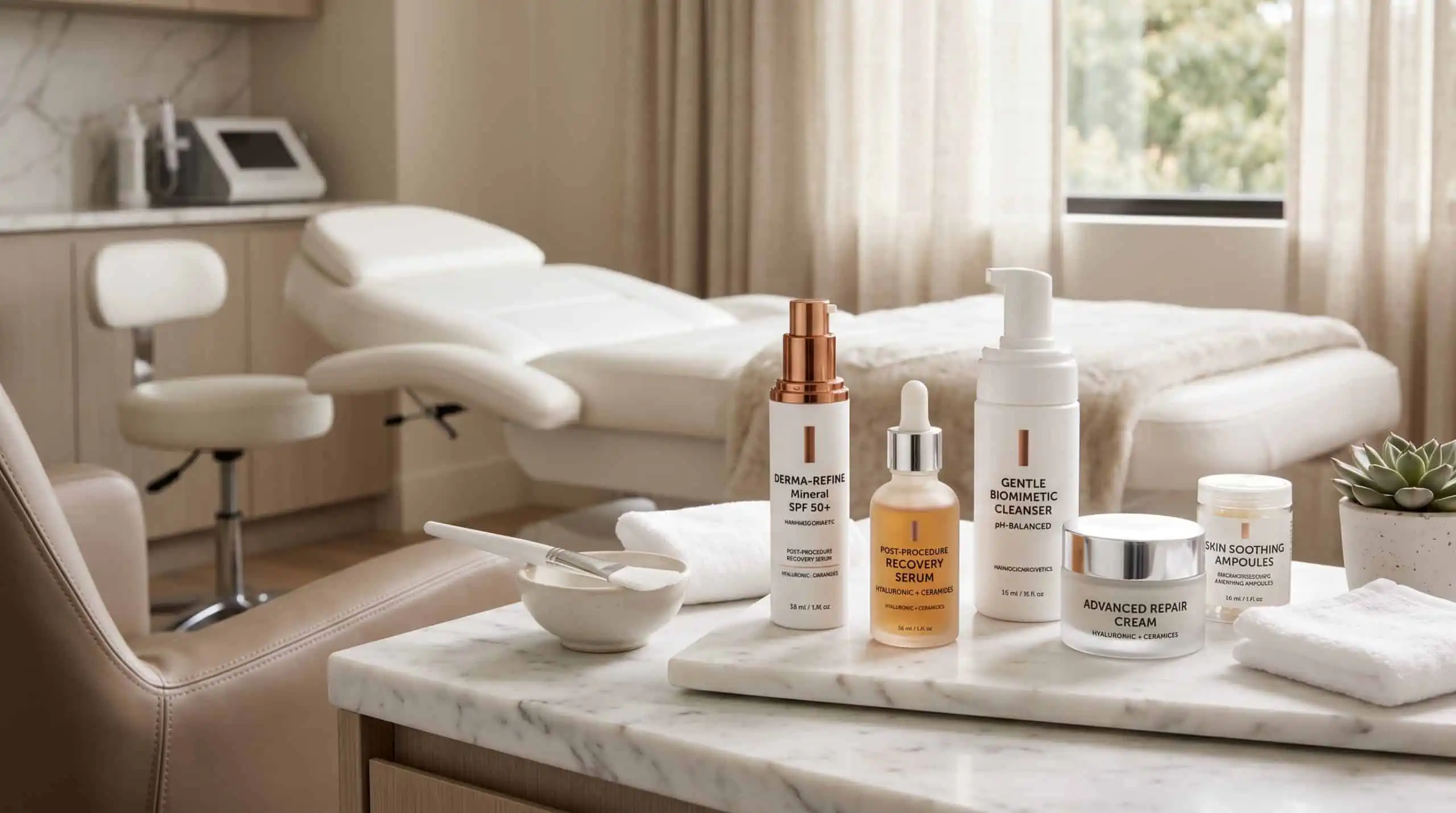
The post-procedure dermocosmetics market is set to boom in 2026 — here’s how your brand can benefit. While traditional players rest on their laurels, a quiet revolution is reshaping medical beauty: peri-procedural skincare. This ultra-premium niche, long reserved for big pharmaceutical labs, is now opening up to independent brands, medi-spas and aesthetic clinics that want a coherent, branded, high-value range. At Carmel Cosmetics Labs, we already support B2B players in this growing segment — and in this guide, you’ll learn exactly why you should enter it now, and how.
Peri-Procedural Skincare: Definition + 4 Key Contexts (Peels, Laser, Injectables, Microneedling)
Peri-procedural skincare covers all the cosmetic and dermocosmetic care used before, during and after a medical aesthetic procedure. The term “peri” (from the Greek for “around”) spans three distinct phases:
- Pre-procedure: preparing the skin to optimize treatment results and reduce the risk of complications (e.g. vitamin C pre-treatment before laser).
- Intra-procedure: care applied during the procedure itself (e.g. a neutral cleanser in the treatment room).
- Post-procedure: recovery and skin-repair care (e.g. a barrier cream after a chemical peel).
The four clinical contexts that create the strongest need for post-treatment dermocosmetics are:
- Chemical peels (AHA, TCA, phenol): the skin barrier is compromised; the skin needs ultra-soothing, fragrance-free and alcohol-free care based on ceramides and low-molecular-weight hyaluronic acid.
- Laser & IPL treatments (ablative fractional, CO₂, Nd:YAG): the heat generated causes prolonged micro-inflammation. The post-laser protocol calls for a mineral SPF ≥ 50, a powerful antioxidant and a non-comedogenic restorative moisturizer.
- Injectables (botulinum toxin, hyaluronic acid fillers, biostimulators): the treated area may show swelling, light bruising and temporary hypersensitivity. Decongesting care with arnica and soothing peptides is recommended.
- Microneedling & Radiofrequency: the micro-channels created boost active penetration — but require sterile or high-microbiological-safety formulas to avoid any infection.
Each context opens a distinct commercial opportunity for a private label post-microneedling skincare or post-laser cream brand.
The Global Market in 2026: Figures, Growth and Leading Players (SkinCeuticals, Alastin, Zo Skin Health, SkinBetter)
The numbers speak for themselves. The global aesthetic medicine market is expected to exceed $25 billion in 2026, with a compound annual growth rate (CAGR) above 12%. And for every aesthetic procedure performed, the practitioner generates on average 1.5 to 3 related skincare purchases. Post-treatment dermocosmetics is therefore a massive, almost automatic spin-off market. In Morocco, see our analysis of the MAD 2.77 billion dermocosmetics market.
Today’s leaders confirm the trend:
- SkinCeuticals (L’Oréal Dermatological Beauty): a pioneer with its C E Ferulic antioxidants and post-procedure ranges sold exclusively in clinics. Unit price: €160–200.
- Alastin Skincare: specialized in peri-procedural care with its “TransFORM Body Treatment” and “Regenerating Skin Nectar” lines. Distributor margin: 55–65%.
- Zo Skin Health (Dr Zein Obagi): complete pre/post-procedure protocols distributed through a closed medical network. Ultra-premium positioning.
- SkinBetter Science: strong growth in peptides and next-generation retinoids, with controlled distribution through dermatologists and medi-spas.
What these brands have in common: exclusive medical distribution, high prices and a barrier to entry perceived as high — which, in reality, falls away for well-formulated white label brands.
Why This Is THE Trend for a B2B Cosmetics Brand to Capture (Margins + Barriers to Entry)
Peri-procedural skincare is not a fad. It sits where several megatrends converge, making this market especially attractive for B2B players who want to launch a private label dermocosmetic line:
- Growth in aesthetic procedures: +15% a year in Europe according to ISAPS. Every new practitioner is a potential client for a post-treatment range under their own brand.
- Exceptional margins: post-procedure dermocosmetics retail at €80–250. With controlled formulation costs, margins can reach 70–80% for the B2B reseller.
- Built-in loyalty: a practitioner who builds a range into their clinical protocol creates structural repeat business: patients come back, repurchase and recommend.
- Regulatory barrier (a defensive advantage): regulatory constraints (claims, tolerance testing, suitable formulations) deter unprepared competitors. A lab like Carmel Cosmetics Labs that masters these details turns the barrier into a competitive advantage.
- A gap in the French-speaking B2B market: today there is no French-speaking white label player specialized in this niche. The window of opportunity is wide open.
The 5 Essential Products in a Peri-Procedural Range (Gentle Cleanser, Barrier Repair, Mineral SPF, Antioxidant, Restorative Moisturizer)
A complete peri-procedural range rests on a core of 5 strategic SKUs, designed to cover the entire care cycle:
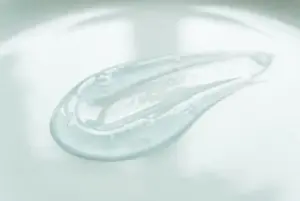
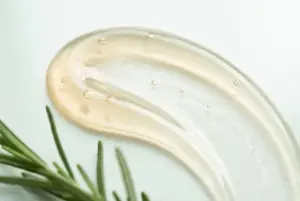
- 1. Gentle post-procedure cleanser: sulfate-free, physiological pH (5.5), alcohol-free and fragrance-free. A water-gel formula with aloe vera and glycerin. Essential in the first 48 hours after treatment so as not to disrupt skin recovery and to preserve the skin microbiome.
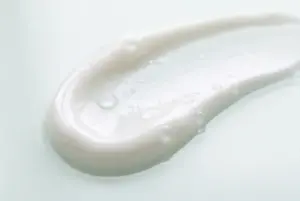
- 2. Barrier-repair cream: an emulsion rich in ceramides (NP, AP, EOP), cholesterol and essential fatty acids. It rebuilds the hydrolipidic film disrupted by the treatment. This is the hero product of a post-microneedling skincare or post-peel range.
- 3. High-protection mineral SPF: a physical filter based on micronized titanium dioxide and zinc oxide. SPF 50+ with a fluid, non-comedogenic feel. Absolutely non-negotiable after any laser treatment or peel: photosensitivity rises sharply.
- 4. Antioxidant serum: stabilized vitamin C (ascorbyl glucoside or tetrahexyldecyl ascorbate), vitamin E and ferulic acid. Protects against free radicals, supports skin recovery and helps prevent post-inflammatory hyperpigmentation (PIH). The premium product of the range.
- 5. Restorative moisturizer: a light formula with low-molecular-weight hyaluronic acid, panthenol (provitamin B5) and centella asiatica extract. Used daily, morning and evening, throughout the recovery phase (7 to 21 days depending on the treatment).
Together, these 5 products form a coherent, brandable program with a protocol logic that raises perceived value for both patient and practitioner.
Key Ingredients for 2026: Ceramides + Peptides + TriHex + Arnica + Low-MW Hyaluronic Acid
Formulating a peri-procedural private label dermocosmetic line relies on a portfolio of clinically validated actives. Here are the must-have ingredients for 2026:
- Ceramides (NP, AP, EOP, NS): the building blocks of the intercellular lipid matrix. Restoring them is priority number one after any treatment that compromises the skin barrier. Optimal ratio: 1:2:1 (ceramides:cholesterol:free fatty acids).
- Signal peptides: Matrixyl 3000 (palmitoyl tripeptide-1 + palmitoyl tetrapeptide-7), Argireline (acetyl hexapeptide-3), Leuphasyl. They stimulate collagen and fibronectin synthesis, ideal after injectables and microneedling.
- TriHex™ Technology (patented by Alastin): a proprietary complex of tripeptides and hexapeptides that activates extracellular matrix renewal. The most cited formulation trend in peri-procedural publications in 2025–2026. Generic alternatives exist for white label brands.
- Arnica montana (extract): anti-bruising and soothing properties. Especially suited to post-injectable care (fillers, botox) to reduce swelling and bruising. Watch concentrations and local regulations.
- Low-molecular-weight hyaluronic acid (50–100 kDa): penetrates deeper than standard HA (1,800 kDa). Stimulates the skin’s own HA production and supports tissue recovery. Ideal in post-laser cream formulation.
- Centella asiatica (asiaticoside, madecassoside): the benchmark natural skin-repair ingredient. Stimulates fibroblasts, calms inflammation and improves the look of scars. A strong trend in the Korean market and increasingly adopted in Western aesthetic medicine.
- Niacinamide (vitamin B3): fights hyperpigmentation, regulates sebum and strengthens the barrier. An excellent core active at 5–10% in long-term post-procedure formulas.
Regulation: Watch Out for Therapeutic Claims (Cosmetic vs Medical Device vs Medicine)
This is the most critical point, and the one brands entering this market most often get wrong. In Europe, the regulatory line between cosmetic, medical device and medicine is very strict (Regulation (EU) 2017/745 + Cosmetics Regulation (EC) No 1223/2009).
- Cosmetic (EC 1223/2009): permitted claims → “soothes”, “hydrates”, “smooths”, “preps the skin”. Prohibited → “heals scars”, “treats”, “cures”, “heals”. Any therapeutic claim takes the product outside the cosmetic framework.
- Medical device (MDR 2017/745): if the product claims a physiological effect (e.g. “promotes tissue healing”), it may qualify as a Class I or IIa medical device. That means CE marking under the MDR, full technical documentation and a notified body depending on the class.
- Red zone: terms like “post-procedure”, “post-laser” or “post-peel” used as direct claims can alert the competent authorities (ANSM in France, ONSSA in Morocco). Word claims carefully: “soothing care for weakened skin” rather than “post-peel treatment”.
At Carmel Cosmetics Labs, our regulatory team systematically reviews every claim on your products before launch, so you stay within the cosmetic framework without losing your range’s marketing impact.
How Carmel Cosmetics Labs Formulates Your Custom Peri-Procedural Range (R&D + Accessible MOQ)
You’ve identified the market, you know the actives and you understand the regulatory stakes. Next step: take action with a partner that masters the entire value chain. That’s where Carmel Cosmetics Labs comes in: a formulation and manufacturing lab based in Agadir, Morocco.
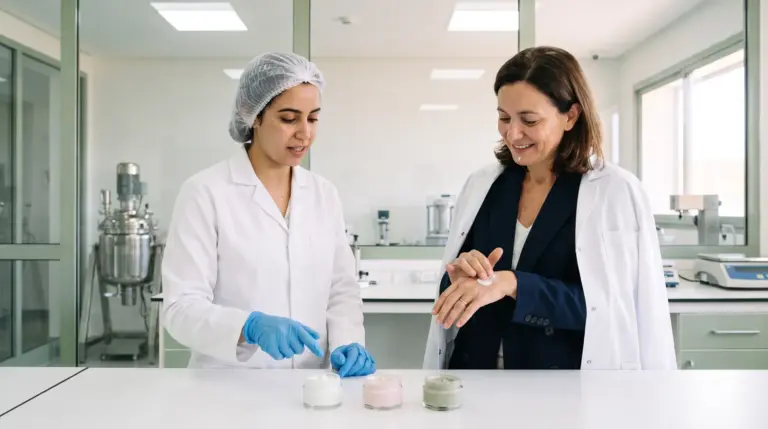
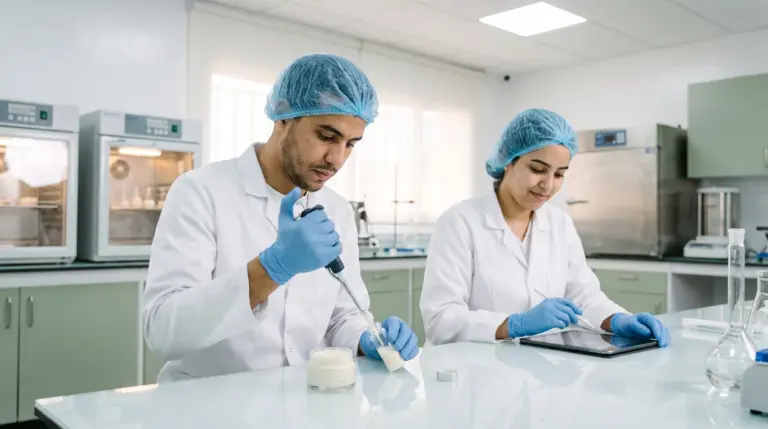
- Custom R&D: our formulators develop your peri-procedural range from scratch or adapt existing bases with your specific actives (TriHex alternatives, exclusive peptides, Moroccan botanical extracts). Timeline: defined with you in the quote.
- Accessible MOQ: we work with an accessible MOQ per SKU, specified in your quote. It lets you plan your launch with confidence and scale production as demand grows.
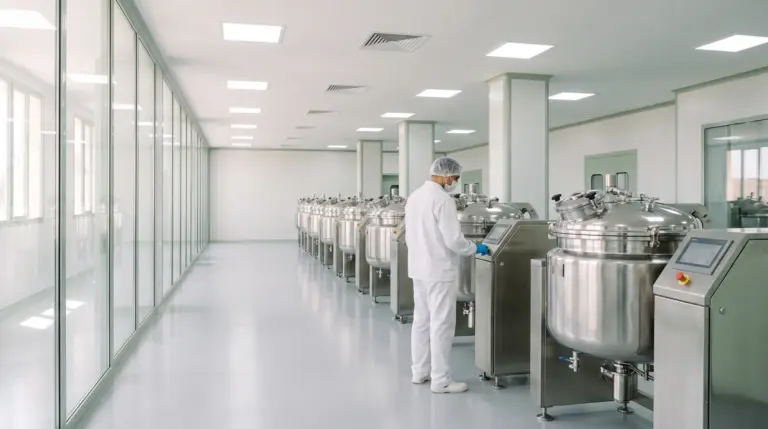
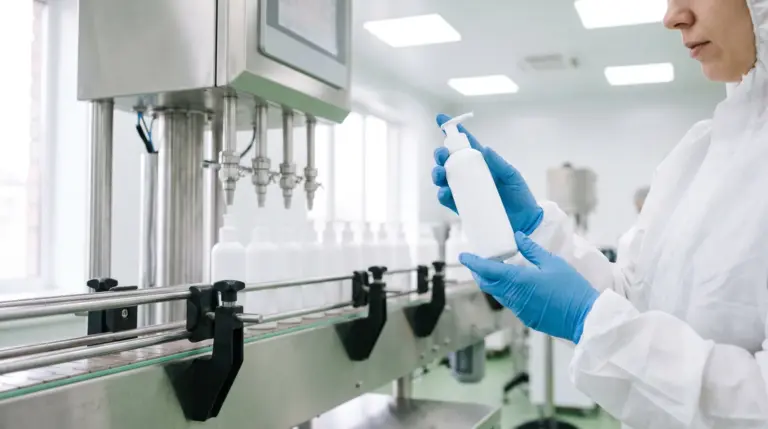
- Turnkey packaging & branding: packaging design, printing, filling and labeling in our ISO 22716-certified facilities (cosmetic GMP). You receive finished products ready to sell under your brand.
- Regulatory compliance: complete technical file (PIF), CPSR by a qualified safety assessor, CPNP notifications for Europe, and certificates for Morocco/MENA markets. You have no paperwork to handle.
- Clinical & dermatological testing: skin tolerance tests, efficacy tests (corneometry, TEWL measurement, mexametry) and accelerated stability tests. Documented results to support your marketing claims.
- Go-to-market support: medical distribution strategy, clinical sales pitch, training for your sales teams and co-branded marketing materials.
Whether you’re a medi-spa that wants its own branded post-treatment care, a dermocosmetics distributor, an aesthetic clinic looking to build patient loyalty, or a fast-growing B2B beauty brand — we have the model that fits your ambition.
FAQ: Your Questions About White Label Peri-Procedural Skincare
What exactly is peri-procedural skincare?
It’s all the cosmetic and dermocosmetic care used before, during and after a medical aesthetic procedure (peel, laser, injectables, microneedling). These products are formulated for the specific physiological needs of post-treatment skin: hypersensitivity, a compromised barrier and increased photosensitivity.
Which post-peel products are essential in a white label range?
A gentle sulfate-free cleanser, a ceramide barrier cream, a mineral SPF 50+, a stabilized vitamin C antioxidant serum, and a restorative moisturizer with low-molecular-weight hyaluronic acid and panthenol. These 5 SKUs cover the complete protocol.
Can you call your products “post-laser” or “post-peel” on the packaging?
With caution. Under EU cosmetics law, claims must stay within the cosmetic scope (no therapeutic claims). It’s better to say “care for weakened, sensitized skin” rather than “post-laser treatment”. Carmel Cosmetics Labs reviews all your claims for regulatory compliance.
What is the minimum MOQ to launch a white label peri-procedural range?
At Carmel Cosmetics Labs, we offer an accessible MOQ per SKU, specified in your quote based on your project. You can then scale production as demand grows.
How long does it take to develop a custom peri-procedural range?
It depends on formulation complexity, the testing required and the packaging you select; the timeline is defined with you in the quote. Starting from an existing formula in our white label catalog simplifies development, with production launched once samples and packaging are approved.
Are peri-procedural products subject to special regulations?
They remain within the cosmetics regulatory framework (EC 1223/2009) as long as the claims don’t cross into the medical field. Carmel Cosmetics Labs prepares the technical files (PIF), CPSR and regulatory notifications for sale in Europe and the MENA region.
Is there demand for these products in Morocco and the MENA region?
Yes, and it’s accelerating fast. Morocco is seeing a rise in aesthetic clinics in its major cities (Casablanca, Rabat, Marrakech, Agadir). These practitioners are actively looking for quality ranges to sell under their own brand, without going through costly European importers. In Rabat, Salé and Kenitra, we manufacture this care for aesthetic clinics and pharmacies.
Conclusion: The Right Time Is Now
Peri-procedural skincare is no longer a confidential niche reserved for pharmaceutical labs. It’s a market opening up fast, with premium margins, rapidly growing demand and — for now — few B2B white label players in the French-speaking segment. The window of opportunity is open. It won’t stay open forever.
If you want to launch your post-treatment dermocosmetic range under your own brand, with a clinically validated formula, guaranteed regulatory compliance and end-to-end support, it’s time to talk to our team.
→ Contact Carmel Cosmetics Labs today for a tailored quote and a free formulation consultation.