


For skin and face
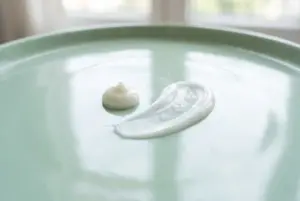
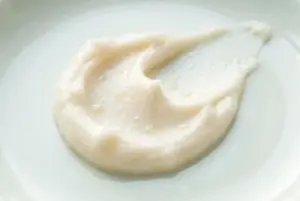
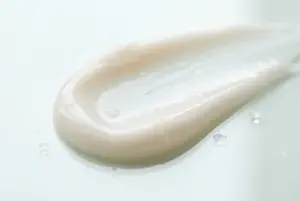
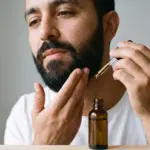
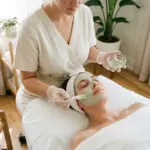
Its oleic and linoleic fatty acids nourish dry skin, help keep it supple and ease the feeling of tightness. It absorbs well and leaves a satin finish.
Services
Catalog
Explore the full catalog1,000+ formulas ready to carry your brandFace careFull range
Serums, creams and targeted care, formulated with your actives.
Hair careFull range
From shampoo to leave-in, for every hair type.
Body careFull range
Moisturizing, nourishing and shower care: cream, butter or oil.
Hammam and naturalFull range
Black soap, argan and authentic Moroccan rituals.
Specialty careFull range
Sun care, lips, intimate care and oral care.
Industries
All solutions by industryFormulas and formats for your businessHospitality and wellness
Brands and creators
Laboratory
 Our factory in Aït MelloulISO 22716 and ISO 9001, visits by appointmentDiscover the factory
Cosmetics manufacturer based in Agadir
500+ brands35+ countries1,000+ formulas
Our factory in Aït Melloul
Up to 3 million units a yearVisits by appointment
Contract manufacturing, step by step
RegulationsCostsProject steps
Join our teams in Agadir
FormulationProductionQualityRegulatorySales
Resources
The argan tree native only to southwestern Morocco.
Its fruit ripens slowly in the Souss sun.
The kernel hidden in a very hard nut, cold-pressed.
The oil the liquid gold of your formulas.
By the Carmel Cosmetics Labs R&D team · updated October 2, 2026
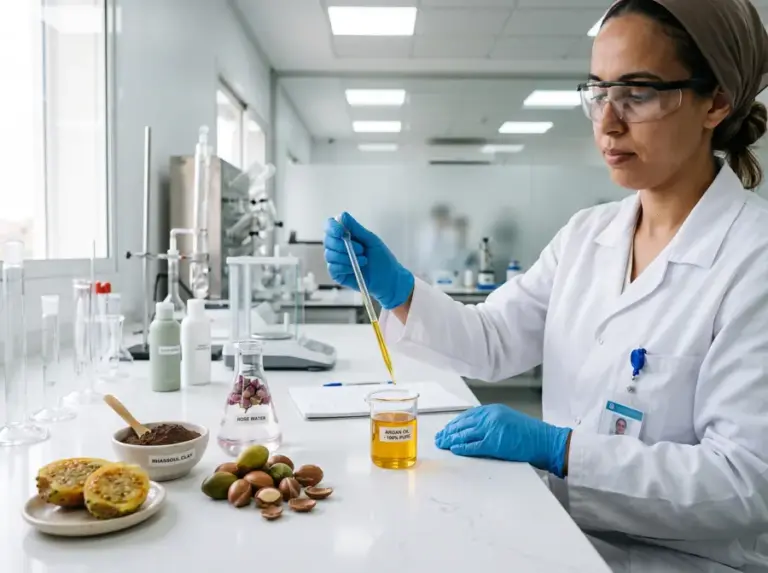
Argan oil is a plant oil pressed from the kernel of the argan tree fruit (Argania spinosa), a tree native only to southwestern Morocco. Rich in unsaturated fatty acids and tocopherols (vitamin E), it is used in cosmetics to nourish and soften the skin and to give hair softness and shine.
Typical average values from the literature. They vary by origin and batch; the certificate of analysis for each batch is the reference.
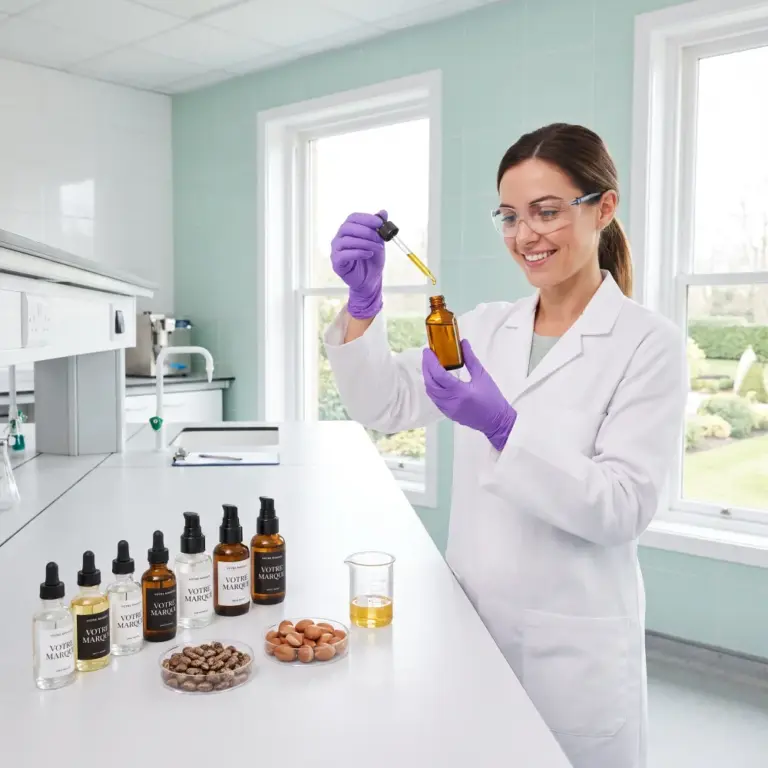
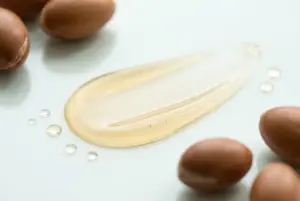
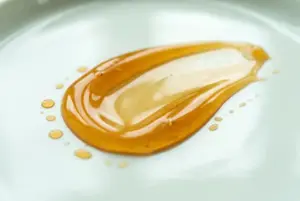
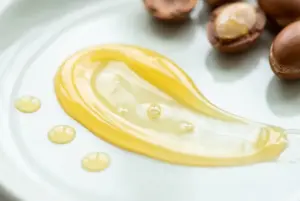
Unroasted kernels, cold-pressed. Golden yellow color, light scent. This is the one in our products.
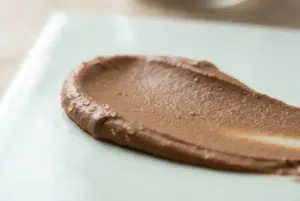
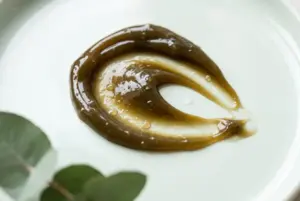
Kernels roasted before pressing. Darker color, nutty taste. It is for eating, not for formulating.
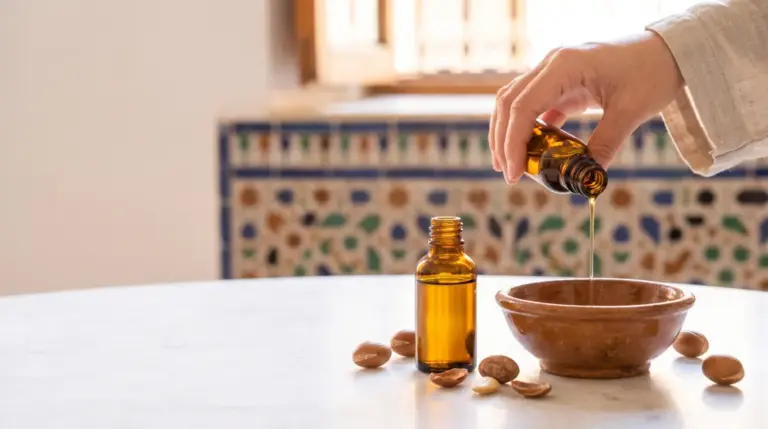
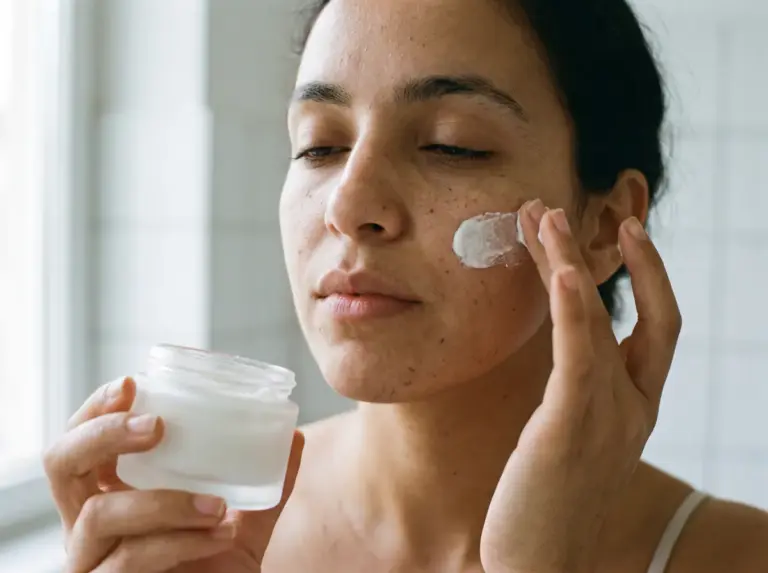
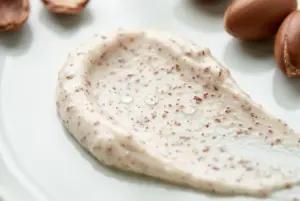
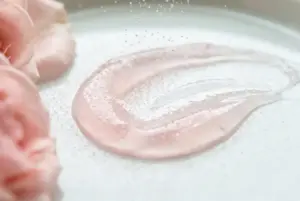
Its oleic and linoleic fatty acids nourish dry skin, help keep it supple and ease the feeling of tightness. It absorbs well and leaves a satin finish.
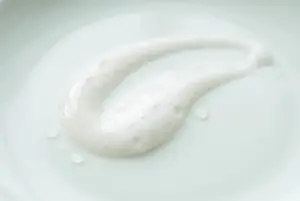
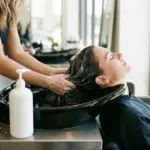
On dry or dull lengths, it coats the hair fiber, reduces the look of damaged ends and adds softness and shine. Used sparingly, it does not weigh hair down.
Naturally rich in tocopherols (vitamin E), antioxidants that help protect the oil phase from oxidation.
A few drops in the evening on clean skin, alone or mixed with your cream.
As a pre-shampoo oil treatment, or a drop on the ends.
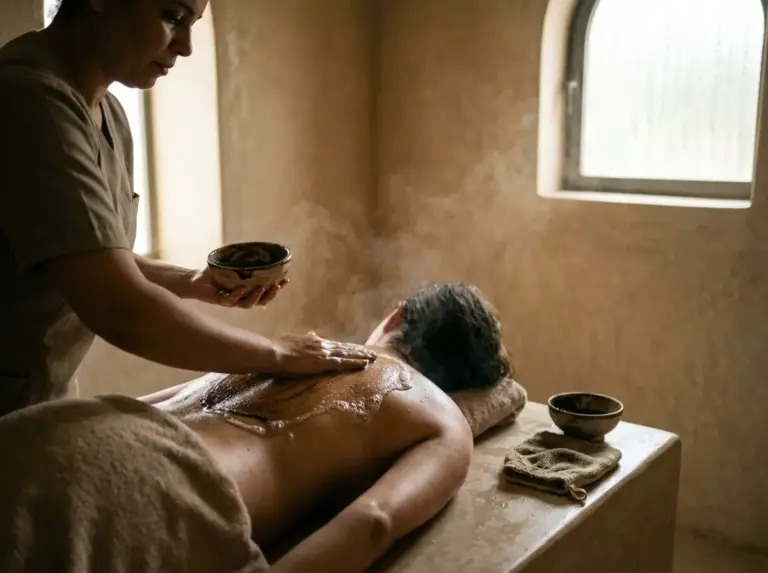
Massaged into still-damp skin after showering.
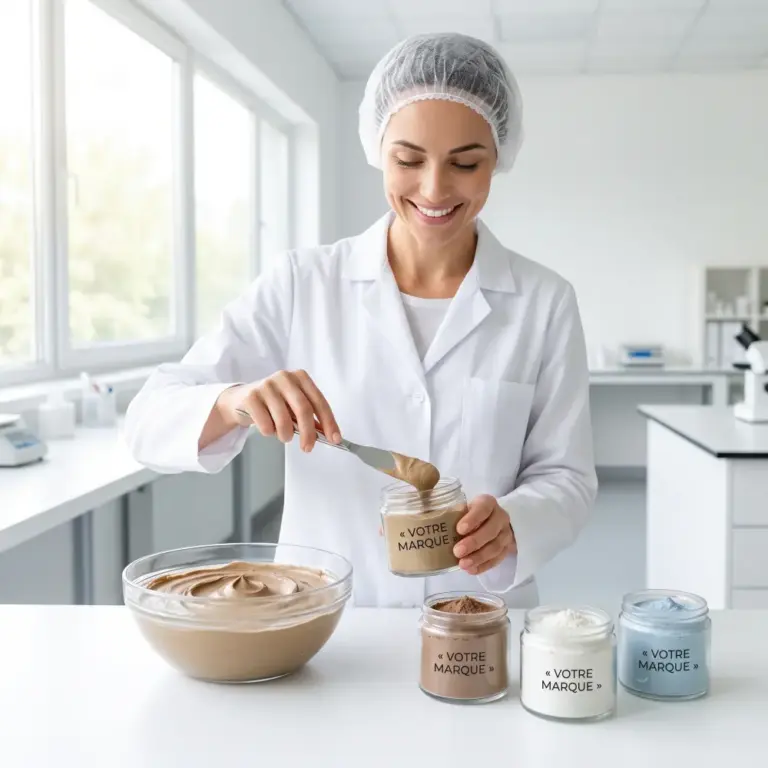
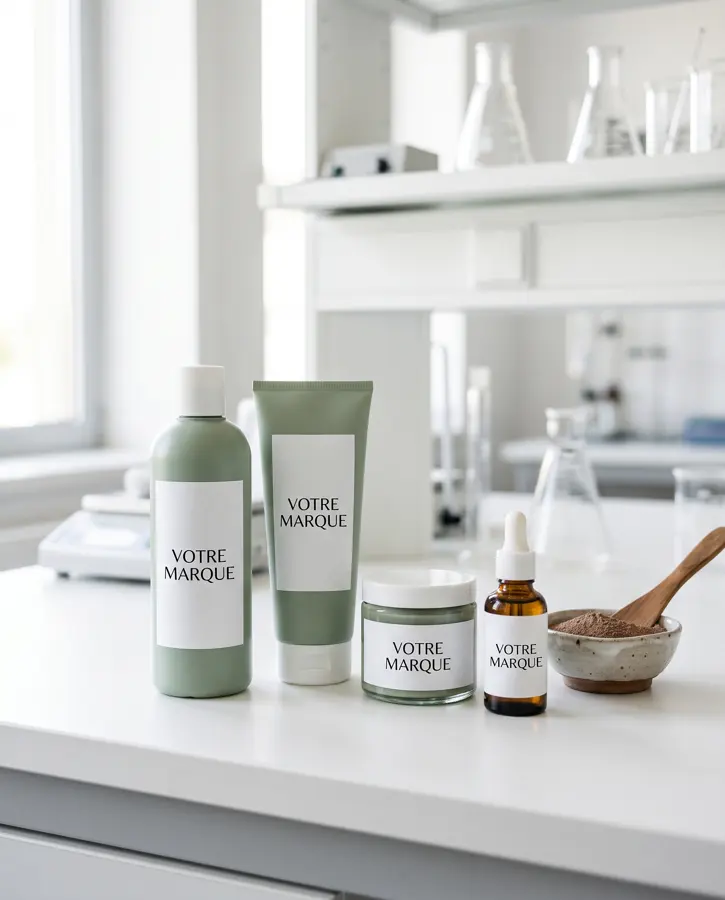
We formulate it a few kilometers from the argan forests, in products ready to carry your brand. Choose a category to see the formulas.
What our formulators consider when argan oil goes into your product.
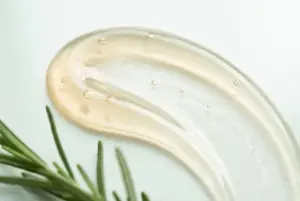
It goes into the oil phase of emulsions, balms and oils, or is used neat as a dry oil.
Rich in unsaturated fatty acids: we pair it with an antioxidant and favor opaque or airless packaging.
For a certified range, we use an organic grade, with supplier documentation.
Its Moroccan origin can be highlighted on the packaging, provided it is documented in the product file.
The argan forest of southwestern Morocco becomes a UNESCO Biosphere Reserve.
Argan-related know-how is added to UNESCO's Intangible Cultural Heritage list.
International Day of Argania, proclaimed by the UN in 2021.
It nourishes dry skin, helps keep it supple and leaves a satin finish with no greasy film. In the evening, a few drops on clean skin are enough, alone or mixed with your cream.
For dry hair, apply as an oil treatment 30 minutes before shampooing, or put a drop on the ends after styling for shine.
Cosmetic oil comes from unroasted, cold-pressed kernels: it is golden and almost odorless. Culinary oil comes from roasted kernels: it is darker, with a nutty taste.
Its INCI list contains a single ingredient: ARGANIA SPINOSA KERNEL OIL. Organic certification and documented Moroccan origin are extra guarantees.
It is a plant oil pressed from the kernel of the argan tree fruit, a tree from southwestern Morocco. In cosmetics, it is used to nourish skin and hair, in creams, masks, hair oils and shampoos.
Its INCI name is ARGANIA SPINOSA KERNEL OIL. This is the name that appears in the ingredient list on the packaging.
Yes. We use it in our white label formulas or in an exclusive private label formula, manufactured in our Aït Melloul factory, in the heart of argan country.
Send your brief: we formulate and manufacture in our ISO 22716 factory in Aït Melloul, in the heart of the Souss. A selection of formulas and a detailed quote, with no commitment.