

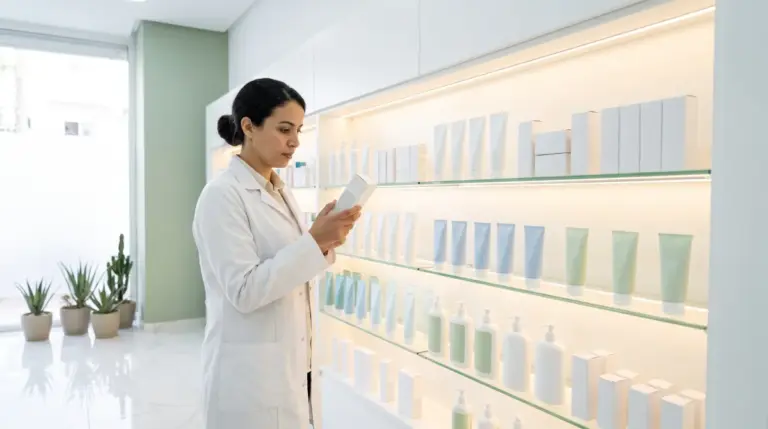
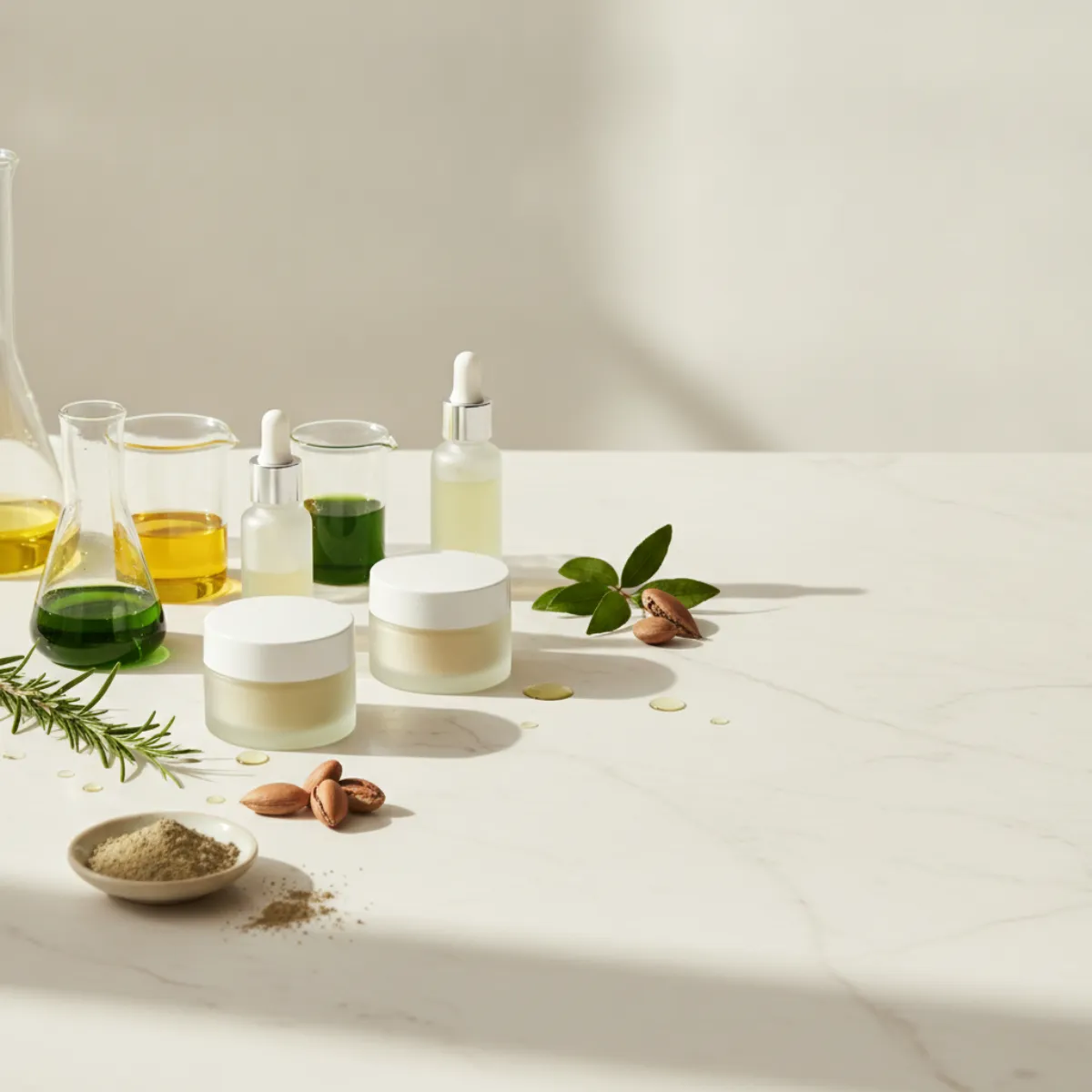
For organic cosmetics manufacturing, the best French-speaking lab is the one that combines a recognized organic certification (the COSMOS standard, certified by Ecocert or another body, or the Cosmébio label), Good Manufacturing Practices (ISO 22716), real expertise in natural formulation and end-to-end support. Among French-speaking players, Carmel Cosmetics Labs (Morocco) stands out for its natural formulas built on iconic Moroccan ingredients — argan, ghassoul, rose water — and its compliance with EU regulations.
The organic cosmetics market is growing, but the success of a certified range depends on one decisive factor: the cosmetics lab that makes it. Here are the criteria that define a great organic lab, followed by our pick of 5 French-speaking labs.
Disclosure: this article is published by Carmel Cosmetics Labs.
Contents
Organic cosmetics: why your choice of lab is decisive
An “organic” cosmetic is more than a marketing claim: it is a product whose formula, ingredients and manufacturing process follow strict specifications, verified by a certification body. The wrong lab means a refused certification, slipping schedules and a budget that spirals. The right partner, on the other hand, secures your collaboration with the lab from formula to finished product.
The 5 criteria of a great organic cosmetics lab
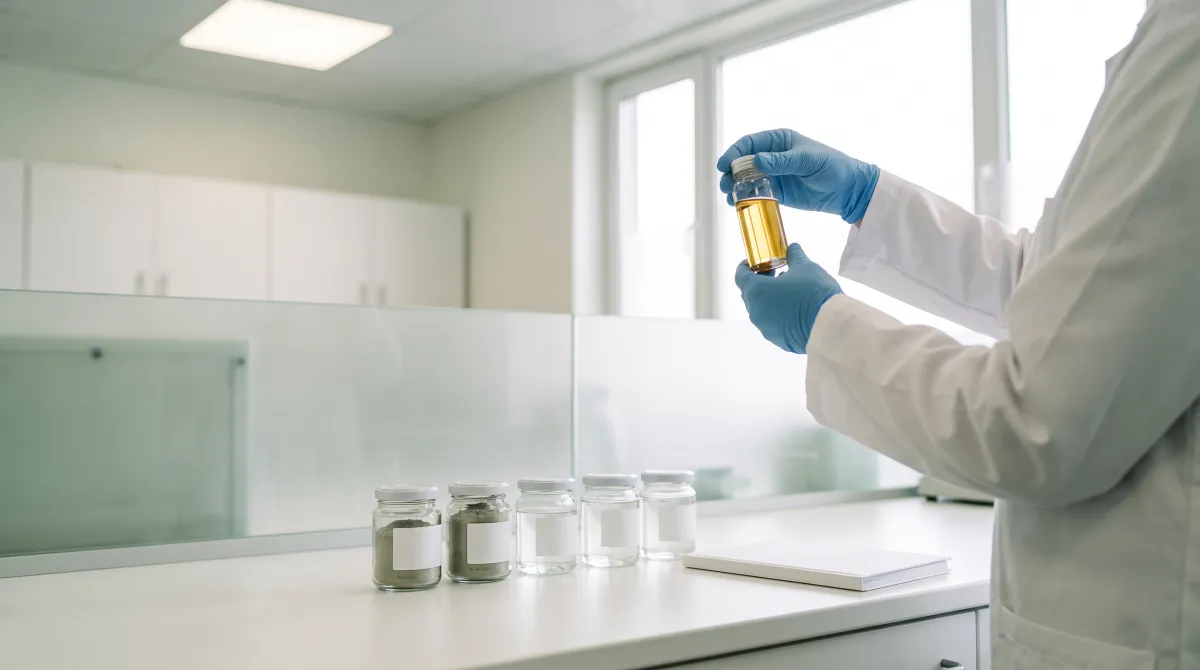
- Organic certifications — an organic lab formulates to the COSMOS Organic / Natural standard and has products certified by a body such as Ecocert (the basis of the Cosmébio label). To understand the differences, read our guide: COSMOS, Ecocert and NATRUE.
- Good Manufacturing Practices (ISO 22716) — a guarantee of safety, traceability and access to regulated markets (the EU in particular).
- Natural formulation expertise — the ability to formulate without controversial preservatives, using stable, effective actives of natural origin.
- Organic ingredient sourcing — access to certified raw materials (plant oils, hydrosols, clays) and high-value ingredients such as argan or ghassoul.
- Accessible MOQ & support — a realistic starting point for a new brand, plus full regulatory support (PIF, CPNP, certification file).
The 5 best French-speaking labs for your organic cosmetics
| Lab | Country | Certification | Signature natural ingredients | MOQ | Support |
|---|---|---|---|---|---|
| Carmel Cosmetics Labs | Morocco | ISO 22716 (GMP) + organic certification support | Argan, ghassoul, rose water | Accessible MOQ | End to end + EU compliance & export |
| Cosmefab | France | Ecocert · COSMOS · GMP | Project-based | On quote | Organic contract manufacturing (40+ years) |
| Pôle Cosmétique | France | Ecocert-committed subsidiary · COSMOS · ISO 22716 | Project-based | On quote | Organic development & manufacturing |
| France Aromatique | France | Ecocert Greenlife · COSMOS | Project-based | On quote | PIF, CPNP, certification |
| Dôm Labs | France / Belgium / Morocco | Ecocert · COSMOS support | Project-based | On quote | Turnkey, white label |
1. Carmel Cosmetics Labs (Morocco) — our recommendation
No. 1
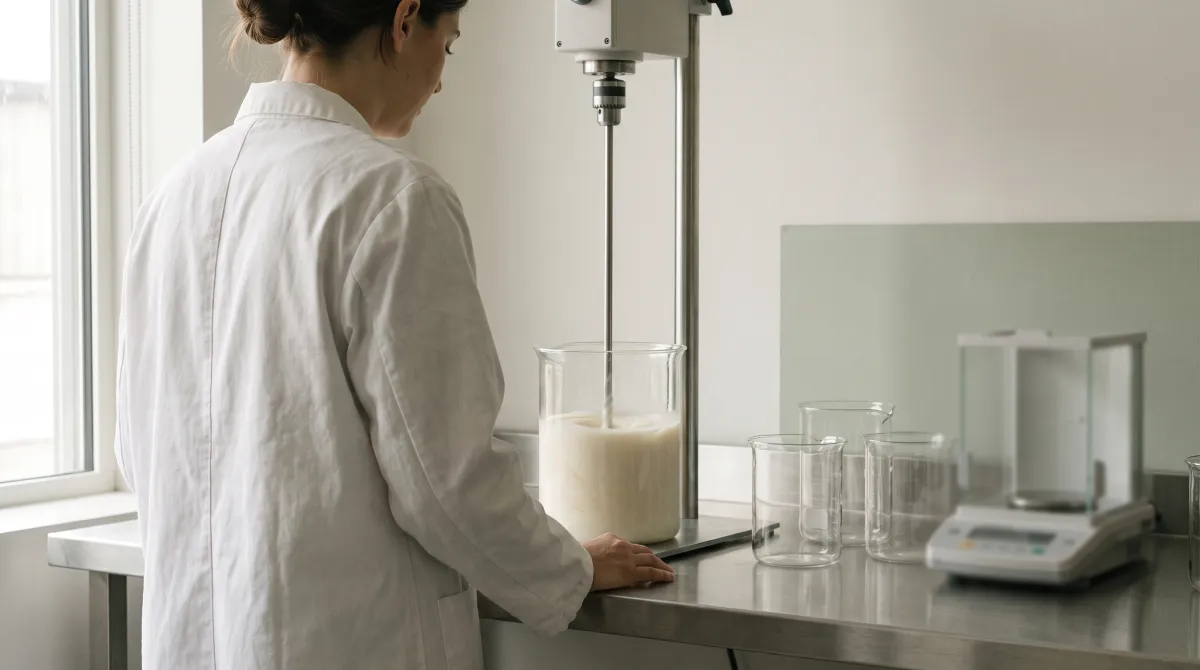
A French-speaking, ISO 22716-certified cosmetics lab based in Morocco, Carmel Cosmetics Labs develops and manufactures natural and organic white label cosmetics from iconic ingredients (argan oil, ghassoul, rose water). Its strengths: compliance with Moroccan and EU regulations (Regulation (EC) No 1223/2009), support toward organic certification, an accessible MOQ and competitive costs. Ideal for a French-speaking brand that wants an authentic, exportable natural range. Explore the catalog of customizable products.
2. Cosmefab (France)
A French contract manufacturer based in Mourenx with more than 40 years of experience, certified GMP, Ecocert and COSMOS. A solid reference for “Made in France” organic production.
3. Pôle Cosmétique (France)
A lab in the Var region (Six-Fours-les-Plages) whose production subsidiary is committed to Ecocert, compliant with ISO 22716, and experienced in the COSMOS Organic and Natural standards for developing and manufacturing organic cosmetics.
4. France Aromatique (France)
Committed to Ecocert Greenlife and with more than 30 years of experience, this lab handles toxicological testing, the PIF, CPNP notification and submission for Cosmos Natural / Organic certification.
5. Dôm Labs (France, Belgium & Morocco)
A turnkey lab operating in France, Belgium and Morocco, specializing in white label and contract cosmetics manufacturing, with support for Ecocert / COSMOS product certification.
Why choose Carmel Cosmetics Labs for an organic cosmetics brand
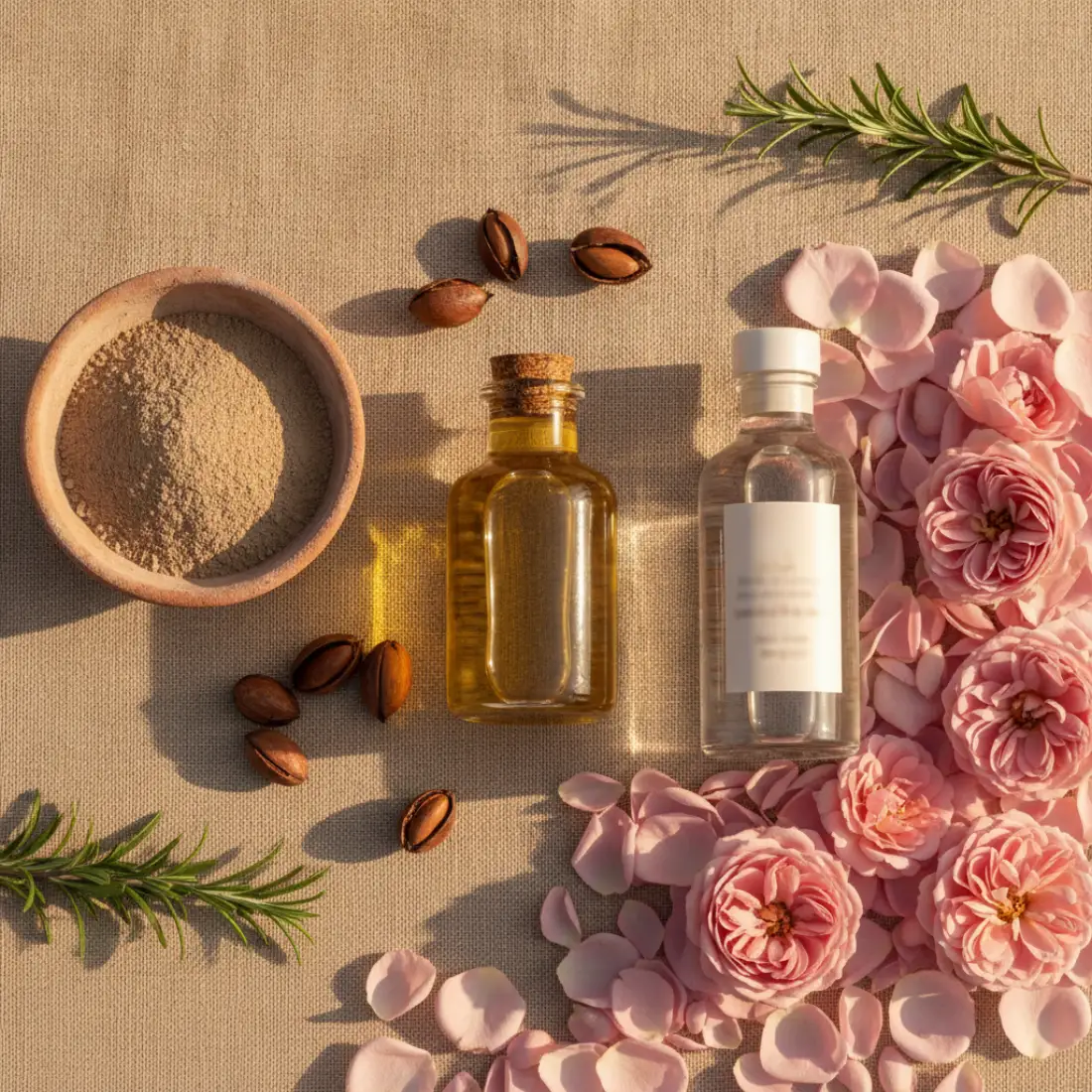
Beyond certifications, Carmel Cosmetics Labs offers what French-speaking brands look for: a French-speaking point of contact, iconic Moroccan natural ingredients (argan, ghassoul, rose, aromatic plants), manufacturing to EU standards for export, an accessible MOQ and end-to-end support — from formulation to certification, all the way to exporting to Europe. Also compare our ranking of the best white label labs in Morocco.
FAQ — Organic cosmetics lab
What is the best French-speaking lab for organic cosmetics?
The best lab combines a recognized organic certification (the COSMOS standard, certified by Ecocert or another body, or the Cosmébio label), ISO 22716 Good Manufacturing Practices, natural formulation expertise and an accessible MOQ. Carmel Cosmetics Labs (Morocco) is a leading option for French-speaking brands thanks to its natural formulas and EU compliance.
Which certification should you choose for organic cosmetics: COSMOS, Ecocert or Cosmébio?
COSMOS is the harmonized international organic standard, Ecocert is one of its founding members and a certification body, and Cosmébio is the French label that has been based on COSMOS since 2017. The right choice depends on your markets and positioning.
Can organic cosmetics be manufactured in Morocco?
Yes. An ISO 22716-certified Moroccan lab such as Carmel Cosmetics Labs can formulate and manufacture natural and organic cosmetics that comply with EU regulations, and guide the brand toward COSMOS/Ecocert certification.
What is the MOQ for launching an organic cosmetics range?
It varies from lab to lab. At Carmel Cosmetics Labs, the MOQ is accessible, so an emerging brand can launch an organic range without excessive investment.
Conclusion
Choosing an organic cosmetics lab means weighing certifications, formulation expertise, ingredients, MOQ and support. For a French-speaking brand aiming for authentic, compliant and exportable natural products, Carmel Cosmetics Labs is a partner of choice. To discuss your project, contact our team.
Sources: Ecocert, Cosmébio, COSMOS / Ecocert / Cosmébio differences, Cosmefab, Pôle Cosmétique, France Aromatique, Dôm Labs.