











































Thicker epidermis after 3 months at 20%
Clinical trialThe thickness of the living epidermis and the glycosaminoglycan content of the dermis increase. The authors describe changes comparable to those seen with glycolic acid and ammonium lactate4.
Services
Catalog
Explore the full catalog1,000+ formulas ready to carry your brandFace careFull range
Serums, creams and targeted care, formulated with your actives.
Hair careFull range
From shampoo to leave-in, for every hair type.
Body careFull range
Moisturizing, nourishing and shower care: cream, butter or oil.
Hammam and naturalFull range
Black soap, argan and authentic Moroccan rituals.
Specialty careFull range
Sun care, lips, intimate care and oral care.
Industries
All solutions by industryFormulas and formats for your businessHospitality and wellness
Brands and creators
Our brands
Our own brands, developed and made in our laboratory.
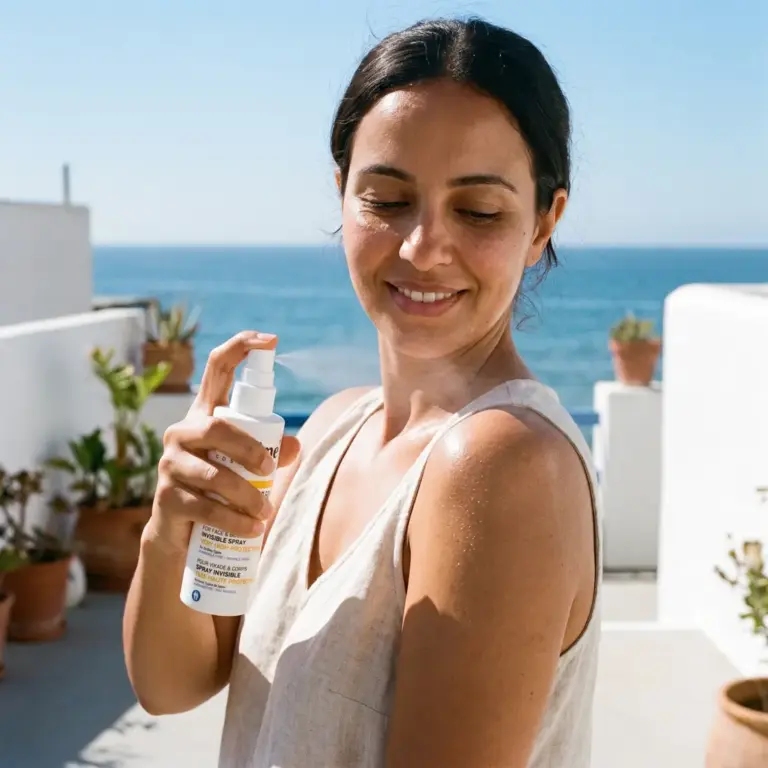
 DermocosmeticsSublime CosmeticsFace, sun and body care for pharmacies and drugstores.Visit the website
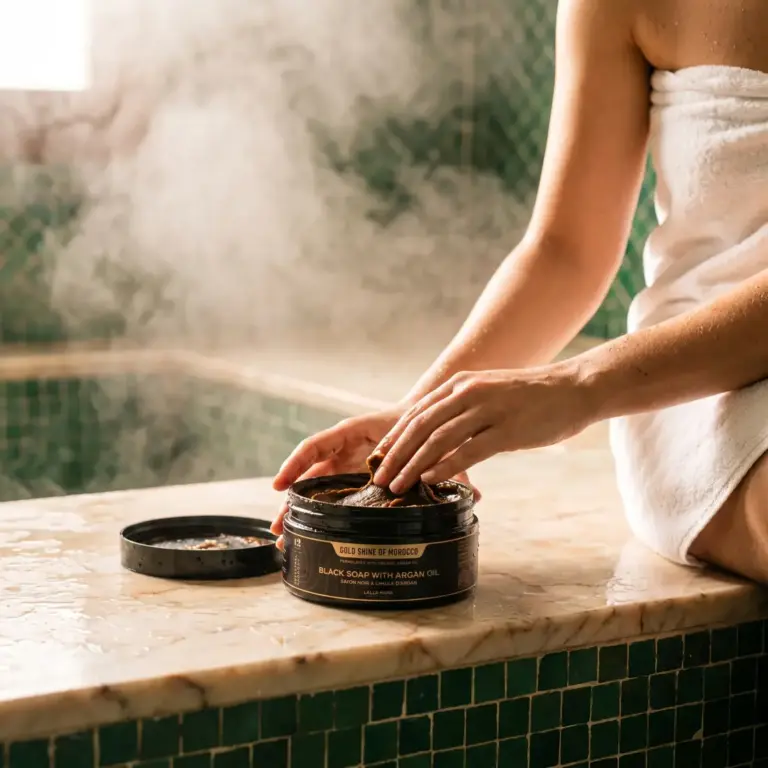
 Hammam and spaLalla MamaMoroccan hammam rituals: black soap, rhassoul, oils and body care.Visit the website
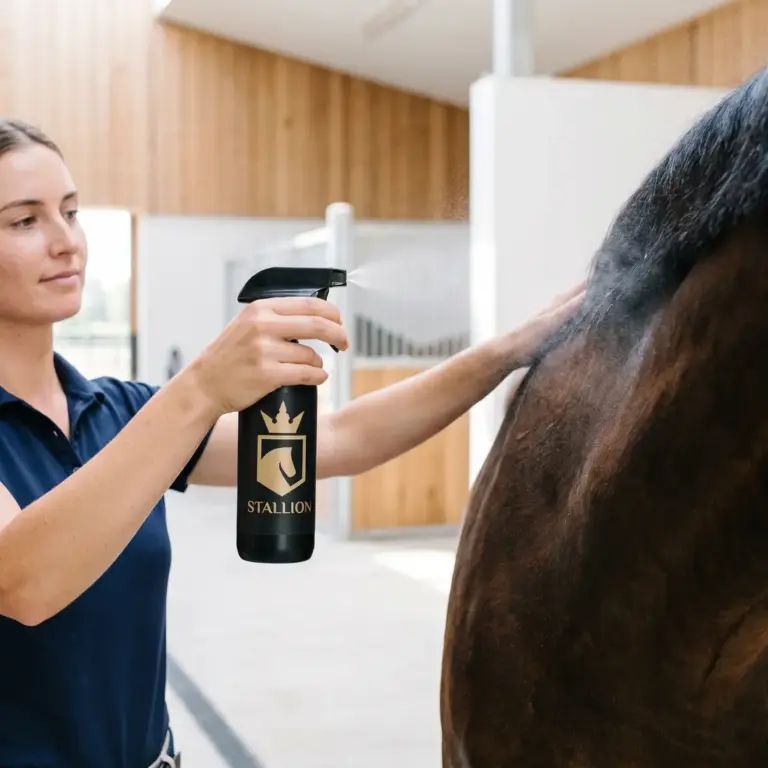
 Equine careStallionGrooming care for horses: mane, coat and hooves.Visit the website
Laboratory
 Our factory in Aït MelloulISO 22716 and ISO 9001, visits by appointmentDiscover the factory
Cosmetics manufacturer based in Agadir
500+ brands35+ countries1,000+ formulas
Our factory in Aït Melloul
Up to 3 million units a yearVisits by appointment
Contract manufacturing, step by step
RegulationsCostsProject steps
Join our teams in Agadir
FormulationProductionQualityRegulatorySales
Resources
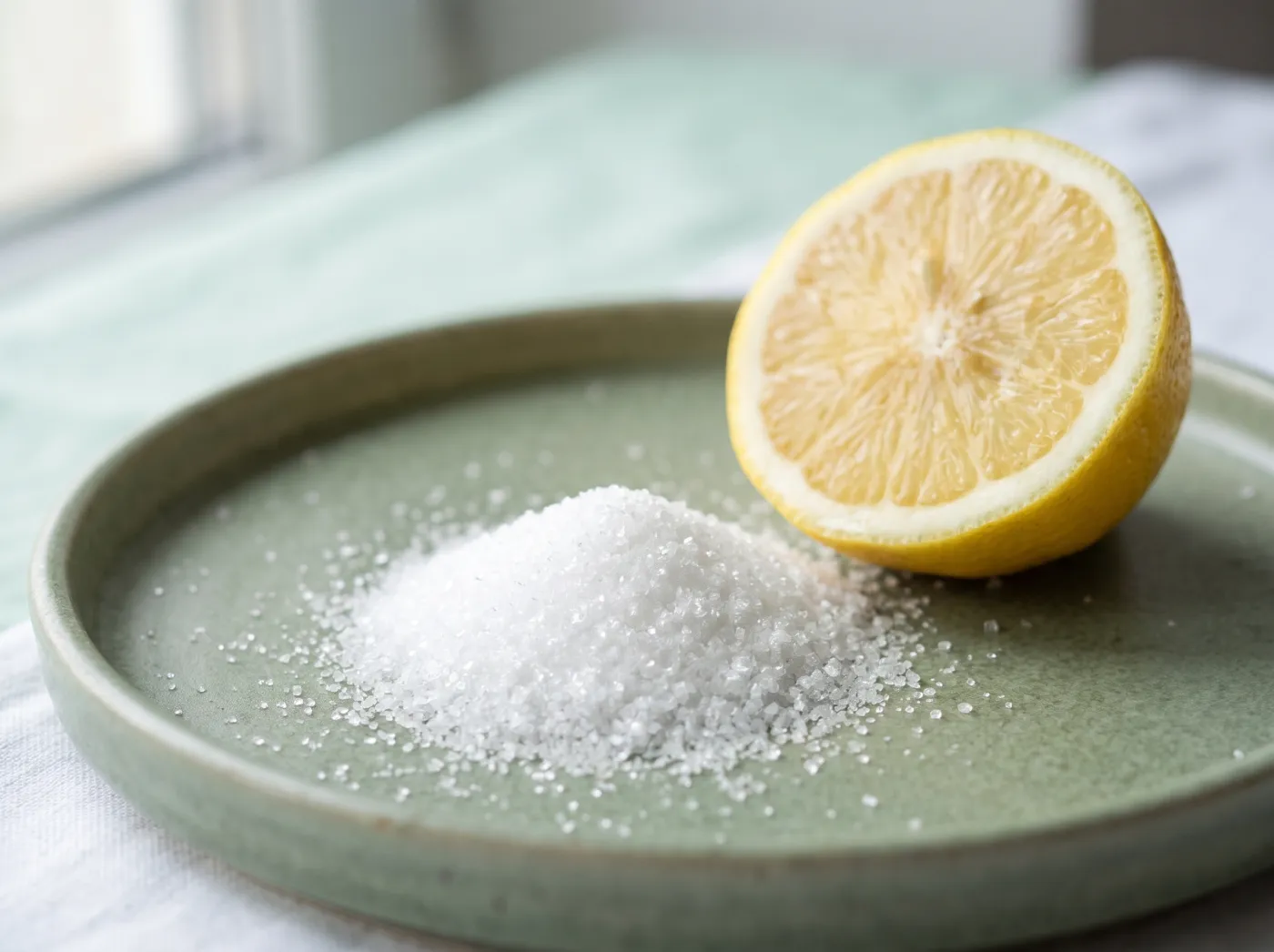
Citric acid is an organic acid used in cosmetics mostly as a pH adjuster and chelating agent1. At high doses it is also an alpha-hydroxy acid (AHA): two older trials tested it at 20 and 25% as an exfoliant45. The CIR panel judges it safe in current uses and concentrations3.
Entry from our cosmetic ingredient glossary. Regulatory data from the European Commission's CosIng database1 and Regulation (EC) 1223/20092, safety according to the CIR expert panel3. Copy the identifiers in one click for your files.
Each result shows the protocol and the level of evidence. The higher the level, the better the result carries over to a finished formula.
The thickness of the living epidermis and the glycosaminoglycan content of the dermis increase. The authors describe changes comparable to those seen with glycolic acid and ammonium lactate4.
Skin thickness increases by about 25%, with a thicker epidermis and a dermis denser in collagen. The study does not separate the effect of each acid5.
Collagen I and procollagen I increase with glycolic, lactic and citric acids, not with acetic acid. Melanin stays more visible with citric and acetic acids than with glycolic and lactic acids, which the authors judge the most useful6.
Surface pH goes from 5.12 to 4.93 after 24 h without product; the authors estimate the natural pH at 4.7. Skin below pH 5 shows better barrier, hydration and desquamation parameters. This benchmark explains why formulas are acidified; the study does not cover citric acid10.
Unlike alkaline soap, synthetic detergents with a pH close to 5.5 do not interfere with the skin flora, which is tied to surface pH11.
The panel describes citric acid as a pH adjuster, chelating agent or fragrance, and concludes that these ingredients are safe in current uses and concentrations. Because citric acid is a food additive recognized as safe in the United States, the assessment focused on skin exposure3.
Products with glycolic and lactic acids are judged safe up to 10%, at a pH of 3.5 or higher and with a formula or instructions that protect from the sun. These ceilings target those two acids: the FDA lists citric acid among the other AHAs without giving it a figure9.
In volunteers, applying AHAs increases sensitivity to UV-induced redness by 18% after 4 weeks, reversibly9. The Kornhauser review stresses the safety of prolonged use on exposed skin and notes that the mechanisms of action remain to be clarified7.
According to this review, the European scientific committee recommends up to 4% and a pH of 3.8 or higher for glycolic acid, 2.5% and a pH of 5 or higher for lactic acid. The optimal concentration remains poorly defined8.
This page summarizes published literature on a cosmetic ingredient. It does not describe the effect of a finished product, which depends on its formula, and it is not medical advice. Some of the studies cited were run or funded by manufacturers; this is stated in the sources. Citric acid is studied almost only as an exfoliating AHA, a minority use: its main role, adjusting pH, is the subject of no trial that isolates it.
No formula in our white label catalog features citric acid yet. Our formulation lab can add it to a custom formula or to a catalog formula. Its common uses:
pH adjuster in serums, toners, cleansers and creams, chelating agent for trace metals.
pH adjustment of shower gels, body lotions and creams.
pH adjustment of shampoos and conditioners.
Four alpha-hydroxy acids. Citric acid is mainly a pH adjuster; the other three are chosen as exfoliants. Each has its own detailed page.
| Citric acid | Glycolic acid | Lactic acid | Mandelic acid | |
|---|---|---|---|---|
| Main role | pH adjuster and chelating agent1 | AHA exfoliant, also a buffer in CosIng | Exfoliant and humectant | AHA exfoliant with a benzene ring |
| What the studies show | Thicker epidermis at 20%4; pigment more visible than with glycolic acid6 | Less pigment visible than with citric acid6 | Less pigment visible than with citric acid6 | See the mandelic acid page |
| EU regulation | No restriction for the acid alone12 | No restriction in the annexes. Benchmark: 4%, pH 3.8 or higher8 | No restriction in the annexes. Benchmark: 2.5%, pH 5 or higher8 | No restriction, no numeric benchmark |
| Expert opinion | CIR panel: safe in current uses3 | CIR panel: 10% maximum, pH 3.5 or higher9 | CIR panel: 10% maximum, pH 3.5 or higher9 | No dedicated opinion, see the page |
| Sun | Precaution of the AHA family at exfoliating doses9 | Increased UV sensitivity during use9 | Sun protection recommended with AHAs9 | Sun protection recommended with AHAs9 |
Peer-reviewed studies and official regulatory sources, checked on November 3, 2026.

A product specialist reviews your request and gets back to you on the channel you prefer.