For the face
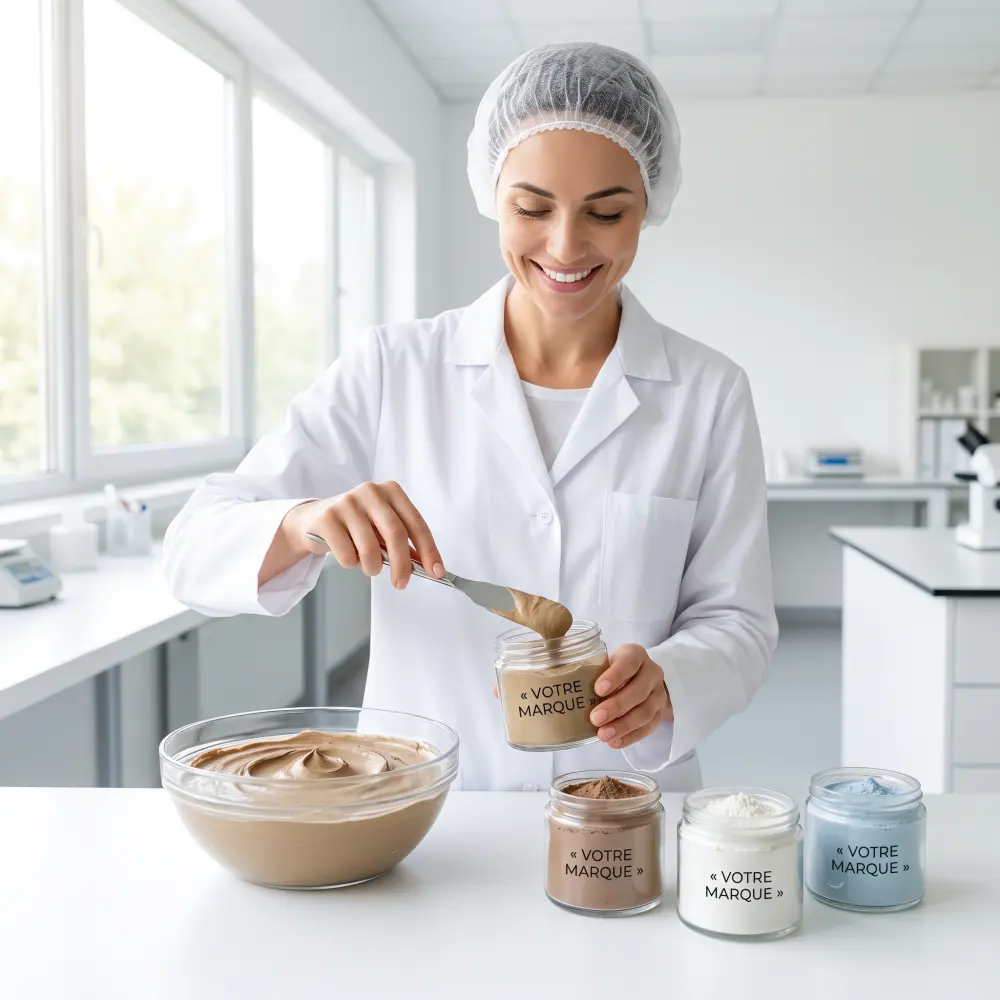
Mixed into a paste, the powder cleanses the skin gently: its very fine grain helps remove impurities and leaves the skin soft and clean.
Services
Catalog
Explore the full catalog1,000+ formulas ready to carry your brandFace careFull range
Serums, creams and targeted care, formulated with your actives.
Hair careFull range
From shampoo to leave-in, for every hair type.
Body careFull range
Moisturizing, nourishing and shower care: cream, butter or oil.
Hammam and naturalFull range
Black soap, argan and authentic Moroccan rituals.
Specialty careFull range
Sun care, lips, intimate care and oral care.
Industries
All solutions by industryFormulas and formats for your businessHospitality and wellness
Brands and creators
Our brands
Our own brands, developed and made in our laboratory.
 DermocosmeticsSublime CosmeticsFace, sun and body care for pharmacies and drugstores.Visit the website
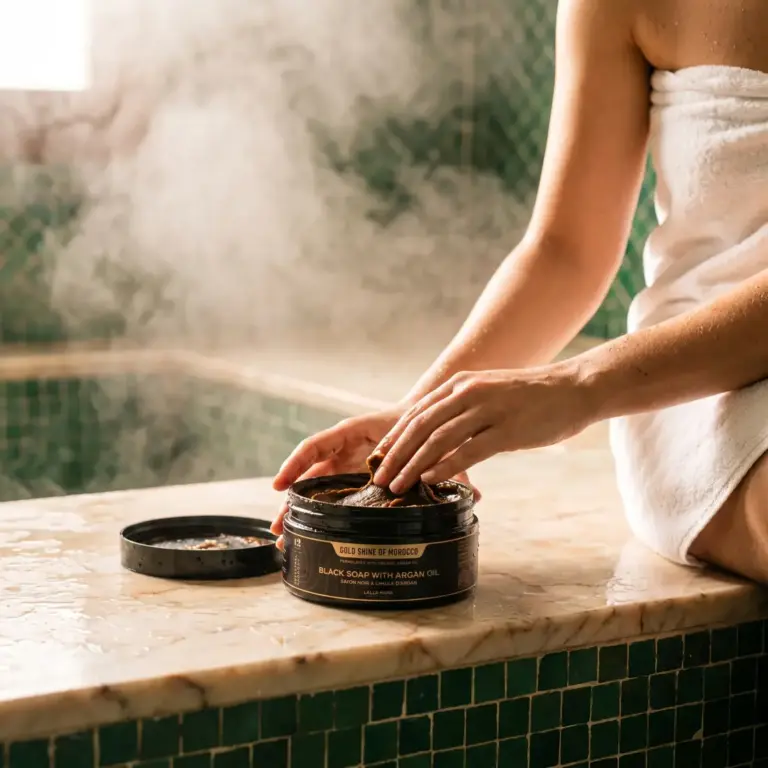
 Hammam and spaLalla MamaMoroccan hammam rituals: black soap, rhassoul, oils and body care.Visit the website
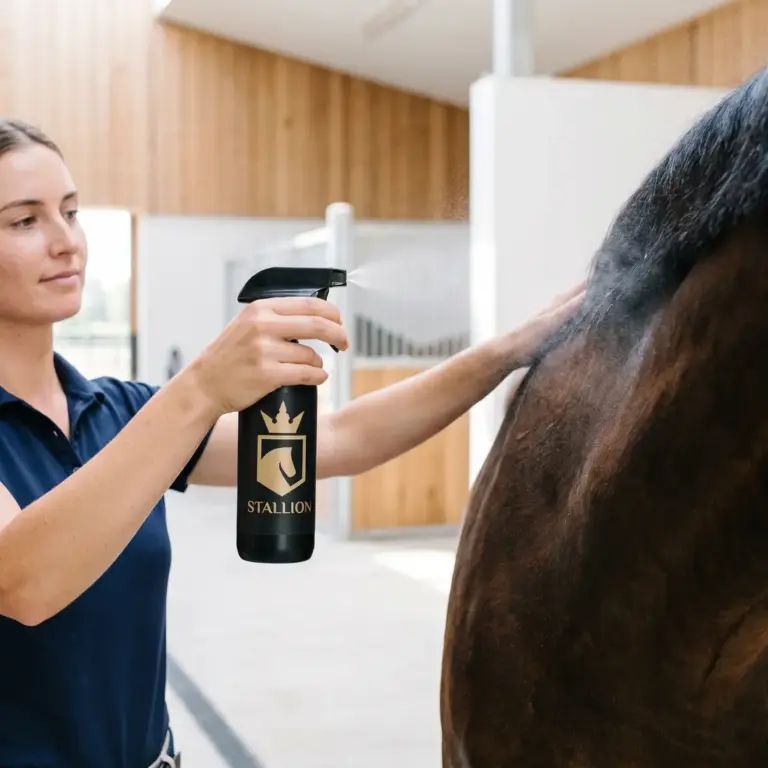
 Equine careStallionGrooming care for horses: mane, coat and hooves.Visit the website
Laboratory
 Our factory in Aït MelloulISO 22716 and ISO 9001, visits by appointmentDiscover the factory
Cosmetics manufacturer based in Agadir
500+ brands35+ countries1,000+ formulas
Our factory in Aït Melloul
Up to 3 million units a yearVisits by appointment
Contract manufacturing, step by step
RegulationsCostsProject steps
Join our teams in Agadir
FormulationProductionQualityRegulatorySales
Resources
The plant a legume cultivated for about 7,500 years.
The pod swollen, it shelters the seeds.
The seed the dried chickpea, ground into a soft, blond powder.
The mask the powder mixed with rose water or honey.
By the Carmel Cosmetics Labs R&D team · updated October 18, 2026
Chickpea powder is the seed of Cicer arietinum, a legume, dried then ground into a fine flour. In cosmetics, it is declared as CICER ARIETINUM SEED POWDER and the CosIng database assigns it an abrasive function: a very gentle grain that helps cleanse the skin. Rich in starch and protein, it gives hold to mask pastes. In Morocco, herbalists cite it as a powder applied as a face mask.
The whole seed, ground, declared as CICER ARIETINUM SEED POWDER. It serves as a mask base and a gentle grain for face scrubs.
An extract of the seed, declared as CICER ARIETINUM SEED EXTRACT, which CosIng classes as a skin and hair conditioning agent. It is used in creams or shampoos, not as a powder.
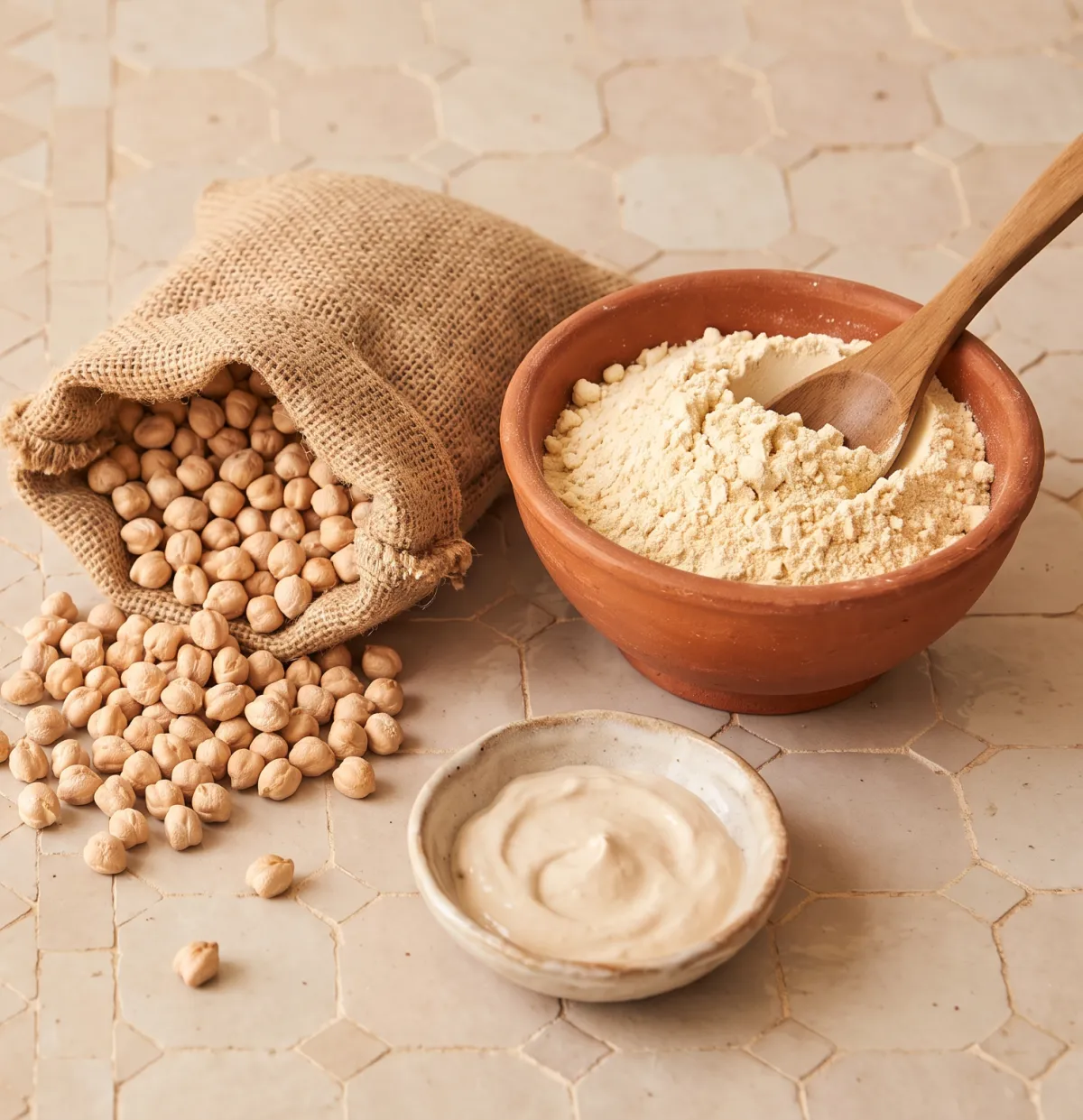
Mixed into a paste, the powder cleanses the skin gently: its very fine grain helps remove impurities and leaves the skin soft and clean.
Rich in starch and protein, it thickens masks and gives them a creamy hold, easy to spread and rinse.
A simple, plant-based ingredient known to everyone, cited in Moroccan beauty recipes: it speaks to brands that want a short, readable ingredient list.
Two spoonfuls of powder mixed with rose water or honey, applied in a thin layer, then rinsed with lukewarm water after a few minutes.
Wet, the paste is gently massaged in small circles before rinsing, for a very mild face scrub.
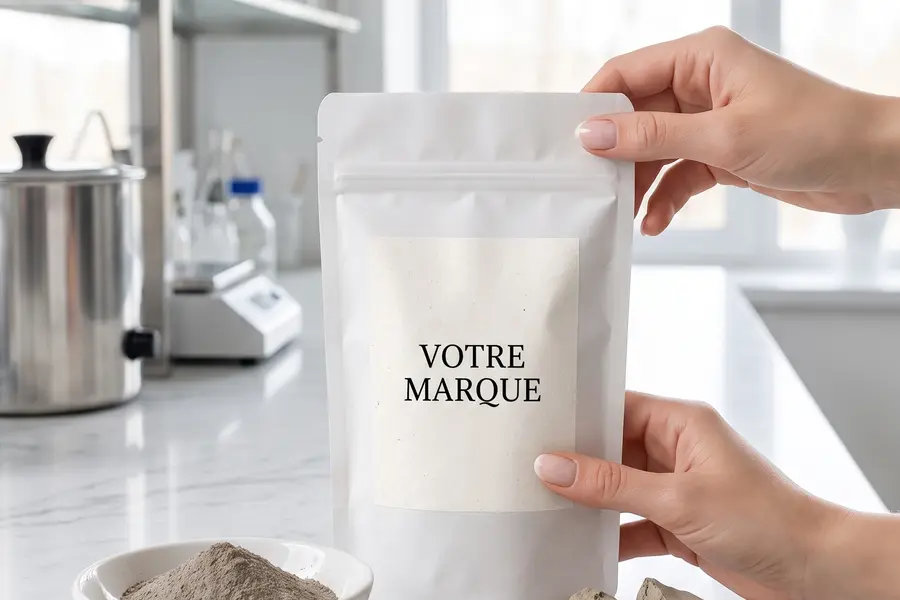
Sold as a ready-to-mix powder, it is prepared at the time of use, avoiding the eye area.
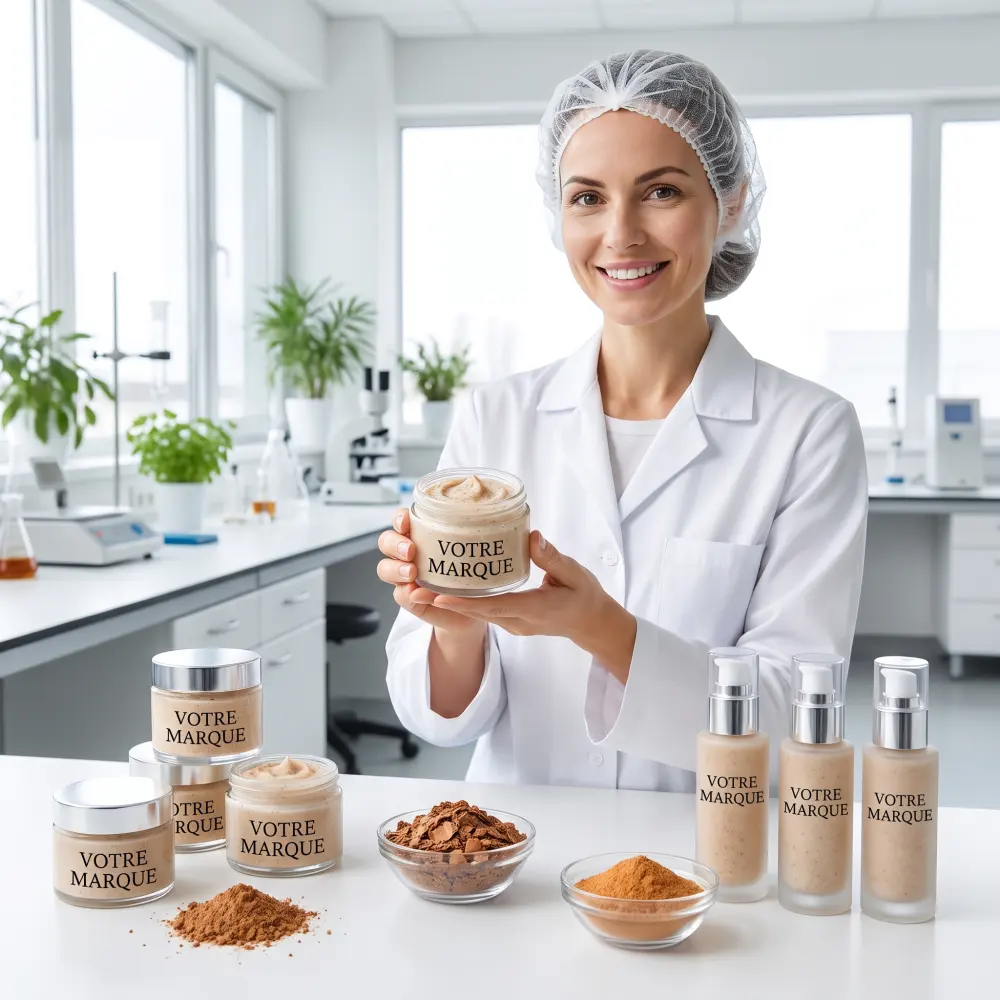
We build it into face masks, gentle scrubs and mix-it-yourself powders ready to carry your brand. Choose a category to see our formulas.
What our formulators take into account when chickpea goes into your product.
Often paired with
We choose a finely sifted powder, for a soft grain and a smooth, lump-free paste.
A raw plant material, it is checked on receipt. Dry, the powder keeps well; once mixed, the paste is prepared at the time of use.
Chickpea is a legume: its presence is clearly indicated, and we advise a test on a small area before first use.
Ethnobotanical surveys also cite traditional uses for blemishes: we keep them as tradition and write your claims within the cosmetic framework, cleanse and soften.
In the Fès-Meknès region, herbalists call chickpea lhemmes and cite it as a powder, applied as a mask.
Chickpea has been cultivated for about 7,500 years in the Middle East.
Two main types are distinguished: kabuli, with a light, smooth seed, and desi, with a more angular, colored seed, which covers 80 to 85% of cultivated areas.
Yes, as a mask base: mixed into a paste, chickpea flour cleanses the skin gently thanks to its very fine grain and leaves it soft. The CosIng database assigns it an abrasive function. It does not replace a moisturizing care: apply your usual cream afterward.
Mix two spoonfuls of powder with rose water or honey until you get a smooth paste. Apply in a thin layer on clean face, avoiding the eye area, leave for a few minutes before the paste dries, then rinse with lukewarm water.
Honey and rose water mix the powder into a smooth paste. Carob and cinnamon bring a delicious note, with cinnamon to be dosed carefully. Panthenol or centella complete the formula for skin that feels soft and comfortable after rinsing.
Chickpea powder is a very gentle exfoliant: CosIng classes it as an abrasive, like other fine plant powders. Massaged on damp skin, it helps remove impurities. For a stronger scrub, it is combined with a powder with a coarser grain, such as argan shell.
Yes. A survey of 70 herbalists in the Fès-Meknès region cites chickpea, called lhemmes, as a powder applied as a face mask. The other uses recorded, on blemishes or spots, belong to tradition and not to a cosmetic promise.
Yes. Carmel Cosmetics Labs builds chickpea into face masks, gentle scrubs and mix-it-yourself powders in white label, or into an exclusive private label formula, made in our ISO 22716 factory in Aït Melloul, Morocco. We support you from choosing the formula through to packaging with your brand.
Send your brief: we formulate and manufacture your chickpea masks and powders in our ISO 22716 factory in Aït Melloul. Free consultation and a selection of formulas, no commitment.