For hair
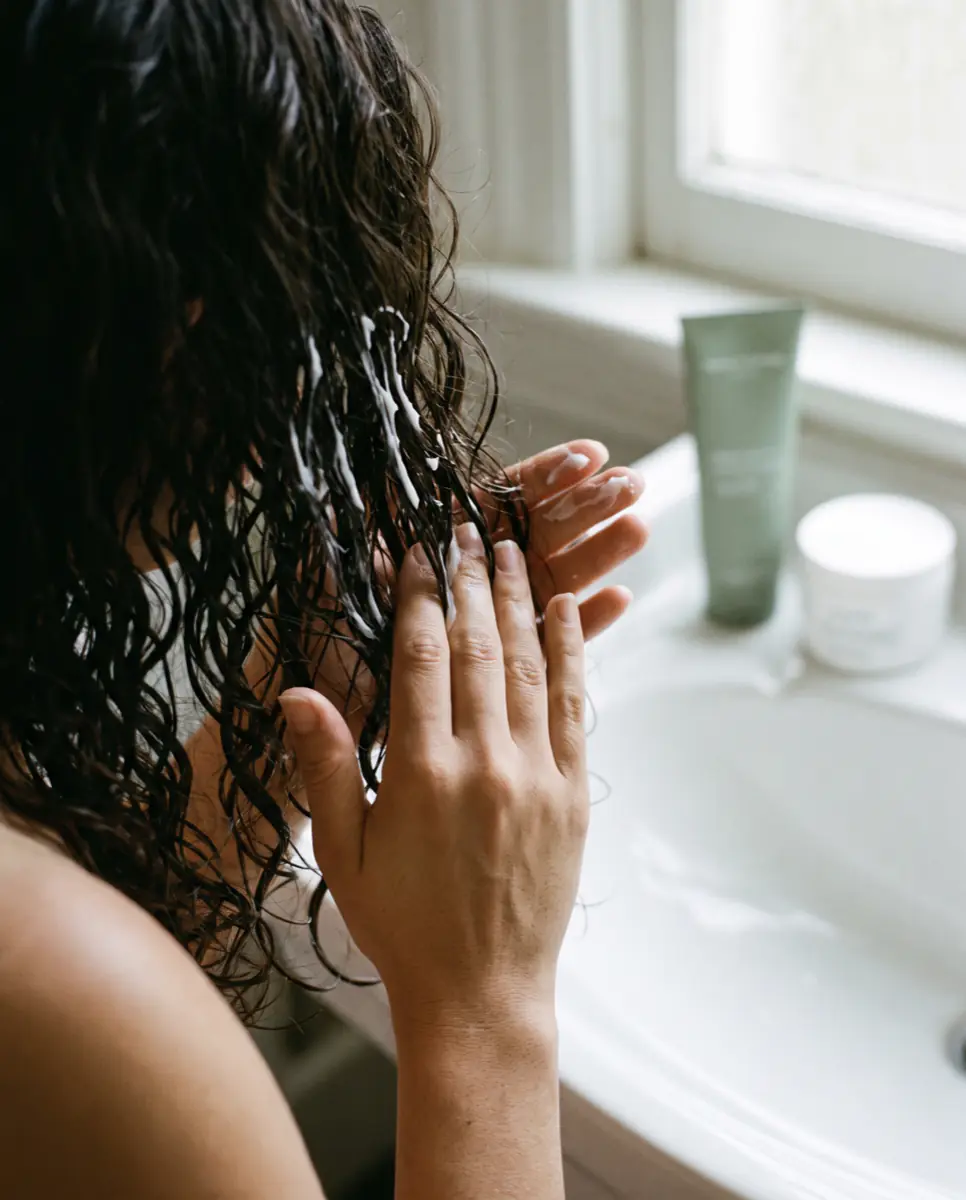
In a shampoo or mask, carob extract supports the cleansing base and detangling agents: the formula cleanses the scalp and leaves lengths soft and easy to style.
Services
Catalog
Explore the full catalog1,000+ formulas ready to carry your brandFace careFull range
Serums, creams and targeted care, formulated with your actives.
Hair careFull range
From shampoo to leave-in, for every hair type.
Body careFull range
Moisturizing, nourishing and shower care: cream, butter or oil.
Hammam and naturalFull range
Black soap, argan and authentic Moroccan rituals.
Specialty careFull range
Sun care, lips, intimate care and oral care.
Industries
All solutions by industryFormulas and formats for your businessHospitality and wellness
Brands and creators
Our brands
Our own brands, developed and made in our laboratory.

 DermocosmeticsSublime CosmeticsFace, sun and body care for pharmacies and drugstores.Visit the website

 Hammam and spaLalla MamaMoroccan hammam rituals: black soap, rhassoul, oils and body care.Visit the website

 Equine careStallionGrooming care for horses: mane, coat and hooves.Visit the website
Laboratory
 Our factory in Aït MelloulISO 22716 and ISO 9001, visits by appointmentDiscover the factory
Cosmetics manufacturer based in Agadir
500+ brands35+ countries1,000+ formulas
Our factory in Aït Melloul
Up to 3 million units a yearVisits by appointment
Contract manufacturing, step by step
RegulationsCostsProject steps
Join our teams in Agadir
FormulationProductionQualityRegulatorySales
Resources
The carob tree an evergreen tree, grown mainly in the Rif and the Atlas.
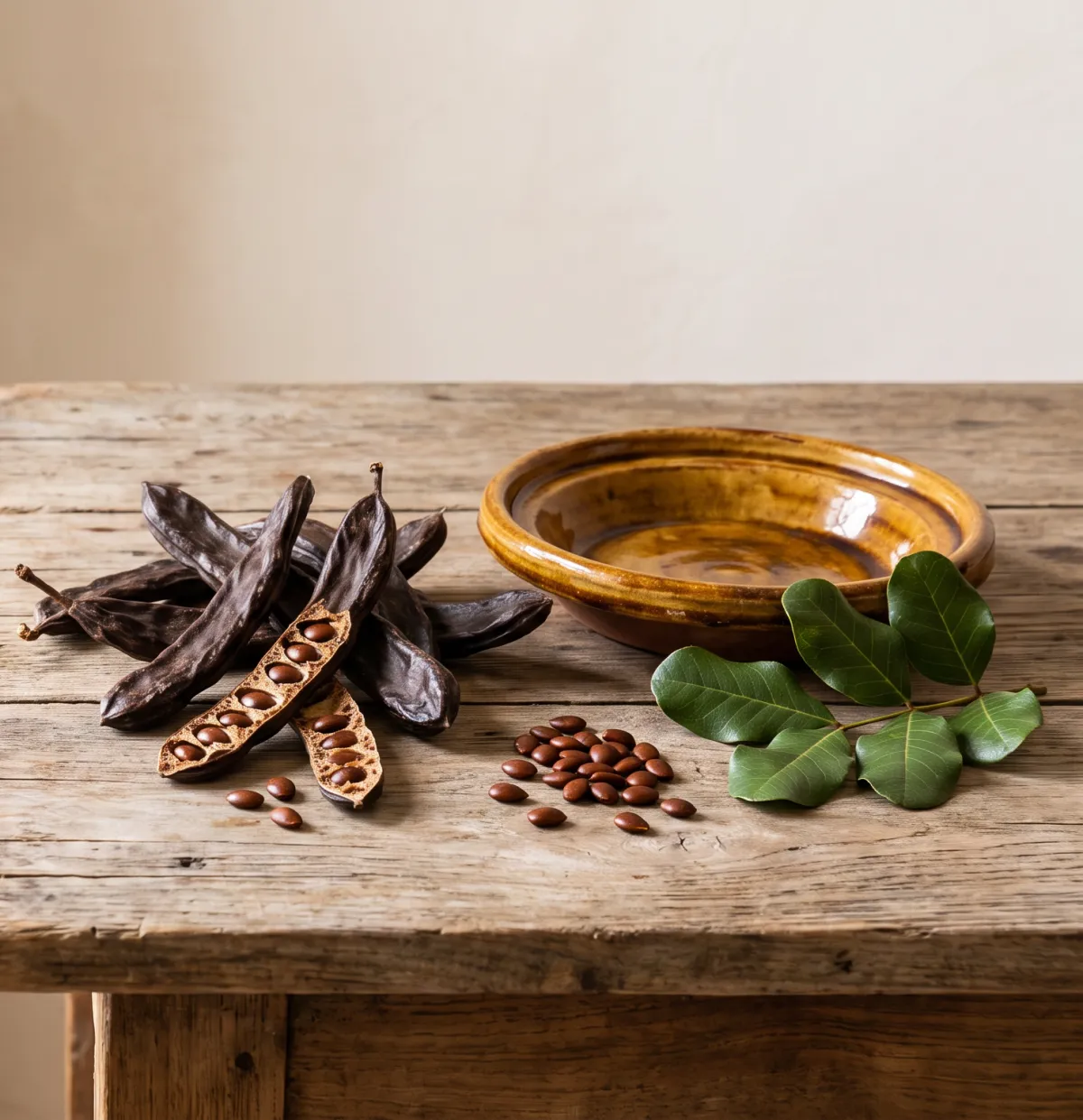
The pod the brown fruit of the carob tree, ripened in the Mediterranean sun.
Pulp and seeds a sugar-rich pulp around a few hard seeds.
The extract drawn from the fruit, for shampoos, masks and care products.
By the Carmel Cosmetics Labs R&D team · updated October 18, 2026
Carob is the fruit of the carob tree (Ceratonia siliqua), an evergreen tree of dry Mediterranean environments. Its brown pod is made up mostly of pulp, rich in sugars and tannins, and a few hard seeds. In cosmetics, an extract of the fruit is used, declared as CERATONIA SILIQUA FRUIT EXTRACT, which the CosIng database classifies as a skin conditioning agent and perfuming ingredient. Morocco is among the main producing countries.
An extract of the pod, declared as CERATONIA SILIQUA FRUIT EXTRACT. This is the form used in our shampoos and care products: a plant-based active that CosIng classifies as a skin conditioning agent.
Drawn from the endosperm of the seeds, it is declared as CERATONIA SILIQUA GUM. It is a thickener and texture stabilizer, used in food as well as in cosmetics.
The dried, ground pulp, used in cooking as a flour or a natural sweetener. It is not the same raw material as a standardized cosmetic extract.
In a shampoo or mask, carob extract supports the cleansing base and detangling agents: the formula cleanses the scalp and leaves lengths soft and easy to style.
In a cream or serum, the extract goes into moisturizing care. The CosIng database lists a skin conditioning function for it: it helps keep skin in good condition.
Its pulp is rich in sugars, mainly sucrose, and in condensed tannins. The extract brings a Mediterranean and Moroccan origin that is easy to tell, on an ingredient everyone knows.
Shampoo applied to wet hair, massaged into the scalp, then rinsed. A second application is possible on very heavily coated hair.
Applied in a generous layer on towel-dried hair, from the lengths to the ends, left on for a few minutes, then rinsed.
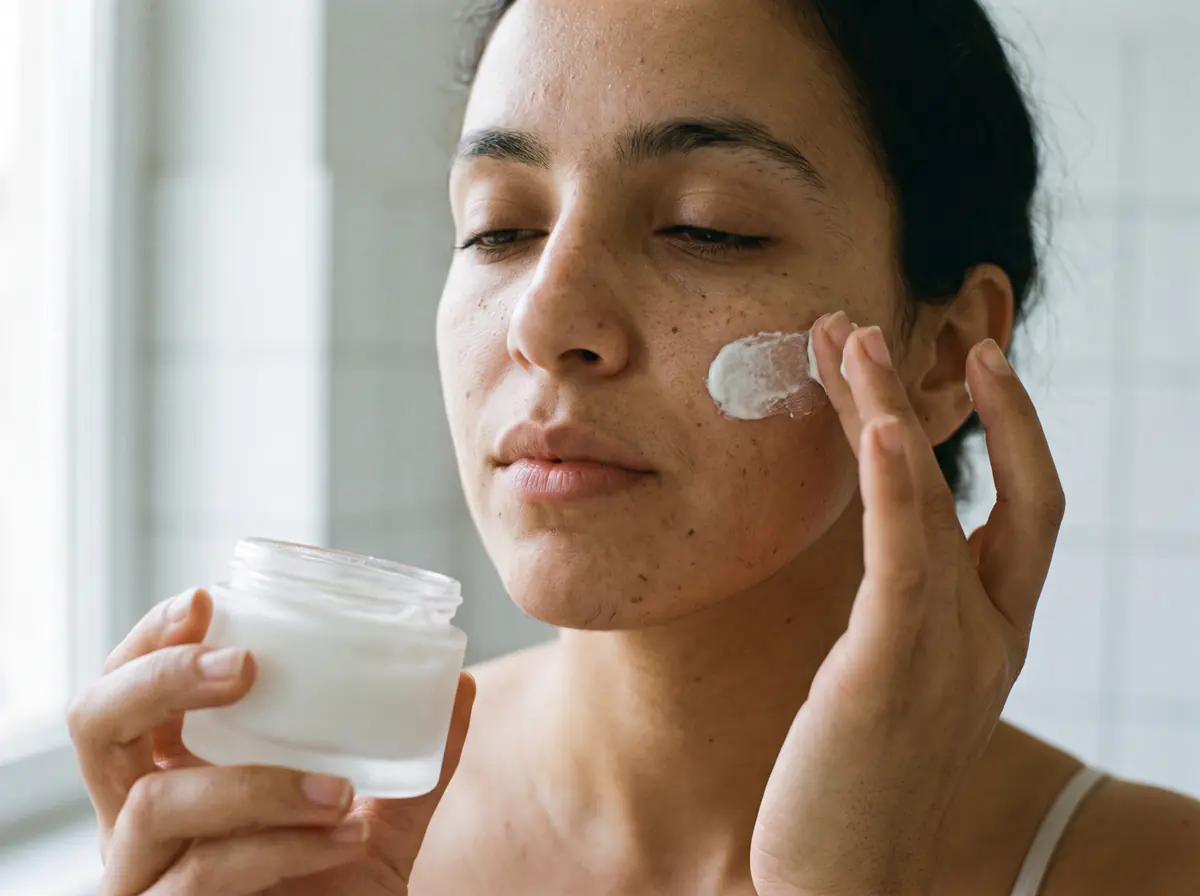
Cream or serum applied morning and evening on clean skin, with light movements from the center of the face outward.
We add it mostly to shampoos and hair masks, but also to face creams and serums ready to carry your brand. Pick a category to see our formulas.
What our formulators take into account when carob goes into your product.
Often paired with
We work with a fruit extract backed by a technical data sheet, for a consistent color and smell from one batch to the next.
Carob has several INCI names. The list shows CERATONIA SILIQUA FRUIT EXTRACT for the pod extract, and CERATONIA SILIQUA GUM only if the gum is also in the formula.
In a shampoo, we check the extract's compatibility with the cleansing base, the viscosity, the pH and color stability over aging.
Traditional uses of carob belong to food and folk medicine. We write your claims within the cosmetic frame: cleanse, moisturize, soften.
In Morocco, the carob tree is mainly grown in the Rif and the Atlas, integrated into traditional agroforestry systems.
The pulp accounts for 80 to 90% of the pod's weight; the seeds make up only 10 to 25%, but they are what give carob gum.
About 400,000 tonnes of carob pods are produced every year worldwide, mostly around the Mediterranean.
It is the fruit of the carob tree (Ceratonia siliqua), a Mediterranean tree. Its brown pod contains a sweet pulp and hard seeds. It is known in cooking as a flour or syrup; in cosmetics, an extract of the fruit is used, declared as CERATONIA SILIQUA FRUIT EXTRACT.
Carob extract is classified by the CosIng database as a skin conditioning agent and perfuming ingredient. In a shampoo, cream or serum, it supports the ingredients that cleanse, moisturize and soften, and it brings a Mediterranean origin that is easy to tell.
Carob goes mostly into our shampoos and hair masks. The extract supports the cleansing and detangling agents that cleanse the scalp and soften the lengths. We attribute no effect on hair loss or growth to it: that would be a claim outside the cosmetic frame.
The extract comes from the pod and serves as a skin conditioning active. The gum comes from the endosperm of the seeds: it is a thickener and texture stabilizer, declared as CERATONIA SILIQUA GUM. Two materials, two roles and two different INCI names on the label.
The carob tree grows in dry Mediterranean environments. In Morocco, it is mainly grown in the Rif and the Atlas, often in agroforestry. Morocco is among the main producing countries, along with Spain, Italy and Portugal. The precise origin of a batch depends on the supplier and its certificates.
Yes. We add it to white label shampoos, hair masks, face creams and serums, or to an exclusive private label formula, made in our ISO 22716 factory in Aït Melloul, Morocco. We support you from formula selection through to packaging under your brand.
Send your brief: we formulate and manufacture your carob shampoos and care products in our ISO 22716 factory in Aït Melloul. Free consultation and formula selection, no commitment.