Services

Torn between two services?A project manager will guide you

Catalog

Explore the full catalog1,000+ formulas ready to carry your brand

Face careFull range

Serums, creams and targeted care, formulated with your actives.

Body careFull range

Moisturizing, nourishing and shower care: cream, butter or oil.

Specialty careFull range

Sun care, lips, intimate care and oral care.

Men, baby, makeupFull range

Shaving and beard, baby and mom, makeup.

Industries

All solutions by industryFormulas and formats for your business

Our brands

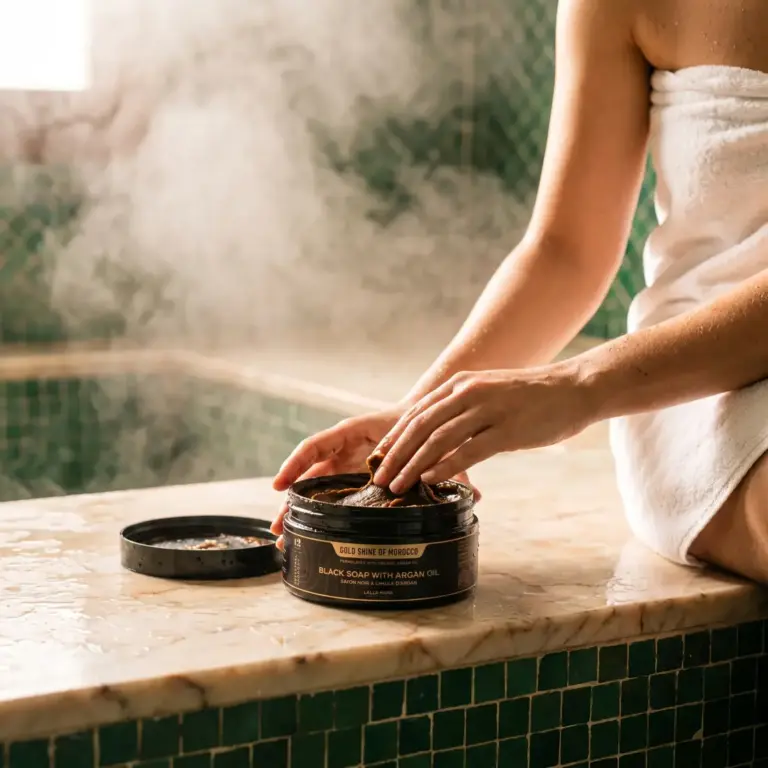
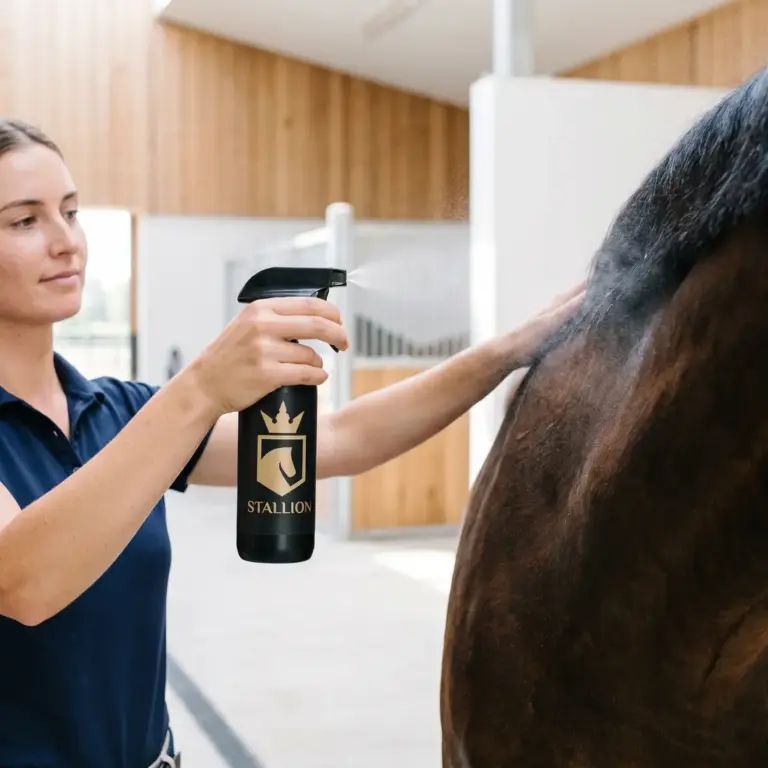
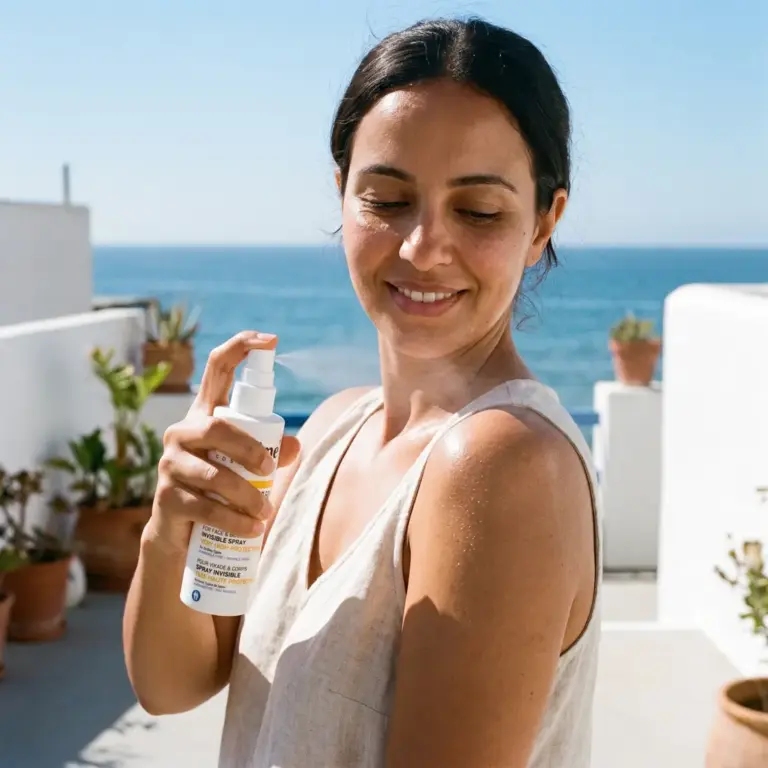
Our own brands, developed and made in our laboratory.
Become a distributor of our brandsPharmacies, spas, shops and wholesalers

Laboratory

Cosmetics manufacturing room with a row of stainless-steel mixers and an operator in white workwearOur factory in Aït MelloulISO 22716 and ISO 9001, visits by appointmentDiscover the factory

Resources

Sweet orange essential oil

Sweet orange essential oil is obtained by expression of the peel of Citrus sinensis1. It contains mostly d-limonene, from 73.9 to 97% depending on the cultivar5. It is named in Annex III of Regulation (EU) 2023/1545 (line 351)2, and it oxidizes in air, forming sensitizing limonene hydroperoxides9.
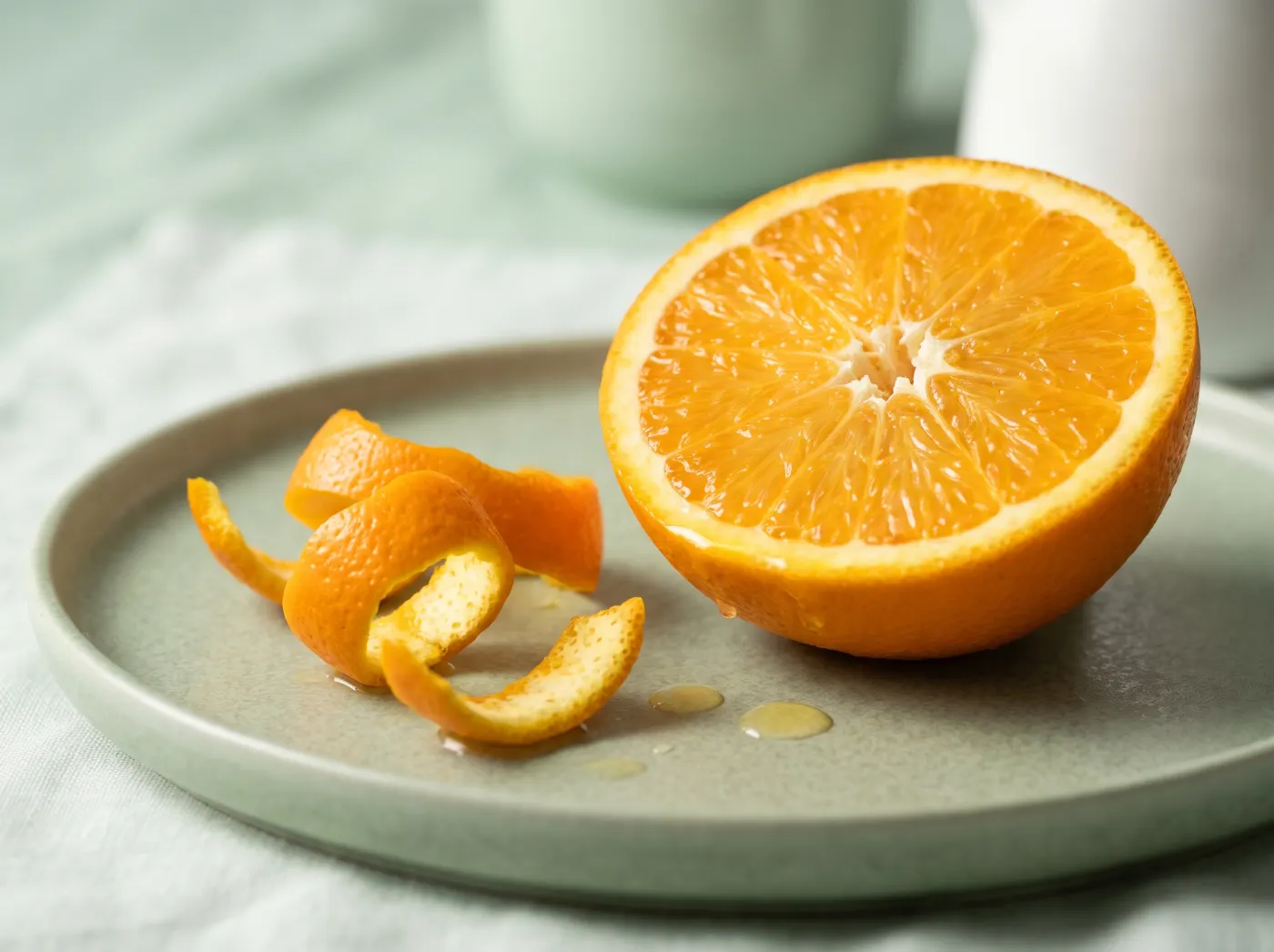
Sweet orange essential oil in macro view, golden drops on a sage green ceramic surface, raking light

Sweet orange oil at a glance

Entry from our cosmetic ingredient glossary. Regulatory data from the European Commission's CosIng database1 and from Regulations (EU) 2023/15452 and 1223/2009 consolidated3. Copy the identifiers in one click for your files.

INCI name
CITRUS AURANTIUM DULCIS PEEL OILUS INCI name: CITRUS AURANTIUM DULCIS (ORANGE) PEEL OIL. CosIng also lists CITRUS AURANTIUM DULCIS PEEL OIL EXPRESSED (CAS 8028-48-6) and CITRUS SINENSIS PEEL OIL EXPRESSED, two separate entries1
Other names
Sweet orange essential oilSweet orange oil, orange oil; Citrus sinensis peel oil1
CAS number
8008-57-9The neighboring "expressed" entry has CAS 8028-48-61
EC number
Not given in CosIngNo EC number for CAS 8008-57-9. The "expressed" entry has EC 232-433-81
Botanical origin
Sweet orange (Citrus sinensis, Rutaceae)CosIng: volatile oil obtained by expression of the peel1
Composition
D-limonene, linalool, geraniol, nerolD-limonene from 73.9 to 97% in 12 Sicilian cultivars5. CosIng states up to 90% d-limonene for the pressed oil1
CosIng functions
Fragrance, skin conditioning"Fragrance" and "Skin conditioning"1
EU status
Named in Annex III, line 351Oil from the peel of Citrus aurantium, amara and dulcis, line added by Regulation (EU) 2023/1545. CAS 8008-57-9 is listed there. CosIng refers to this line (III/351)21
Allergen to declare
Yes, as an oil and through its constituentsAbove 0.001% in a leave-on product and 0.01% in a rinse-off product, with the wording "Citrus Aurantium Peel Oil"2. Limonene (line 88, peroxide value below 20 mmol/L), linalool (84) and geraniol (78) are also named3. Non-compliant products could be placed on the market until 31 July 2026 and may be made available until 31 July 20282
Photosensitization
Furocoumarins: Annex II, line 358Prohibited "except for normal content in the natural essences used"; below 1 mg/kg in sun protection and tanning products3. CosIng refers to this line only for lemon, not for sweet orange1
Safety
CIR assessment of citrus peel oilsSafe if the finished leave-on product contains at most 0.0015% (15 ppm) of 5-methoxypsoralen and if the formula is non-sensitizing and non-irritating4

What the research says

Each result shows the protocol and the level of evidence. The higher the level, the better the result carries over to a finished formula.

Clinical trialReview or consensusLaboratory

Oil compositionChemistry

Limonene at 74 to 97%

Laboratory
12 Citrus sinensis cultivars, SicilyGC/MS analysisSteam-distilled oils

54 components are identified. D-limonene dominates (73.9 to 97%), with smaller proportions of linalool, geraniol and nerol5.

A composition that changes during ripening

Laboratory
2 sweet orange cultivarsSamples every two weeks, from June to MayHydrodistillation, GC-FID and GC/MS

The share of limonene rises sharply as the fruit grows; young fruit gives an oil richer in oxygenated compounds and greener in character. From November to March, composition and aroma profile stay relatively stable and differ from one cultivar to another6.

PhotosensitizationSafety

Xanthotoxin detected in sweet orange

Laboratory
UPLC-MS/MS analysis14 coumarins and furocoumarins12 Citrus species

The authors detected xanthotoxin in sweet orange oil, unlike earlier literature. The abstract gives no figure for the content7.

Oxypeucedanin is found in other oils

Laboratory
Fractionation of lemon oilBiological and chemical analysis

Lemon, lime and bitter orange oils contain significant amounts of oxypeucedanin, a photosensitizing furocoumarin. The abstract does not mention sweet orange14.

Oxidation and contact allergiesToxicology

Orange, among nine oils with more than 2% positive tests

Review
2016 review55 oils tested in people suspected of contact allergy

Nine oils exceeded 2% positive tests, including orange. Relevance data are missing or insufficient, and most reactions come from pure oils or highly concentrated products8.

Oxidized limonene is far more sensitizing

Review
2019 review

Exposed to air, limonene forms oxidation products. Their hydroperoxides are far more sensitizing than the pure compound. Some of the positive tests may be irritant false positives9.

Limonene hydroperoxides: 3.1% positive tests

Clinical study
5,511 consecutively tested peopleIVDK network, 2018 to 2020Clinic population

Tests with limonene hydroperoxides (0.3%) were positive in 170 people (3.1%). Weak, doubtful or irritant reactions are frequent: the authors point to a risk of false positives10.

CIR assessment of citrus peel oils

Review
14 citrus peel oils2019 report

The panel concludes the oils are safe if finished leave-on products do not exceed 0.0015% (15 ppm) of 5-methoxypsoralen and are formulated to be non-sensitizing and non-irritating4.

Use on skinEvidence

No cosmetic clinical trial retained

Review
2018 review of citrus oils

The 2018 review summarizes the biological activities and safety of the oils of twelve citrus fruits, including sweet orange15. We retained no robust cosmetic clinical trial on skin: the oil remains first of all a fragrance ingredient1.

This page summarizes published literature on a cosmetic ingredient. It does not describe the effect of a finished product, which depends on its formula, and it is not medical advice. Evidence is flagged by level: clinical trial, review or laboratory.

Which products use sweet orange oil?

Our white label catalog includes 1 formula with sweet orange oil: the key active in 1 of them, a supporting ingredient in the others. Every category can be customized (formula, fragrance, packaging).

1Body

Fragrance of the lavender and sweet orange massage oil in the catalog.

In our formulas, it is most often paired with

Coconut oil 1Arnica extracts 1Argan oil 1Apricot kernel oil 1Horse chestnut 1

Sweet orange, lemon, petitgrain bigarade or litsea cubeba?

Four citrus or citrus-scented oils often compared for a fresh fragrance. Their chemistry differs, so does their labeling.

Sweet orangeLemonPetitgrain bigaradeLitsea cubeba
Dominant constituentsLimonene, 73.9 to 97%5Limonene (60.7% in one analyzed oil)11Linalool (43.2 to 66.0%), linalyl acetate, α-terpineol12Neral and geranial (citral), 78.7 to 87.4%13
Regulation (EU) 2023/1545Oil named (line 351)2Oil named (line 353)2Oil not named under its INCI2Oil not named; citral named (line 70)3
Carmel catalog formulas1 formula1 formulaNoneNone

Frequently asked questions about sweet orange oil

What is sweet orange essential oil?
It is the volatile oil obtained by expression of the peel of sweet orange, Citrus sinensis1. Its INCI name is CITRUS AURANTIUM DULCIS PEEL OIL. It is made mostly of d-limonene (73.9 to 97% depending on the cultivar)5.
What are the benefits of sweet orange essential oil for skin?
CosIng classifies it as a fragrance and a skin conditioning agent1. It is first of all a fragrance ingredient: we retained no robust cosmetic clinical trial on skin15.
Do I have to declare sweet orange oil in the ingredient list?
Yes. Since Regulation (EU) 2023/1545, the oil from the peel of Citrus aurantium, amara and dulcis is named in Annex III (line 351) and must be declared above 0.001% in a leave-on product and 0.01% in a rinse-off product2. The limonene, linalool and geraniol it contains are also named3. Non-compliant products may be made available on the market until 31 July 2028.
Is sweet orange essential oil photosensitizing?
Furocoumarins fall under Annex II, line 358: they are allowed at their "normal content in the natural essences used", and below 1 mg/kg in sun protection and tanning products3. CosIng refers to this line only for lemon1, but one study detected xanthotoxin in sweet orange7. For a leave-on product, the CIR retains at most 0.0015% (15 ppm) of 5-methoxypsoralen4: ask for the oil's certificate of analysis.
Is sweet orange oil allergenic?
It can be: limonene oxidizes in air and its hydroperoxides are far more sensitizing than the pure compound9. Orange is among the nine oils with more than 2% positive tests in a 2016 review8. Hence the value of air-protected packaging, an antioxidant and tolerance tests on the finished product.
What is the difference with orange blossom water or neroli?
Sweet orange oil comes from the peel (line 351); the flower oil, a separate entry, is named at line 3502. Orange blossom water is the aromatic water of the flower, far less concentrated. Our catalog offers an orange blossom water and a neroli essential oil.
Can you manufacture a sweet orange product for my brand?
Yes. Our ISO 22716 certified lab can add sweet orange to a catalog formula that you customize (the catalog includes a lavender and sweet orange massage oil) or to a custom formula. Samples are free.

Sources

Peer-reviewed studies and official regulatory sources, checked on November 3, 2026.

  1. European Commission. CosIng, entry CITRUS AURANTIUM DULCIS PEEL OIL (CAS 8008-57-9, EC -). ec.europa.eu/growth/tools-databases/cosing
  2. Commission Regulation (EU) 2023/1545 of 26 July 2023 amending Regulation (EC) No 1223/2009 of the European Parliament and of the Council as regards labelling of fragrance allergens in cosmetic products (Annex III). eur-lex.europa.eu
  3. Regulation (EC) No 1223/2009 of the European Parliament and of the Council on cosmetic products, consolidated version of 1 May 2025 (Annexes II and III). eur-lex.europa.eu
  4. Burnett CL, Fiume MM, Bergfeld WF, Belsito DV, Hill RA, Klaassen CD, et al. Safety Assessment of Citrus-Derived Peel Oils as Used in Cosmetics. Int J Toxicol. 2019;38:33S-59S. doi:10.1177/1091581819862504
  5. Geraci A, Di Stefano V, Di Martino E, Schillaci D, Schicchi R. Essential oil components of orange peels and antimicrobial activity. Nat Prod Res. 2017;31(6):653-659. doi:10.1080/14786419.2016.1219860
  6. Ferrer V, Paymal N, Quinton C, Tomi F, Luro F. Investigations of the Chemical Composition and Aromatic Properties of Peel Essential Oils throughout the Complete Phase of Fruit Development for Two Cultivars of Sweet Orange (Citrus sinensis (L.) Osb.). Plants (Basel). 2022;11(20):2747. doi:10.3390/plants11202747
  7. Dosoky NS, Satyal P, Setzer WN. Authentication of Citrus spp. Cold-Pressed Essential Oils by Their Oxygenated Heterocyclic Components. Molecules. 2022;27(19):6277. doi:10.3390/molecules27196277
  8. de Groot AC, Schmidt E. Essential Oils, Part IV: Contact Allergy. Dermatitis. 2016;27(4):170-175. doi:10.1097/der.0000000000000197
  9. de Groot A. Limonene Hydroperoxides. Dermatitis. 2019;30(6):331-335. doi:10.1097/der.0000000000000465
  10. Schubert S, Geier J, Brans R, Heratizadeh A, Kränke B, Schnuch A, et al. Patch testing hydroperoxides of limonene and linalool in consecutive patients-Results of the IVDK 2018-2020. Contact Dermatitis. 2023;89(2):85-94. doi:10.1111/cod.14332
  11. Kačániová M, Čmiková N, Vukovic NL, Verešová A, Bianchi A, Garzoli S, et al. Citrus limon Essential Oil: Chemical Composition and Selected Biological Properties Focusing on the Antimicrobial (In Vitro, In Situ), Antibiofilm, Insecticidal Activity and Preservative Effect against Salmonella enterica Inoculated in Carrot. Plants (Basel). 2024;13(4):524. doi:10.3390/plants13040524
  12. Ellouze I, Abderrabba M, Sabaou N, Mathieu F, Lebrihi A, Bouajila J. Season's variation impact on Citrus aurantium leaves essential oil: chemical composition and biological activities. J Food Sci. 2012;77(9):T173-80. doi:10.1111/j.1750-3841.2012.02846.x
  13. Si L, Chen Y, Han X, Zhan Z, Tian S, Cui Q, et al. Chemical composition of essential oils of Litsea cubeba harvested from its distribution areas in China. Molecules. 2012;17(6):7057-7066. doi:10.3390/molecules17067057
  14. Naganuma M, Hirose S, Nakayama Y, Nakajima K, Someya T. A study of the phototoxicity of lemon oil. Arch Dermatol Res. 1985;278(1):31-36. doi:10.1007/bf00412492
  15. Dosoky NS, Setzer WN. Biological Activities and Safety of Citrus spp. Essential Oils. Int J Mol Sci. 2018;19(7):E1966. doi:10.3390/ijms19071966
Carmel Cosmetics Labs product specialist with a brand founder

Tell us about your project

A product specialist reviews your request and gets back to you on the channel you prefer.

Lead EN – Demande de devis
Tell us about your project. A product specialist will get back to you shortly.
CONTACT INFORMATION
Name
PROJECT INFORMATION
Which cosmetics category interests you most?

By submitting this form, you agree to our terms of service and privacy policy.

No obligation. Your information stays confidential and is used only to prepare your quote.