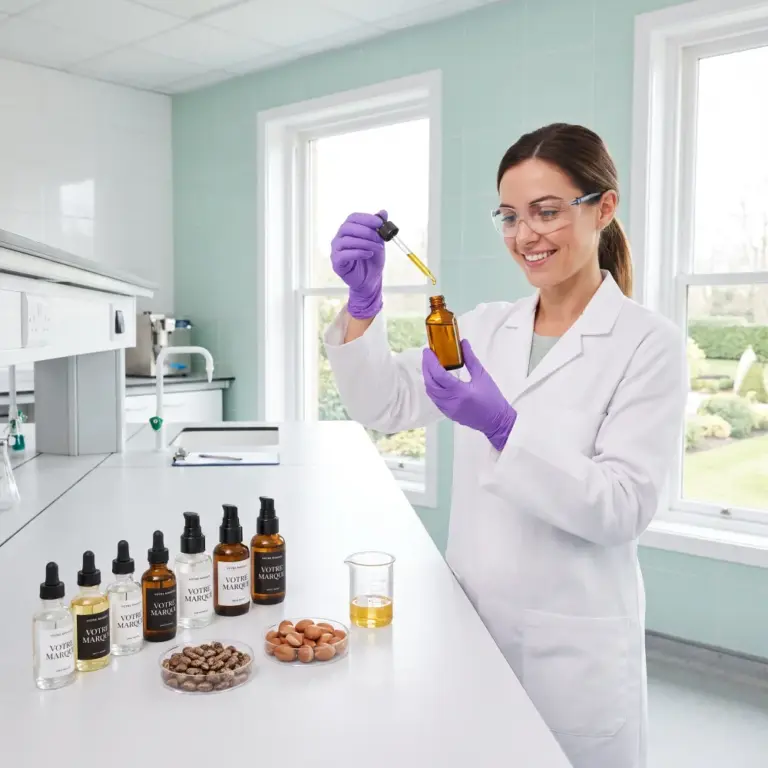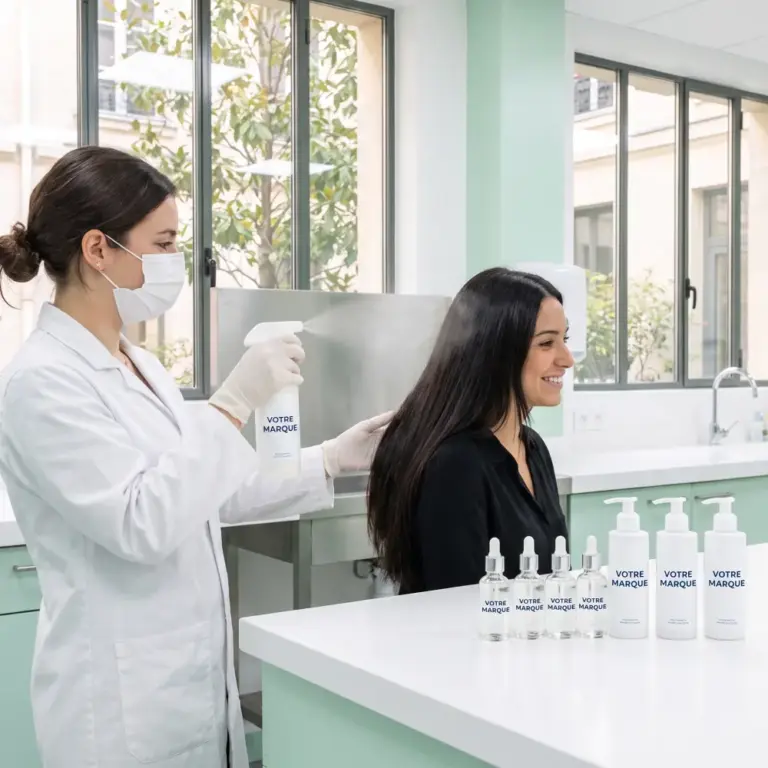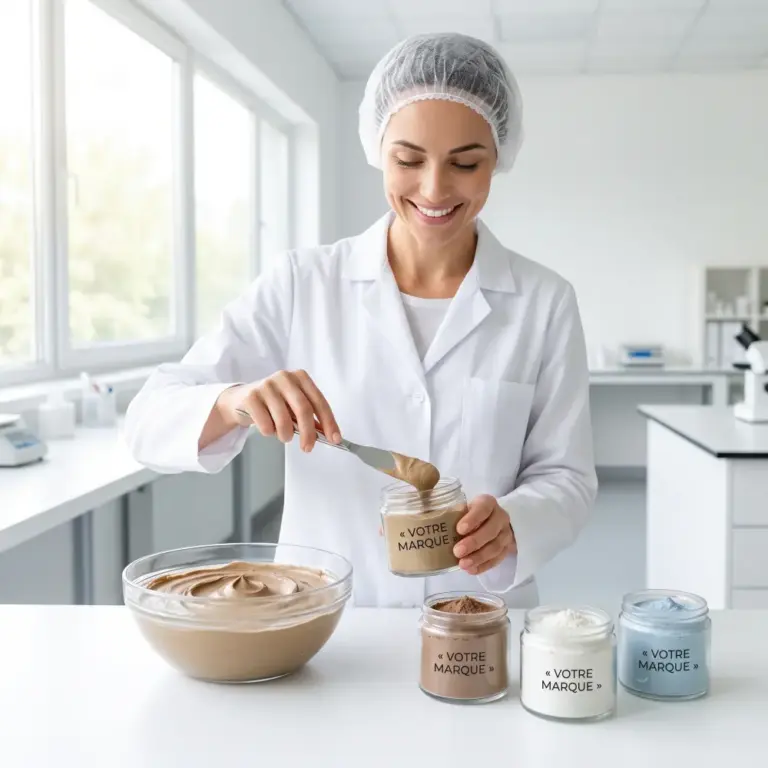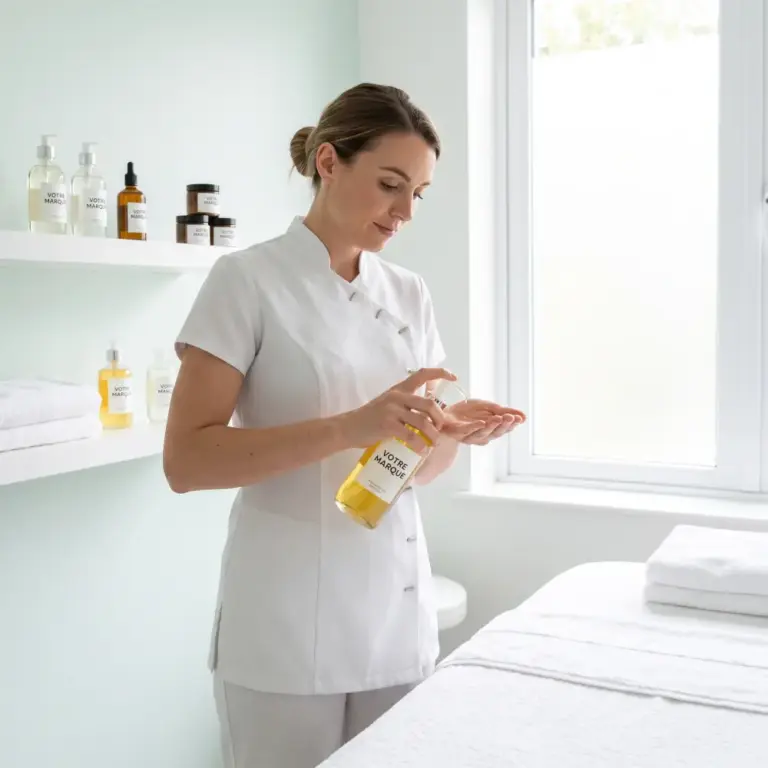

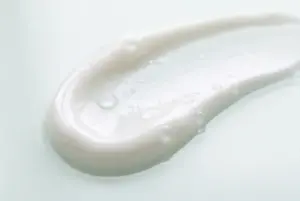
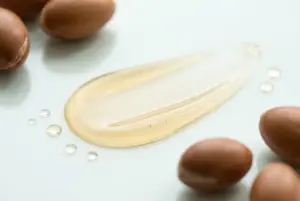
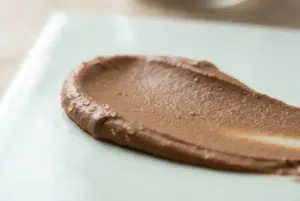
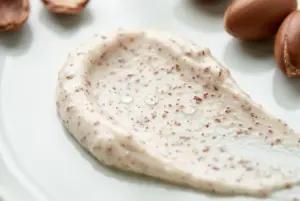
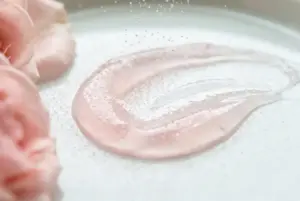


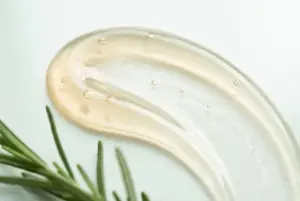


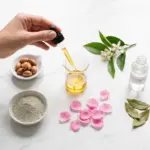

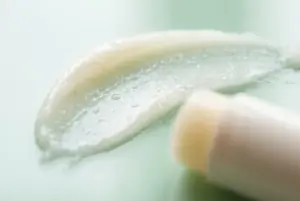


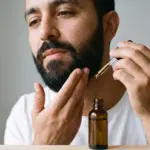











For hair and scalp
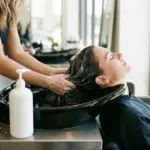
As an oil treatment, it nourishes a dry scalp and coats the lengths. Blended with other oils, it makes rich hair care with a distinctive spicy scent.
Services
Catalog
Explore the full catalog1,000+ formulas ready to carry your brandFace careFull range
Serums, creams and targeted care, formulated with your actives.
Hair careFull range
From shampoo to leave-in, for every hair type.
Body careFull range
Moisturizing, nourishing and shower care: cream, butter or oil.
Hammam and naturalFull range
Black soap, argan and authentic Moroccan rituals.
Specialty careFull range
Sun care, lips, intimate care and oral care.
Industries
All solutions by industryFormulas and formats for your businessHospitality and wellness
Brands and creators
Laboratory
 Our factory in Aït MelloulISO 22716 and ISO 9001, visits by appointmentDiscover the factory
Cosmetics manufacturer based in Agadir
500+ brands35+ countries1,000+ formulas
Our factory in Aït Melloul
Up to 3 million units a yearVisits by appointment
Contract manufacturing, step by step
RegulationsCostsProject steps
Join our teams in Agadir
FormulationProductionQualityRegulatorySales
Resources
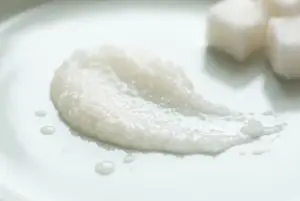
Nigella a white flower with blue highlights.
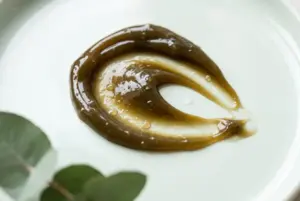
Its seed pod holds dozens of seeds.
The black seeds sanouj, cold-pressed.
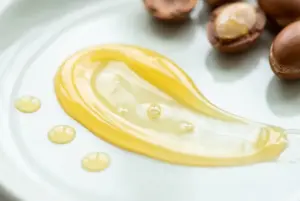
The oil amber, intense, precious.
By the Carmel Cosmetics Labs R&D team · updated October 2, 2026
Black seed oil, also called nigella oil or black cumin oil, is a plant oil cold-pressed from the black seeds of Nigella sativa. Very rich in linoleic acid (omega-6) and containing thymoquinone, it is used in cosmetics to nourish the scalp and dry hair and to care for dry or blemish-prone skin.
Typical average values from the scientific literature. They vary by seed origin and batch; the certificate of analysis for each batch is the reference.
Cold-pressed seeds. A rich amber oil, used neat or as a base. This is the one in our products.
Volatile fraction obtained by distillation, highly concentrated in thymoquinone. It is never applied neat to the skin.
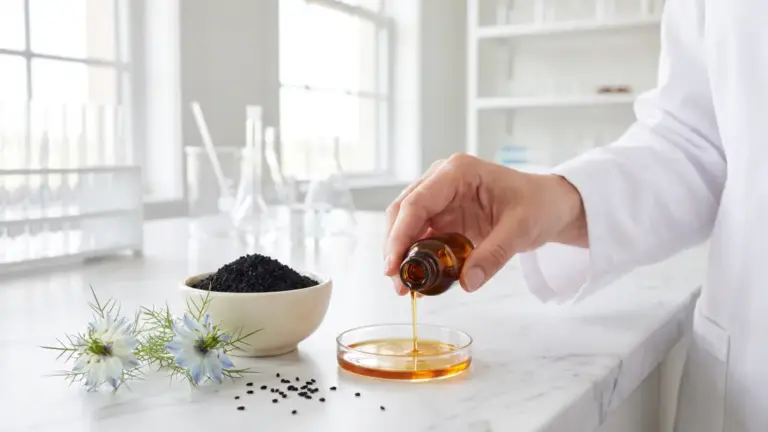
As an oil treatment, it nourishes a dry scalp and coats the lengths. Blended with other oils, it makes rich hair care with a distinctive spicy scent.
Its linoleic acid, an omega-6 the skin uses for its protective barrier, makes it suitable for both dry and blemish-prone skin.
It brings a strong identity: amber color, peppery scent and a story that consumers in the Maghreb and the Middle East know well.
As an oil treatment from 30 minutes to overnight before shampooing, massaged into the scalp.
One or two drops in the evening, mixed with a milder oil or your cream.
Diluted in a massage oil, on dry areas.
It is one of the most widely used oils in our hair care. Choose a category to see formulas ready to carry your brand.
Catalogue products with black seed oil
What our formulators consider when black seed oil goes into your product.
Its peppery scent is strong: we pair it with more neutral oils to keep the fragrance in check.
Rich in omega-6, it needs an antioxidant and an opaque or airless bottle.
For a certified range, we use an organic grade, with supplier documentation.
We write your claims within the cosmetic framework, with no therapeutic promises.
Nigella seeds were found among the grave goods of Tutankhamun.
The name of the seed in Morocco, where it also flavors bread.
The plant belongs to the Ranunculaceae family, like the ranunculus and the buttercup.
It nourishes a dry scalp and coats the lengths. Use it as a pre-shampoo oil treatment, alone or blended with other oils such as argan or olive.
Yes, in small amounts: one or two drops in the evening, mixed with a milder oil or your cream. Its linoleic acid suits both dry and blemish-prone skin. Patch test on a small area before first use.
Yes. “Black cumin” is another name for nigella (Nigella sativa), unrelated to the cumin used in cooking. It is also called black seed, habba sawda, and sanouj in Morocco.
Its INCI name is NIGELLA SATIVA SEED OIL. This is the name that appears in the ingredient list on the packaging.
It is the signature compound of nigella, found mainly in its volatile fraction. It contributes to the oil's peppery scent.
Away from light and heat, with the bottle tightly closed. Rich in omega-6, it oxidizes faster than olive oil.
Yes. We use it in our white label formulas (hair oils, serums, masks) or in an exclusive private label formula, manufactured in our factory in Morocco.
Send your brief: we formulate and manufacture in our ISO 22716 factory in Aït Melloul. A selection of formulas and a detailed quote, with no commitment.