Services

Torn between two services?A project manager will guide you

Catalog

Explore the full catalog1,000+ formulas ready to carry your brand

Face careFull range

Serums, creams and targeted care, formulated with your actives.

Body careFull range

Moisturizing, nourishing and shower care: cream, butter or oil.

Specialty careFull range

Sun care, lips, intimate care and oral care.

Men, baby, makeupFull range

Shaving and beard, baby and mom, makeup.

Industries

All solutions by industryFormulas and formats for your business

Our brands

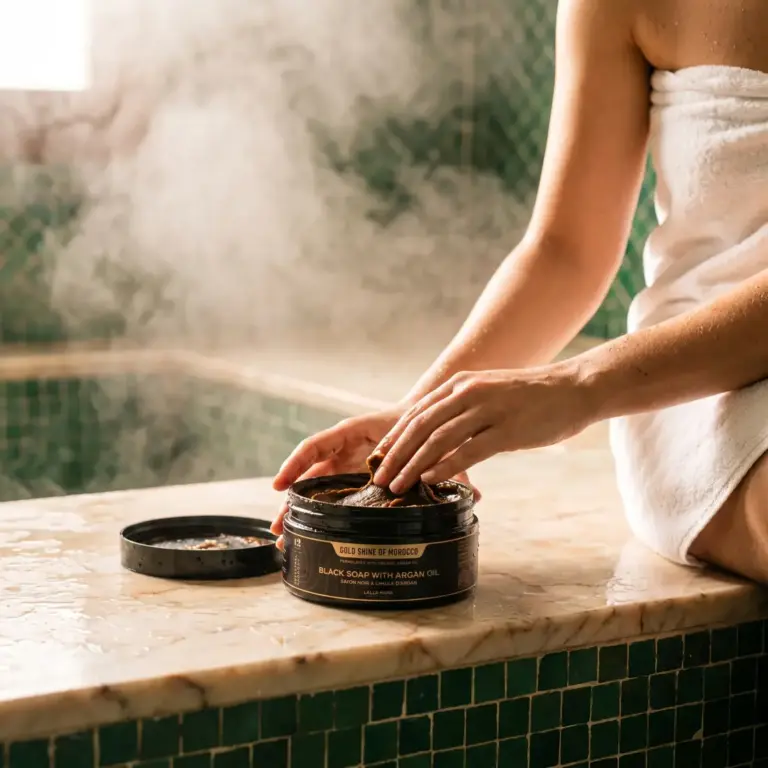
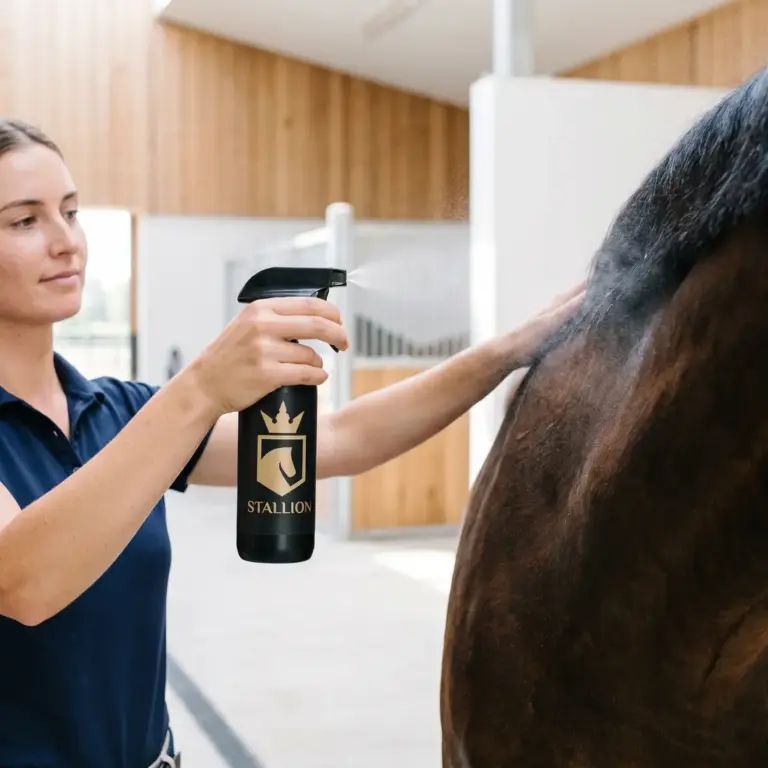
Our own brands, developed and made in our laboratory.
Become a distributor of our brandsPharmacies, spas, shops and wholesalers

Laboratory

Cosmetics manufacturing room with a row of stainless-steel mixers and an operator in white workwearOur factory in Aït MelloulISO 22716 and ISO 9001, visits by appointmentDiscover the factory

Resources

Bakuchiol: a retinol alternative?

Bakuchiol is a terpenoid phenol from the seeds of Psoralea corylifolia, often presented as a retinol alternative4. A 12-week randomized trial (44 volunteers) judges it comparable to 0.5% retinol on wrinkles and dark spots, with less peeling2. The other trials are few and often uncontrolled67.
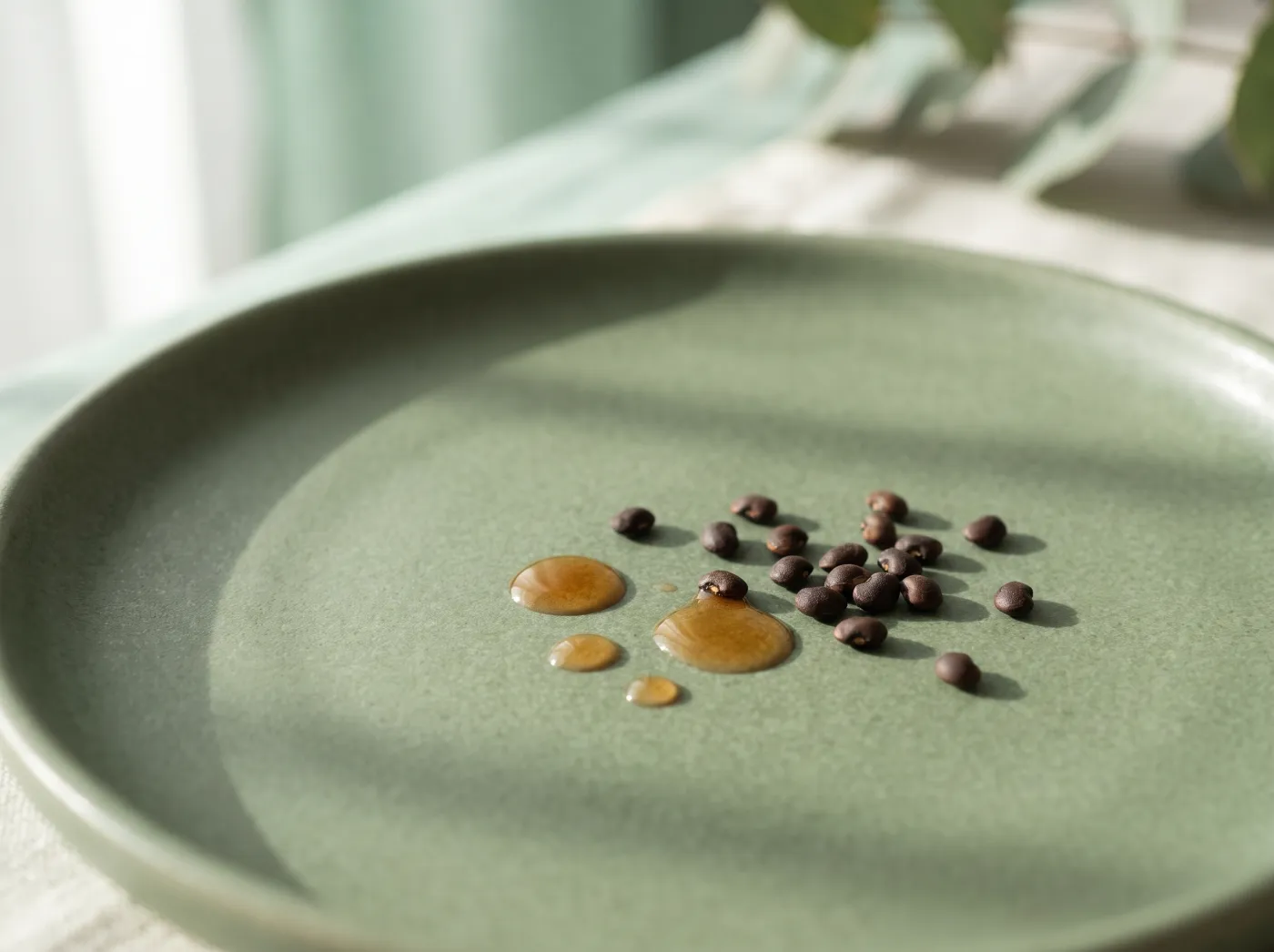
Bakuchiol, raw material in macro view on a sage green ceramic surface

Bakuchiol at a glance

Entry from our cosmetic ingredient glossary. Regulatory data from the European Commission's CosIng database1 and Regulation (EC) 1223/200910. Copy the identifiers in one click for your files.

INCI name
BAKUCHIOL
Chemical name
Terpenoid phenol (meroterpene)4-[(1E,3S)-3,7-dimethyl-3-vinylocta-1,6-dien-1-yl]phenol in CosIng1
CAS number
10309-37-2
EC number
Not assigned in CosIngThe CosIng entry carries no EC number1
Formula
C₁₈H₂₄OMolar mass 256.4 g/mol
Origin
Psoralea corylifolia seedsMeroterpene abundant in the seeds and leaves of the plant34
CosIng functions
Antimicrobial, antioxidant, skin conditioning (emollient)"Antimicrobial", "Antioxidant" and "Skin conditioning - emollient"1
EU status
No restrictionAbsent from Annexes II to VI of Regulation (EC) 1223/2009 as consolidated on May 1, 202510; no annex in CosIng1. It is not covered by the retinol limit9
Allergen to declare
Not listedAbsent from the consolidated Annex III10. Isolated cases of contact allergy to bakuchiol are described78
Safety
No SCCS opinion in CosIngNo SCCS opinion is linked to the entry1. The trials cited report few adverse effects245

What the research says

Each result shows the protocol and the level of evidence. The higher the level, the better the result carries over to a finished formula.

Clinical trialReview or consensusLaboratory

Facial skinSkincare

Wrinkles and dark spots: a result comparable to 0.5% retinol

Clinical trial
Bakuchiol 0.5% twice a dayRetinol 0.5% once a day12 weeks44 volunteersRandomized, double-blind

Wrinkle surface area and hyperpigmentation decreased in both groups, with no statistical difference between them. The retinol group reported more peeling and stinging2.

Sensitive skin: well tolerated, skin more hydrated

Clinical trial
Bakuchiol cleanser and moisturizer4 weeks60 women aged 40 to 65Sensitive photoaged skin

Visual and tactile smoothness, radiance and overall appearance improved (p < 0.001), and cheek water content rose by 16% on corneometry. The effect of bakuchiol alone is not isolated: complete products are tested4.

Gene expression close to that of retinol

Laboratory
Reconstructed skin and fibroblasts12-week clinical case study

The gene expression profiles of bakuchiol and retinol are similar, with more collagens I, III and IV in the laboratory. The associated clinical case study reports fewer wrinkles and dark spots, without the usual adverse effects of retinol. Publication by a manufacturer3.

Review perspectiveDermatology

Fifteen trials, little rigor

Review
2024 systematic review15 human trials

Twelve trials are open-label and uncontrolled, ten test a combination containing bakuchiol, four do not state the dose. The authors speak of a high risk of bias and judge a meta-analysis impossible6.

Grade C recommendation for anti-aging

Review
2024 systematic review32 studies, 1,236 participants

Retinol and vitamin C earn grade A. Bakuchiol receives grade C, with few randomized trials and a lack of long-term data7.

Effects described mostly in the laboratory

Review
2022 systematic review30 articles including 16 preclinical and 7 clinical

The review describes effects on photoaging and dark spots, then estimates that further studies are needed5.

This page summarizes published literature on a cosmetic ingredient. It does not describe the effect of a finished product, which depends on its formula, and it is not medical advice. For bakuchiol, trials are few, often small, without a control group and run with combinations of actives. No study on the body or hair was retained.

Concentrations used in studies

The only randomized comparative trial cited tests bakuchiol at 0.5%2. The other publications do not always state the dose6. No cosmetic concentration limit exists in the EU for this ingredient10: the dose is set with the formulator.

Which products can use bakuchiol?

No formula in our white label catalog features bakuchiol yet. Our formulation lab can add it to a custom formula or to a catalog formula. Its common uses:

Face

Serums, oils and creams for mature or sensitive skin, positioned as an alternative to retinol.

Bakuchiol, retinol, niacinamide or vitamin C?

Retinol is the reference bakuchiol is compared with. Niacinamide and vitamin C are other actives in anti-aging ranges.

BakuchiolRetinolNiacinamideVitamin C
Main roleWrinkles and dark spots, limited evidence57Skin texture, fine linesBarrier, complexion, shineRadiance, antioxidant protection
Level of evidenceGrade C, small or uncontrolled trials67Grade A7Many clinical trialsGrade A7
ToleranceLess peeling and stinging than retinol in one trial2Peeling and stinging reported2Well tolerated, occasional transient rednessDepends on the form and the formula
EU regulationNo restriction100.3% RE, 0.05% RE in body lotion, "vitamin A" mention mandatory9No restrictionNo restriction for ascorbic acid
Best forRanges without the "vitamin A" mention required for retinol9Experienced users, gradual introductionGeneral public, sensitive skin includedDull skin

Frequently asked questions about bakuchiol

What is bakuchiol?
It is a terpenoid phenol (meroterpene) extracted from the seeds of Psoralea corylifolia34. Its INCI name is BAKUCHIOL, its CAS number 10309-37-21. It is used in serums and creams for mature skin.
Is bakuchiol a plant-based retinol?
No. It has no structural resemblance to retinoids and is not derived from vitamin A. In the laboratory, it modulates gene expression in a way close to retinol3, which explains the term "alternative". It does not mean proven equivalence.
Bakuchiol vs retinol: which should you choose?
A 12-week trial on 44 volunteers finds both actives comparable on wrinkles and dark spots, with less peeling and stinging for bakuchiol2. A 2024 review nonetheless gives retinol grade A and bakuchiol grade C, for lack of enough trials7.
What percentage of bakuchiol should you use?
The randomized trial cited uses 0.5%, twice a day2. Several publications do not state the dose6 and the EU sets no limit for this ingredient10. The final dose is decided with the formulator.
Is bakuchiol subject to the European retinol limit?
No. Regulation (EU) 2024/996 targets vitamin A, that is retinol and its esters9. Bakuchiol appears in no annex of the cosmetics regulation as consolidated on May 1, 202510.
Is bakuchiol safe?
The trials cited mostly report good tolerance24. Isolated cases of contact allergy are described78: formulas are tested like any active material. The sources of this page do not cover pregnancy; for that period, a healthcare professional's advice remains the rule.
Morning or night?
In the randomized trial, bakuchiol was applied twice a day2. The sources cited say nothing about photosensitization: they do not allow a conclusion on a time of use.
Can you formulate a bakuchiol serum for my brand?
Yes, on request. Our ISO 22716 certified lab can add it to a customized catalog formula or to a custom formula. No product in our public catalog features it as the key active today. Free samples are included.

Sources

Peer-reviewed studies and official regulatory sources, checked on November 3, 2026.

  1. European Commission. CosIng, entry BAKUCHIOL (CAS 10309-37-2, no EC number). ec.europa.eu/growth/tools-databases/cosing
  2. Dhaliwal S, Rybak I, Ellis SR, et al. Prospective, randomized, double-blind assessment of topical bakuchiol and retinol for facial photoageing. Br J Dermatol. 2019;180(2):289-296. doi:10.1111/bjd.16918
  3. Chaudhuri RK, Bojanowski K. Bakuchiol: a retinol-like functional compound revealed by gene expression profiling and clinically proven to have anti-aging effects. Int J Cosmet Sci. 2014;36(3):221-230. doi:10.1111/ics.12117Sytheon Ltd. (manufacturer)
  4. Draelos ZD, Gunt H, Zeichner J, Levy S. Clinical evaluation of a nature-based bakuchiol anti-aging moisturizer for sensitive skin. J Drugs Dermatol. 2020;19(12):1181-1183. doi:10.36849/JDD.2020.5522
  5. Puyana C, Chandan N, Tsoukas M. Applications of bakuchiol in dermatology: systematic review of the literature. J Cosmet Dermatol. 2022;21(12):6636-6643. doi:10.1111/jocd.15420
  6. Fanning JE, McGee SA, Ibrahim OI. Human clinical trials using topical bakuchiol formulations for the treatment of skin disorders: a systematic review. J Drugs Dermatol. 2024;23(4):239-243. doi:10.36849/JDD.7763
  7. Lau M, Mineroff Gollogly J, Wang JY, Jagdeo J. Cosmeceuticals for antiaging: a systematic review of safety and efficacy. Arch Dermatol Res. 2024;316(5):173. doi:10.1007/s00403-024-02908-2
  8. Malinauskiene L, Linauskiene K, Černiauskas K, Chomičiene A. Bakuchiol: a new allergen in cosmetics. Contact Dermatitis. 2019;80(6):398-399. doi:10.1111/cod.13211
  9. Raison-Peyron N, Dereure O. A new case of contact dermatitis to bakuchiol in a cosmetic cream. Contact Dermatitis. 2020;82(1):61-62. doi:10.1111/cod.13387
  10. Commission Regulation (EU) 2024/996 of 3 April 2024 amending Regulation (EC) No 1223/2009 (vitamin A, alpha-arbutin, arbutin and other substances). eur-lex.europa.eu
  11. Regulation (EC) No 1223/2009 of the European Parliament and of the Council on cosmetic products, version consolidated on May 1, 2025: Annexes II to VI checked for bakuchiol, no entry. eur-lex.europa.eu
Carmel Cosmetics Labs product specialist with a brand founder

Tell us about your project

A product specialist reviews your request and gets back to you on the channel you prefer.

Lead EN – Demande de devis
Tell us about your project. A product specialist will get back to you shortly.
CONTACT INFORMATION
Name
PROJECT INFORMATION
Which cosmetics category interests you most?

By submitting this form, you agree to our terms of service and privacy policy.

No obligation. Your information stays confidential and is used only to prepare your quote.