Services

Torn between two services?A project manager will guide you

Catalog

Explore the full catalog1,000+ formulas ready to carry your brand

Face careFull range

Serums, creams and targeted care, formulated with your actives.

Body careFull range

Moisturizing, nourishing and shower care: cream, butter or oil.

Specialty careFull range

Sun care, lips, intimate care and oral care.

Men, baby, makeupFull range

Shaving and beard, baby and mom, makeup.

Industries

All solutions by industryFormulas and formats for your business

Our brands

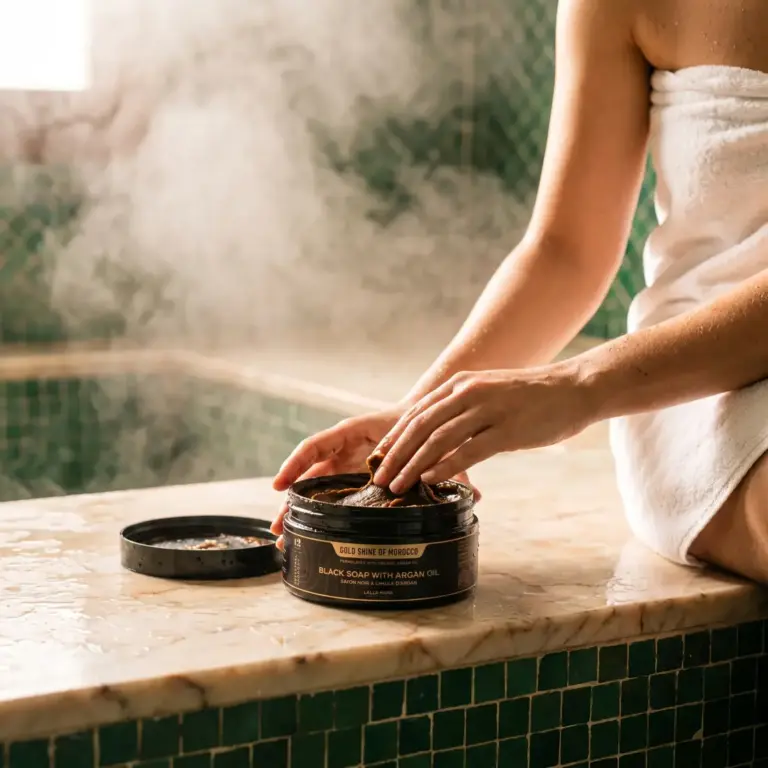
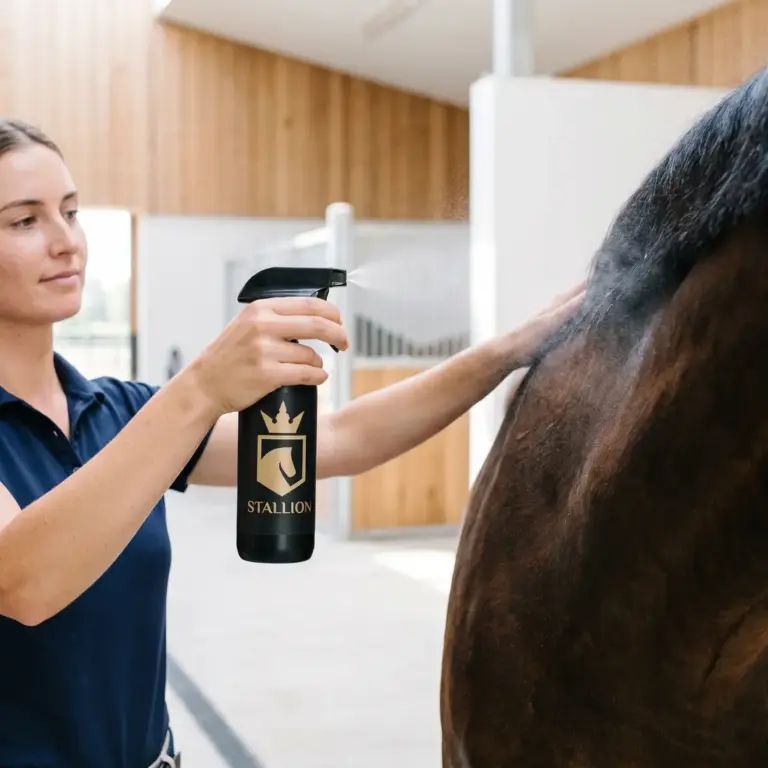
Our own brands, developed and made in our laboratory.
Become a distributor of our brandsPharmacies, spas, shops and wholesalers

Laboratory

Cosmetics manufacturing room with a row of stainless-steel mixers and an operator in white workwearOur factory in Aït MelloulISO 22716 and ISO 9001, visits by appointmentDiscover the factory

Resources

Azelaic acid in cosmetics

Azelaic acid is a natural dicarboxylic acid. It inhibits tyrosinase in the laboratory5 and is among the ingredients recommended by a consensus of dermatologists for blemish-prone skin and dark spots3. But most clinical trials cover drug products at 15-20%6: this page keeps only what is relevant to cosmetics.
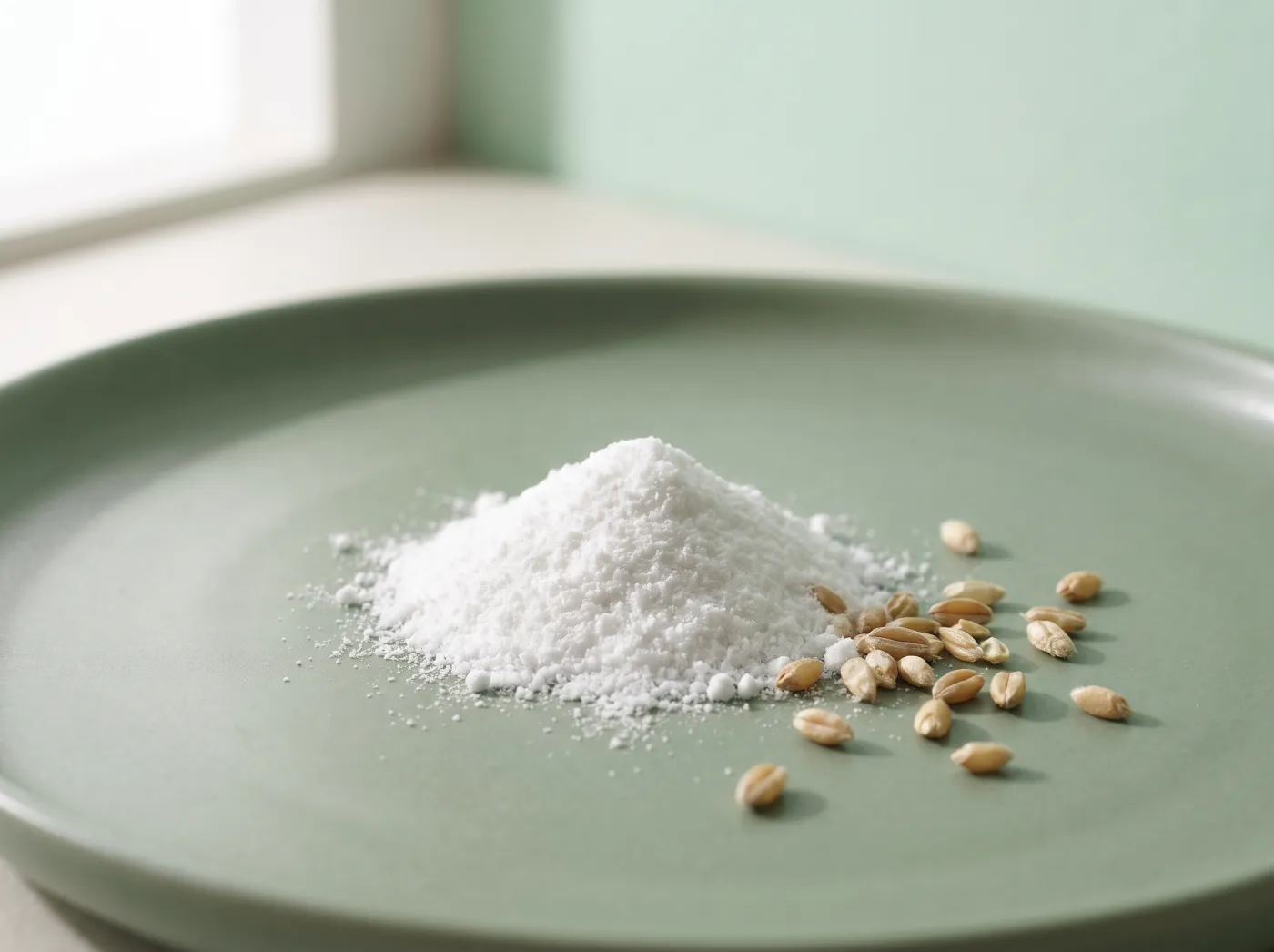
Azelaic acid, white crystalline powder in macro view on a sage green ceramic surface

Azelaic acid at a glance

Entry from our cosmetic ingredient glossary. Regulatory data from the European Commission's CosIng database1 and Regulation (EC) 1223/20092. Copy the identifiers in one click for your files.

INCI name
AZELAIC ACIDAzelates (e.g. LYSINE AZELATE) and copolymers have their own CosIng entries1
Other names
Nonanedioic acidNonanedioic acid in CosIng1
CAS number
123-99-9
EC number
204-669-1
Formula
C₉H₁₆O₄Saturated dicarboxylic acid5, molar mass 188.22 g/mol
CosIng functions
Buffering, fragrance"Buffering" and "Fragrance": CosIng lists no skincare function for this substance1
Solubility
Low in waterIt limits diffusion into the skin: performance depends strongly on the vehicle (liposomes, nanocarriers, eutectic solvents)6
EU status
No cosmetic restrictionAbsent from Annexes II to VI of Regulation (EC) 1223/2009 as consolidated on May 1, 20252. No annex listed in CosIng1
Allergen to declare
Not listedAbsent from the consolidated Annex III2
Safety
Mild, transient irritation describedNo SCCS opinion in CosIng1. Reviews report mild, short-lived local irritation67

What the research says

Each result shows the protocol and the level of evidence. The higher the level, the better the result carries over to a finished formula.

Clinical trialReview or consensusLaboratory

Facial skinSkincare

An effect on pigmentation described in the laboratory

Review
2023 reviewMechanism

Azelaic acid inhibits tyrosinase, a key enzyme in melanin production. This effect on melanocytes is the main one exploited for dark spots5.

Pores and skin surface

Review
2014 reviewMechanism

The review describes an anti-keratinizing effect, which limits pore blockage, and antibacterial activity against Gram-positive and Gram-negative bacteria. Review by a pharmaceutical company4.

Expert viewDermatology

Recommended for blemish-prone skin and dark spots

Expert consensus
2025 Delphi consensus62 dermatologists43 centers

Azelaic acid is among the 23 cosmetic ingredients recommended by the panel for blemish-prone skin and dark spots3.

A well-documented active in humans for blemish-prone skin

Review
2026 review

According to this review of cosmetics for blemish-prone skin, human trials mainly support retinol, benzoyl peroxide and azelaic acid. It notes that most studies cover mild to moderate cases8.

Clinical trials use 15 to 20%

Review
2025 review15-20% formulations

The reported improvements concern 15-20% products assessed for medical indications, with mild, short-lived local irritation. They do not transfer as is to a cosmetic67.

This page summarizes published literature on a cosmetic ingredient. It does not describe the effect of a finished product, which depends on its formula, and it is not medical advice. Azelaic acid is mostly studied as a drug, at 15-20%, for medical indications. Those results are not reproduced here: only results useful to cosmetics are cited, and no low-dose cosmetic trial was retained.

Which products can use azelaic acid?

No formula in our white label catalog features azelaic acid yet. Our formulation lab can add it to a custom formula or to a catalog formula. Its common uses:

Face

Serums and creams for blemish-prone skin or dark spots, often paired with niacinamide in routines.

Azelaic acid, niacinamide, kojic acid or alpha-arbutin?

Four actives often compared for complexion care. Their regulatory status differs markedly in the EU.

Azelaic acidNiacinamideKojic acidAlpha-arbutin
Main rolePigmentation (tyrosinase) and pores, in the laboratory45Barrier, complexion, shineSkin lighteningSkin lightening
Cosmetic evidenceExpert consensus, few cosmetic trials3Many clinical trialsSee its pageSee its page
EU regulationNo cosmetic restriction2No restrictionAnnex III no. 375, 1% maximumAnnex III no. 377, 2% in face cream
Watch pointLow solubility, performance tied to the vehicle6Stable in the water phaseEU limit to respectHydroquinone limited to traces

Frequently asked questions about azelaic acid

What is azelaic acid?
It is a saturated dicarboxylic acid, also called nonanedioic acid, found naturally5. Its INCI name is AZELAIC ACID, its CAS number 123-99-91. In cosmetics, it is mainly used for blemish-prone skin and dark spots.
Azelaic acid: cosmetic or drug?
The cosmetics regulation defines a product by its purpose: cleaning, perfuming, changing appearance, protecting, keeping in good condition or correcting body odors2. The 15-20% formulations studied in clinical trials are studied for medical indications6. Reviews also list cosmetic-status and drug-status products containing 5 to 20% azelaic acid5. We therefore set no threshold here: qualification depends on the composition, the claim and the regulatory file of the product.
What percentage of azelaic acid should you choose?
The clinical trials cited cover 15 to 20%67, in a medical setting: this is not a cosmetic recommendation. The annexes of the cosmetics regulation set no maximum concentration2. The dose of a product is decided with the formulator, depending on the vehicle, the target tolerance and the claims.
Azelaic acid or niacinamide: can you combine them?
The dermatologist panel recommends azelaic acid for blemish-prone skin and dark spots, and niacinamide for redness and dark spots3. They are two common actives in complexion routines. The sources cited do not assess their combination in a single formula: stability and tolerance are checked in the laboratory.
Does azelaic acid irritate the skin?
Reviews describe mild, short-lived local irritation67. It depends on the percentage and the vehicle6. A cosmetic product is tested like any formula. For pregnancy, these sources give no conclusion: a healthcare professional's advice remains the rule.
Morning or night?
The sources cited give no application time for azelaic acid and do not describe it as photosensitizing. They do not allow a conclusion.
Can you formulate an azelaic acid product for my brand?
Yes, on request. Our ISO 22716 certified lab can add it to a customized catalog formula or to a custom formula. It formulates cosmetics: concentration and claims are defined together, without borrowing those of a drug. No product in our public catalog features it as the key active today. Free samples are included.

Sources

Peer-reviewed studies and official regulatory sources, checked on November 3, 2026.

  1. European Commission. CosIng, entry AZELAIC ACID (CAS 123-99-9, EC 204-669-1). ec.europa.eu/growth/tools-databases/cosing
  2. Regulation (EC) No 1223/2009 of the European Parliament and of the Council on cosmetic products, version consolidated on May 1, 2025: Article 2(1)(a) (definition of a cosmetic product), Annexes II to VI checked for azelaic acid, no entry. eur-lex.europa.eu
  3. Alvarez GV, Kang BY, Richmond AM, et al. Skincare ingredients recommended by cosmetic dermatologists: a Delphi consensus study. J Am Acad Dermatol. 2025;93(6):1509-1525. doi:10.1016/j.jaad.2025.04.021
  4. Sieber MA, Hegel JK. Azelaic acid: properties and mode of action. Skin Pharmacol Physiol. 2014;27(Suppl 1):9-17. doi:10.1159/000354888Bayer Pharma AG
  5. Sauer N, Oślizło M, Brzostek M, et al. The multiple uses of azelaic acid in dermatology: mechanism of action, preparations, and potential therapeutic applications. Postepy Dermatol Alergol. 2023;40(6):716-724. doi:10.5114/ada.2023.133955
  6. Petrovici AG, Spennato M, Bîtcan I, et al. A comprehensive review of azelaic acid pharmacological properties, clinical applications, and innovative topical formulations. Pharmaceuticals (Basel). 2025;18(9):1273. doi:10.3390/ph18091273
  7. Fitton A, Goa KL. Azelaic acid: a review of its pharmacological properties and therapeutic efficacy in acne and hyperpigmentary skin disorders. Drugs. 1991;41(5):780-798. doi:10.2165/00003495-199141050-00007
  8. Searle TN, Al-Niaimi F, Ali FR. Cosmeceuticals in acne vulgaris: from mechanism of action to clinical application. Skin Health Dis. 2026;6(2):77-89. doi:10.1093/skinhd/vzaf104
Carmel Cosmetics Labs product specialist with a brand founder

Tell us about your project

A product specialist reviews your request and gets back to you on the channel you prefer.

Lead EN – Demande de devis
Tell us about your project. A product specialist will get back to you shortly.
CONTACT INFORMATION
Name
PROJECT INFORMATION
Which cosmetics category interests you most?

By submitting this form, you agree to our terms of service and privacy policy.

No obligation. Your information stays confidential and is used only to prepare your quote.