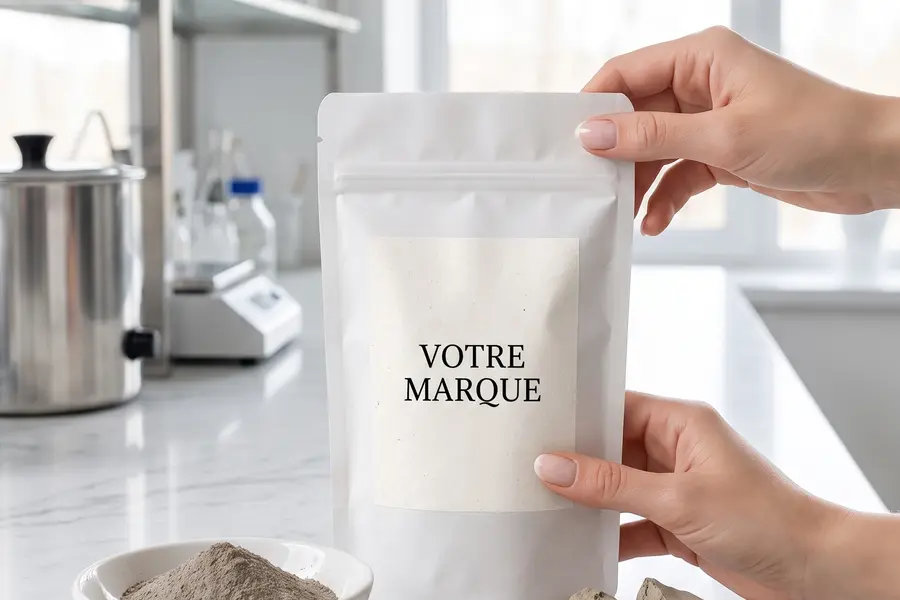
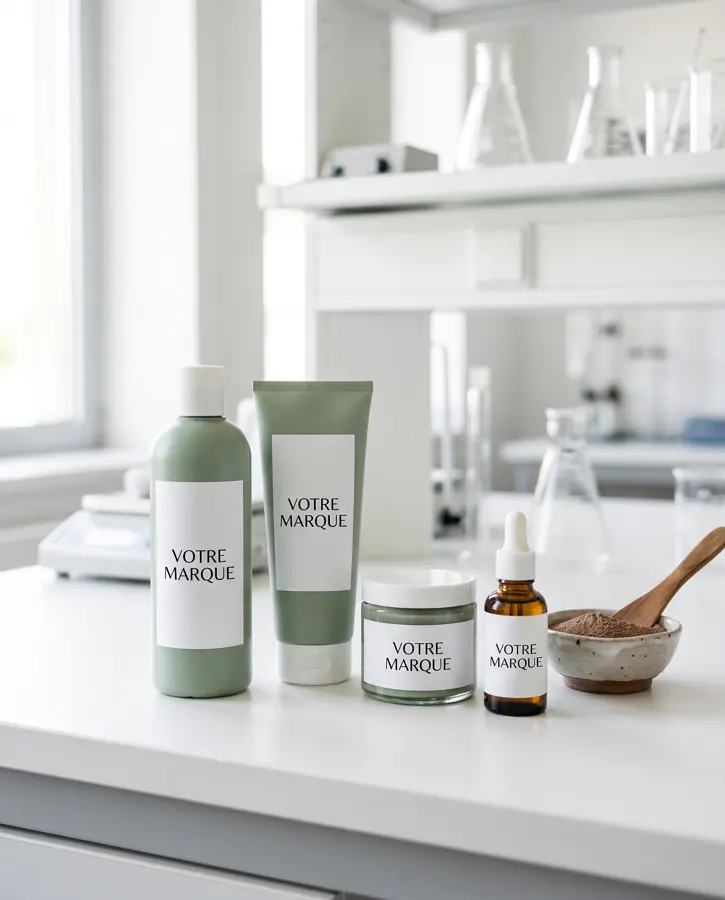
For hair
In a shampoo, a conditioner or a mask, thyme brings a fresh, herbal scent; the formula cleanses the scalp and leaves a feeling of freshness.
Services
Catalog
Explore the full catalog1,000+ formulas ready to carry your brandFace careFull range
Serums, creams and targeted care, formulated with your actives.
Hair careFull range
From shampoo to leave-in, for every hair type.
Body careFull range
Moisturizing, nourishing and shower care: cream, butter or oil.
Hammam and naturalFull range
Black soap, argan and authentic Moroccan rituals.
Specialty careFull range
Sun care, lips, intimate care and oral care.
Industries
All solutions by industryFormulas and formats for your businessHospitality and wellness
Brands and creators
Our brands
Our own brands, developed and made in our laboratory.
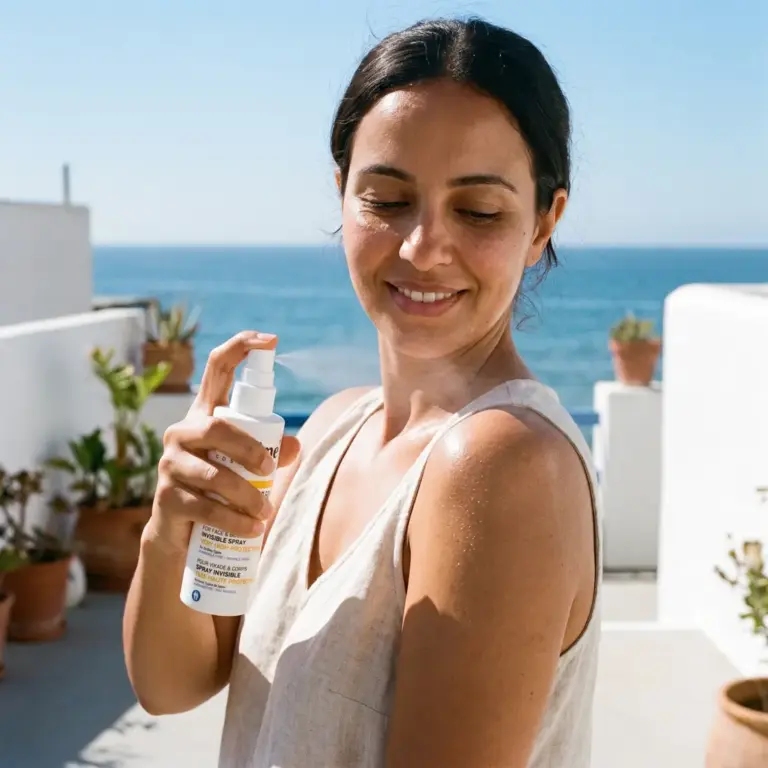
 DermocosmeticsSublime CosmeticsFace, sun and body care for pharmacies and drugstores.Visit the website
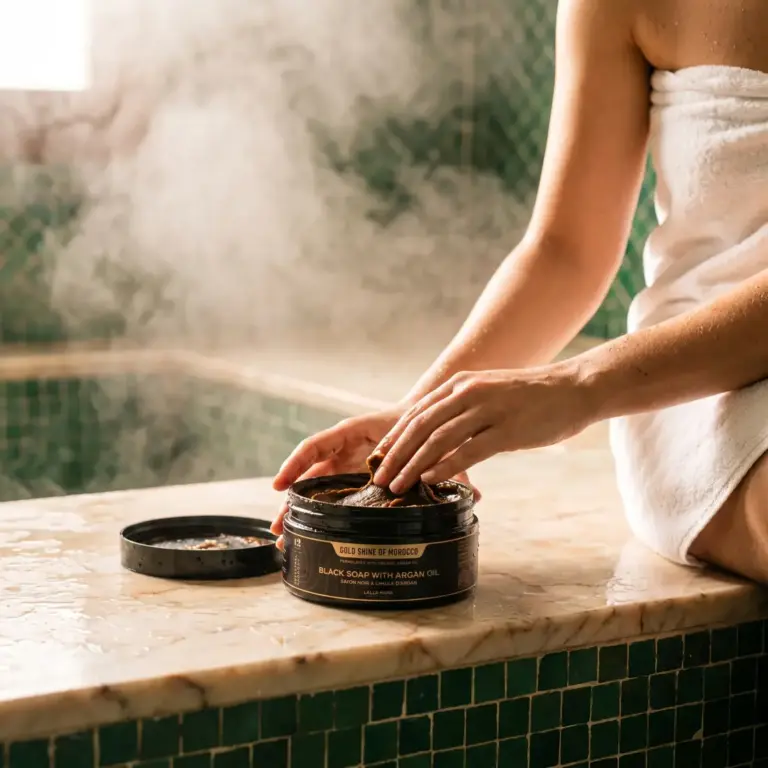
 Hammam and spaLalla MamaMoroccan hammam rituals: black soap, rhassoul, oils and body care.Visit the website
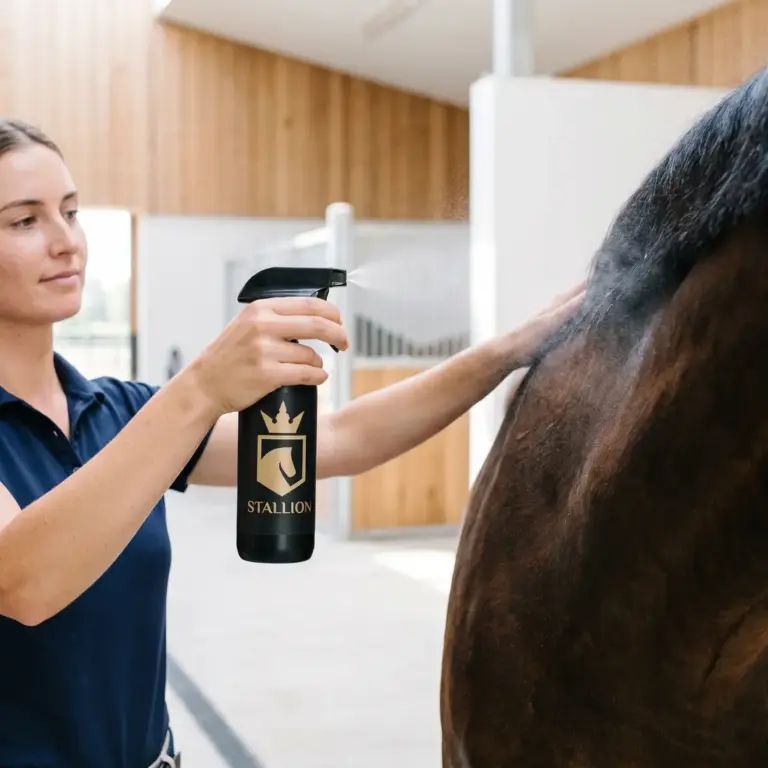
 Equine careStallionGrooming care for horses: mane, coat and hooves.Visit the website
Laboratory
 Our factory in Aït MelloulISO 22716 and ISO 9001, visits by appointmentDiscover the factory
Cosmetics manufacturer based in Agadir
500+ brands35+ countries1,000+ formulas
Our factory in Aït Melloul
Up to 3 million units a yearVisits by appointment
Contract manufacturing, step by step
RegulationsCostsProject steps
Join our teams in Agadir
FormulationProductionQualityRegulatorySales
Resources
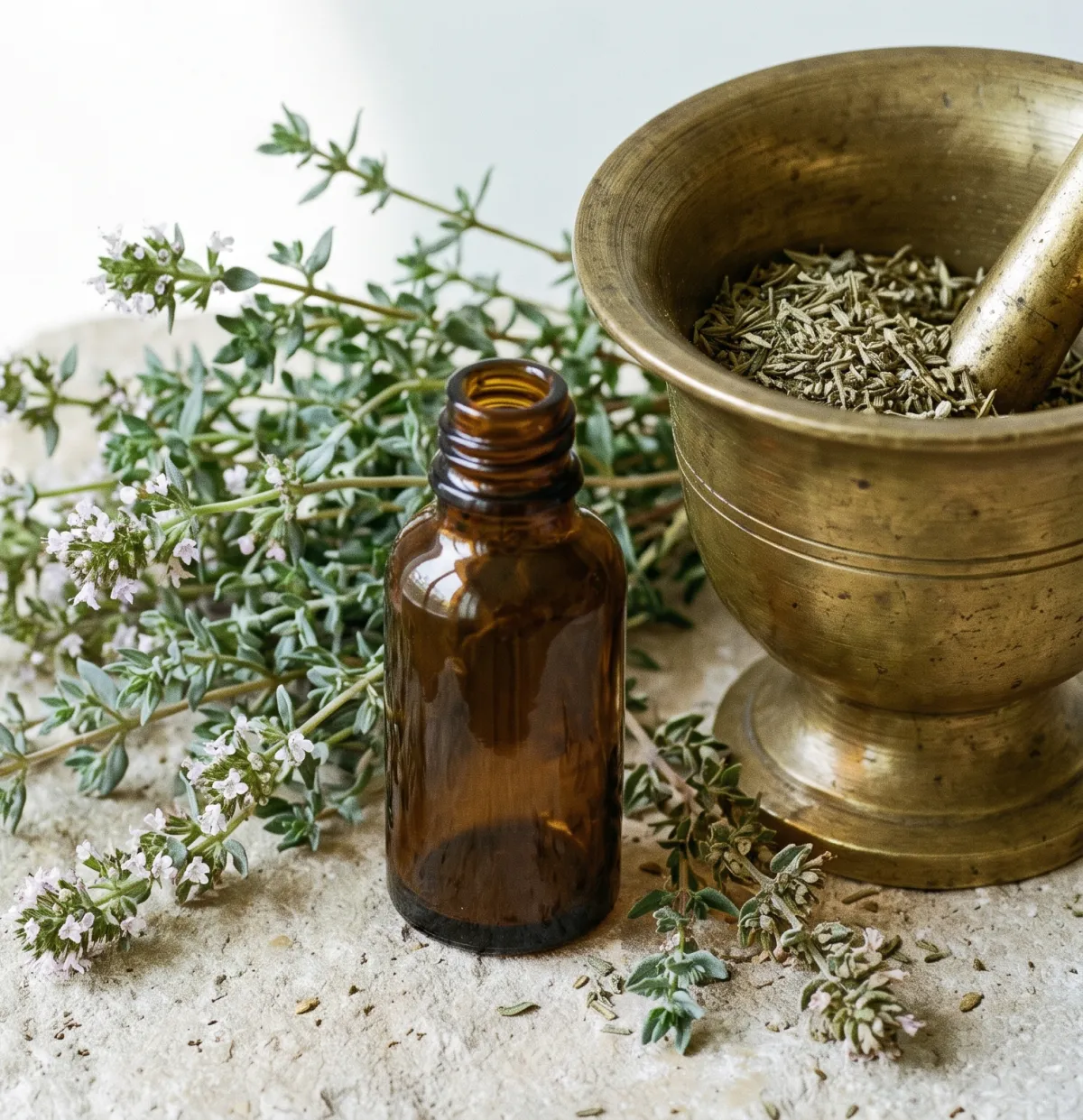
The thyme an aromatic plant of dry hillsides, distilled for its oil.
Leaves and flowers the flowering tops, the part used.
Dried, ground the leaf scents shampoos, masks and cleansers.
The essential oil rich in thymol, always diluted before use.
By the Carmel Cosmetics Labs R&D team · updated October 18, 2026
Thyme (Thymus vulgaris) is an aromatic plant of the Lamiaceae family, native to Southern Europe and the Mediterranean. In cosmetics, it is used in three forms: the dried leaf, declared as THYMUS VULGARIS LEAF and classed as a fragrance ingredient by CosIng, the extract, and the essential oil obtained by distillation. This oil is rich in thymol, along with γ-terpinene and p-cymene. Thyme scents shampoos, masks and cleansers.
The dried, ground plant, declared as THYMUS VULGARIS LEAF, which CosIng classes as a fragrance ingredient. It goes into masks and powders.
An extract of the flowers and leaves, declared for example as THYMUS VULGARIS FLOWER/LEAF EXTRACT, which CosIng classes as a skin conditioning agent, tonic and fragrance ingredient.
The distilled volatile oil, highly concentrated and rich in thymol, declared as THYMUS VULGARIS OIL or LEAF OIL depending on the part distilled. It is dosed like a fragrance and requires allergen labeling.
In a shampoo, a conditioner or a mask, thyme brings a fresh, herbal scent; the formula cleanses the scalp and leaves a feeling of freshness.
In a cleansing foam or a clay mask, it scents care that cleanses the skin. CosIng assigns the flower and leaf extract the function of skin conditioning agent and tonic.
Its essential oil, rich in thymol, scents at a very low dose. Studies describe many chemotypes (thymol, linalool, geraniol...), which change its odor and its allergens: we choose the batch on analysis.
Thyme shampoo or conditioner massaged into wet hair, then rinsed; a mask is left on for a few minutes over the lengths.
Cleansing foam applied to damp skin, emulsified in small circles then rinsed, avoiding the eyes.
Never neat on the skin: always diluted in a vegetable oil or a base, at a low dose, and tested on a small area before use. Keep away from eyes and mucous membranes.
We build it into shampoos and conditioners, masks, cleansing foams, and pure essential oil, ready to carry your brand. Choose a category to see our formulas.
Catalog products with thyme
What our formulators take into account when thyme goes into your product.
Often paired with
Depending on its chemotype, thyme essential oil contains linalool, limonene or geraniol, allergens of Annex III of Regulation 1223/2009: above 0.001% in a leave-on product and 0.01% in a rinse-off product, they are named in the INCI list.
Regulation (EU) 2023/1545 adds new allergens to be labeled, including terpineol and camphor. Non-compliant products can no longer be placed on the market after July 31, 2026.
Rich in phenols such as thymol, the essential oil is dosed low, and the formula goes through tolerance tests before it is placed on the market.
Thyme has many traditional medicinal uses, in Morocco as elsewhere. We present them as tradition and write your claims within the cosmetic framework: scent, cleanse, refresh.
The genus Thymus has 21 species in Morocco, 10 of them endemic, an endemism rate close to 48%.
Local people call Moroccan thymes "zaîtra" or "azoukeni"; they are harvested and sold fresh or dried in city markets.
A single species, Thymus vulgaris, can give very different oils: a study of 85 oils identified at least 20 chemotypes.
Thyme scents care products with a fresh, herbal note. The extract is classed by CosIng as a skin conditioning agent and tonic, the leaf and the essential oil as fragrance ingredients. It is found in shampoos, masks and cleansers, within the cosmetic framework and with no medical promise.
In Morocco, a survey of herbalists in Fès-Meknès cites a local thyme, Thymus zygis, called zeitra, in traditional hair preparations. In our shampoos and masks, thyme scents and accompanies scalp cleansing, with no promise on hair loss or hair growth.
Never neat: always dilute it in a vegetable oil or build it into a formulated product, at a low dose. Do a test in the crook of the elbow before first use and keep it away from eyes and mucous membranes. For sensitive groups, ask a professional for advice.
For a commercial Thymus vulgaris oil, the values cited are: thymol 23 to 60%, γ-terpinene 18 to 50%, p-cymene 8 to 44%, carvacrol 2 to 8% and linalool 3 to 4%. The composition changes strongly with the chemotype and the origin.
Yes. Depending on the chemotype, thyme essential oil contains linalool, limonene or geraniol, allergens regulated in the European Union. Above 0.001% in a leave-on product and 0.01% in a rinse-off product, they must appear in the ingredient list.
Yes. Carmel Cosmetics Labs offers a pure thyme essential oil under your brand, and builds thyme into shampoos, masks and cleansing foams in white label, or into an exclusive private label formula, made in our ISO 22716 factory in Aït Melloul.
Send your brief: we formulate and manufacture your thyme care products and essential oils in our ISO 22716 factory in Aït Melloul. Free consultation and a selection of formulas, no commitment.