Services

Torn between two services?A project manager will guide you

Catalog

Explore the full catalog1,000+ formulas ready to carry your brand

Face careFull range

Serums, creams and targeted care, formulated with your actives.

Body careFull range

Moisturizing, nourishing and shower care: cream, butter or oil.

Specialty careFull range

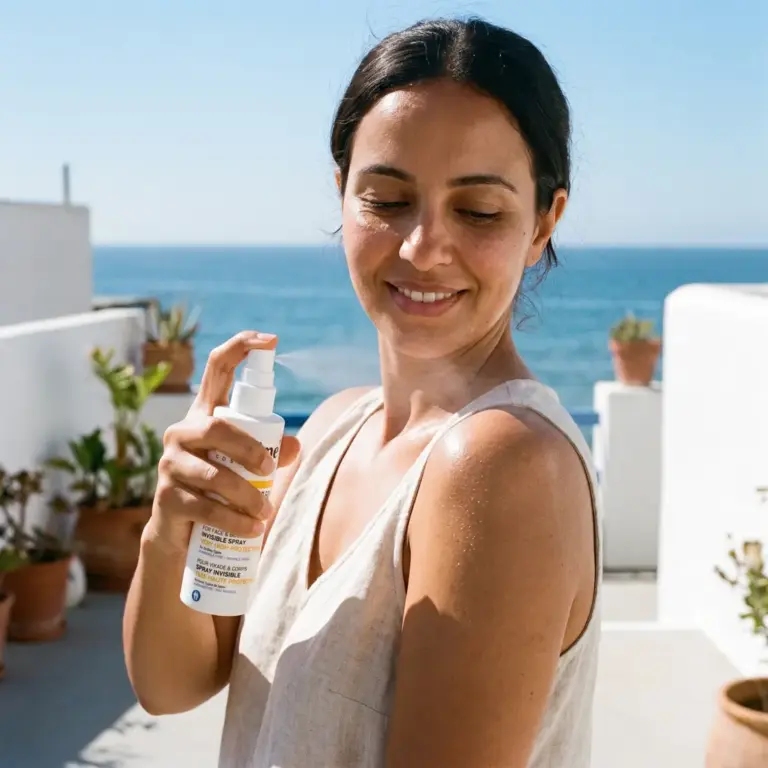
Sun care, lips, intimate care and oral care.

Men, baby, makeupFull range

Shaving and beard, baby and mom, makeup.

Industries

All solutions by industryFormulas and formats for your business

Our brands

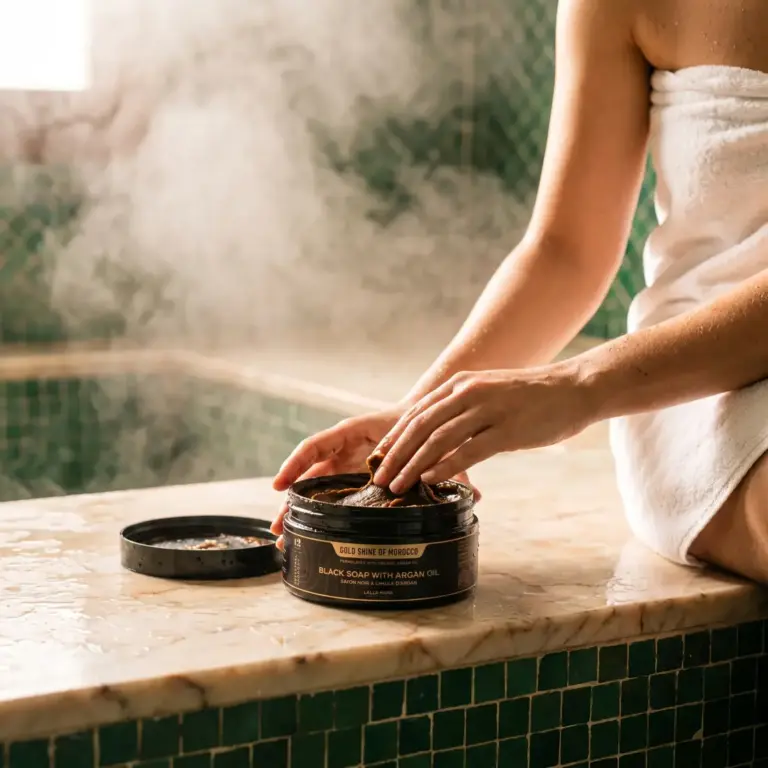
Our own brands, developed and made in our laboratory.

Become a distributor of our brandsPharmacies, spas, shops and wholesalers

Laboratory

Cosmetics manufacturing room with a row of stainless-steel mixers and an operator in white workwearOur factory in Aït MelloulISO 22716 and ISO 9001, visits by appointmentDiscover the factory

Resources

Propolis

Propolis is a resinous substance that bees make from plant resins to seal the hive17. Its composition varies with origin: more than 300 compounds have been identified in it7. Cosmetic evidence remains limited, and it is a known contact allergen: 1.2 to 6.6% of people patch-tested are sensitive to it4.

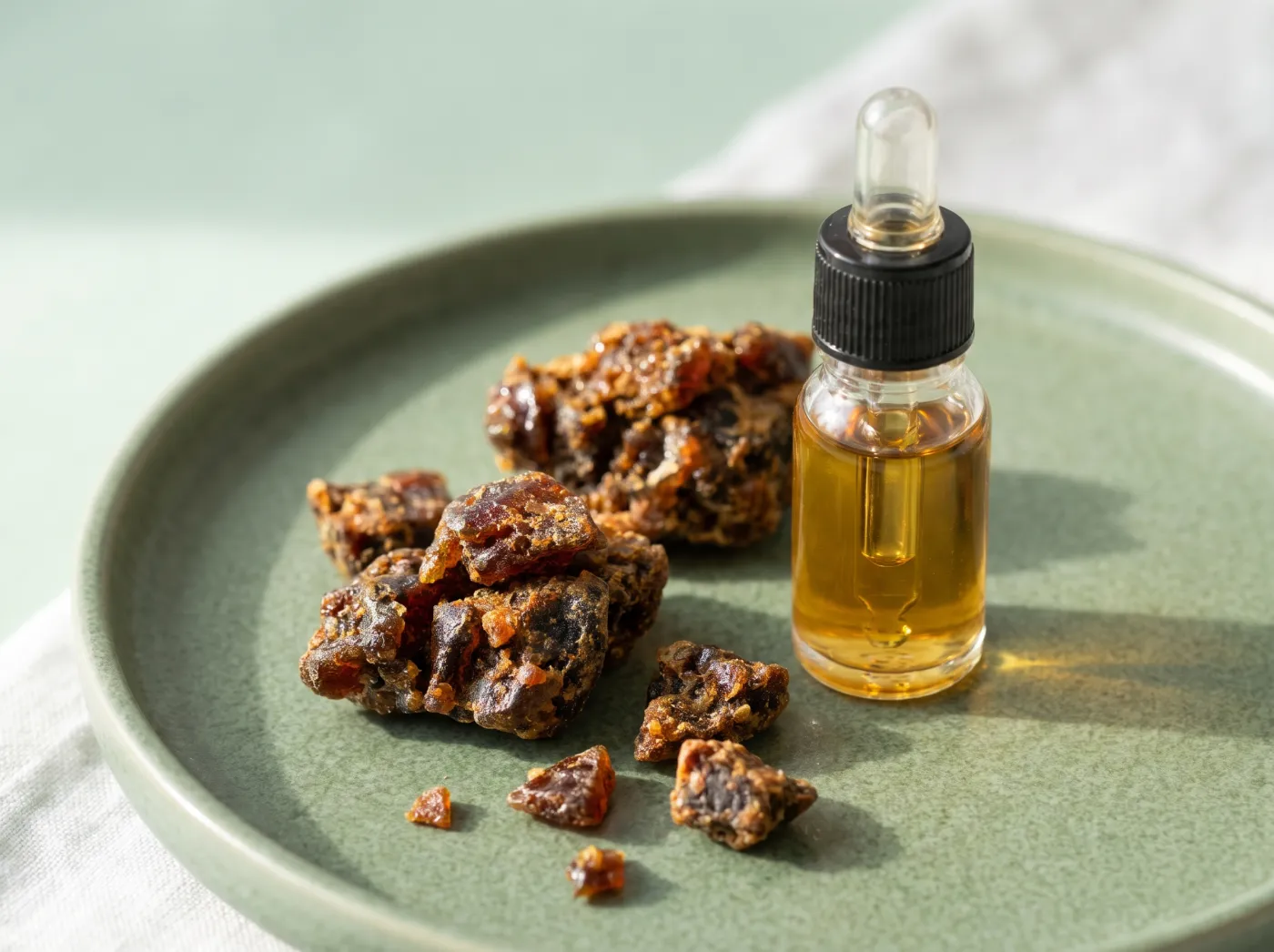
Raw propolis in macro view, golden brown resin on a sage green ceramic surface, raking light

Propolis at a glance

Entry from our cosmetic ingredient glossary. Regulatory data from the European Commission's CosIng database10. Copy the identifiers in one click for your files.

INCI name
PROPOLIS EXTRACTCosIng describes an extract of propolis wax. PROPOLIS WAX (CAS 9009-62-5 and 85665-41-4) and hydrolyzed or fermented extracts also exist and should be told apart in the INCI list10
Other names
Propolis extractBee glue17
CAS number
85665-41-4
EC number
288-130-6
Origin
Resin collected by beesResinous substance that bees make from plant resins and exudates to seal the hive. Botanical and geographic origin changes the composition57
Composition
More than 300 compounds identifiedPhenolic compounds, aromatic acids, essential oils, waxes, amino acids7. Flavonoids cited include chrysin, apigenin, kaempferol, quercetin, galangin, pinocembrin and naringenin8
CosIng functions
Skin conditioning"Skin conditioning"10
EU status
No restriction specific to the ingredientAbsent from Annexes II to VI of Regulation (EC) 1223/2009 consolidated at May 1, 202511
Allergen to declare
No, as a fragrance allergenAbsent from Regulation (EU) 2023/1545 and the consolidated Annex III11. It is nonetheless a known contact allergen: see the research section14
Identified allergens
Caffeic acid esters3-methyl-2-butenyl caffeate and phenylethyl caffeate are the main allergens; benzyl salicylate and benzyl cinnamate are less frequent sensitizers4
Safety
No CIR or SCCS assessment foundWe did not find an official opinion specific to cosmetic propolis

What the research says

Each result shows the protocol and the level of evidence. The higher the level, the better the result carries over to a finished formula.

Clinical trialReview or consensusLaboratory

Composition and raw materialChemistry

A complex and variable material

Review
2019 reviewComposition and properties

More than 300 compounds have been identified, including phenolic compounds, aromatic acids, essential oils, waxes and amino acids. Biological properties depend on the composition, and therefore on the source plants, the geographic area and the season7.

Flavonoids, the compounds studied

Review
2020 reviewHive products in dermatology and skin care

The biological properties of hive products are linked to their flavonoids (chrysin, apigenin, kaempferol, quercetin, galangin, pinocembrin, naringenin). The article is a synthesis with no trial protocol of its own8.

Propolis origin changes the allergic reaction

Clinical trial
1,470 consecutive peopleDenmark, Lithuania, SpainPropolis from China, Lithuania, North America and Sweden

The frequencies of positive tests did not differ significantly by propolis origin. A test with a single type of propolis detects only about half of allergic people6.

SkinSkincare

Photoaging: a laboratory result

Laboratory
Human fibroblasts and ex vivo human skinPropolis extract, UV

The extract reduced UV-induced MMP-1 production in fibroblasts, and limited collagen breakdown in human skin tissue. Caffeic acid phenethyl ester, quercetin and apigenin are among the compounds that slow the PI3K enzyme in assays. This result says nothing about the effect of a cream9.

No controlled cosmetic trial retained

Review
2020 review

Reviews describe antioxidant and antimicrobial properties of hive products, mostly from the lab. Our searches found no controlled trial of propolis on healthy skin with cosmetic measurements: the cosmetic benefit remains poorly demonstrated8.

Tolerance and contact allergyDermatology

A known sensitizer, found in so-called "natural" products

Review
2005 reviewPatch tests

Between 1.2 and 6.6% of people tested react to propolis. It is found in lip balms, cosmetics, lotions, ointments, shampoos, conditioners and toothpastes. The authors recommend considering it in users of these products4.

6.2% reactions in Genoa, 0.9% in Malmö

Clinical trial
2023257 people in Genoa, 329 in MalmöPropolis at 10% in petrolatum

In Genoa, 16 people out of 257 (6.2%) reacted, including 13 (5.1%) to Brazilian propolis. With Chinese propolis, the frequency is low: 0.4% in Genoa (one person) and 0.9% in Malmö (3 out of 329)5.

Very few cosmetics contain it in Europe

Review
2026 review and survey500 cosmetics

None of the 500 cosmetics in the survey listed propolis. The authors conclude it is rarely, if ever, used in conventional cosmetics on the European market, and therefore unlikely to be a source of exposure. The link with beeswax is inconsistent from one study to the next: occasional cross-reactions exist, mostly with lip balms3.

Many reactions may be cross-reactions with fragrance

Review
2013-2025 update

The authors judge that propolis is present in few cosmetics, which are an uncommon cause of sensitization. In their view, most positive tests could be cross-reactions or pseudo-cross-reactions in people already sensitized to fragrances. They ask that the origin of the propolis used in tests always be specified2.

A general review of adverse effects

Review
2013 review

The review covers properties, uses, composition and contact allergy (sensitizing potential, products involved, cross-reactions, allergens) as well as other adverse effects1.


This page summarizes published literature on a cosmetic ingredient. It does not describe the effect of a finished product, which depends on its formula, and it is not medical advice. Any industry funding is indicated in the sources. Propolis is mostly studied as a health product; this page retains only what concerns composition, skin and skin tolerance.

Which products use propolis?

Our white label catalog includes 1 formula with propolis, always as a supporting ingredient. Every category can be customized (formula, fragrance, packaging).

1Face

Present as a supporting ingredient (propolis extract) in a retinol night cream in the catalog; no formula makes it the key active.

In our formulas, it is most often paired with

Glycolic acid 1Lactobionic acid 1Shea butter 1Bisabolol 1Gluconolactone 1

Frequently asked questions about propolis

What is propolis in cosmetics?
It is a resinous substance that bees make from plant resins to seal the hive17. In cosmetics, a propolis extract is used, INCI name PROPOLIS EXTRACT, classed by CosIng as a skin conditioning agent10. Its composition varies with origin7.
What are the benefits of propolis for skin?
Reviews attribute antioxidant and antimicrobial properties to it, linked to its flavonoids8. In the lab, an extract reduced UV-induced MMP-1 production in fibroblasts9. We did not retain any controlled cosmetic trial in volunteers: the cosmetic benefit is therefore poorly demonstrated.
Is propolis an allergen?
Yes, it is a known contact allergen. According to a review, 1.2 to 6.6% of people tested are sensitive to it4. In a 2023 study, 6.2% of people in Genoa reacted, mostly to Brazilian propolis, versus 0.9% of people in Malmö with Chinese propolis5. A formula containing it must be tested and the risk explained to the brand.
What are the allergens in propolis?
The main ones are 3-methyl-2-butenyl caffeate and phenylethyl caffeate. Benzyl salicylate and benzyl cinnamate are less frequent sensitizers4.
Is propolis regulated in cosmetics in the EU?
No restriction is specific to it: it is absent from Annexes II to VI of Regulation (EC) 1223/2009 consolidated at May 1, 202511. It is not on the fragrance allergen list of Regulation (EU) 2023/1545 either11. It must be listed under its INCI name.


Does beeswax contain propolis?
A 2026 review judges the link inconsistent from one study to the next: occasional cross-reactions exist, mostly with lip balms. The authors conclude that people allergic to propolis do not have to avoid all cosmetics containing beeswax3.
Can you manufacture a propolis product for my brand?
Our ISO 22716 certified lab has 1 catalog formula with a propolis extract (a retinol night cream) that you can customize, or a custom formula. Samples are free. We discuss the allergy risk with you before the choice is made.

Sources

Peer-reviewed studies and official regulatory sources, checked on November 3, 2026.

  1. de Groot AC. Propolis: a review of properties, applications, chemical composition, contact allergy, and other adverse effects Dermatitis. 2013;24(6):263-82. doi:10.1097/DER.0000000000000011
  2. de Groot A, Rustemeyer T. Contact Allergy to Propolis: Update 2013-2025 Dermatitis. 2026;37(4):563-588. doi:10.1177/17103568251392243
  3. de Groot AC, Ipenburg NA, Rustemeyer T. Propolis and Beeswax in Cosmetics: A Market Survey and Literature Review on Their Relationship and Role in Allergic Contact Dermatitis Contact Dermatitis. 2026;94(5):494-503. doi:10.1111/cod.70108
  4. Walgrave SE, Warshaw EM, Glesne LA. Allergic contact dermatitis from propolis Dermatitis. 2005;16(4):209-15. PMID 16536336
  5. Antelmi A, Trave I, Gallo R, et al.. Prevalence of Contact Allergy to Propolis-Testing With Different Propolis Patch Test Materials Contact Dermatitis. 2025;92(5):349-357. doi:10.1111/cod.14773
  6. Nyman GSA, Giménez-Arnau AM, Grigaitiene J, et al.. Patch Testing with Propolis of Different Geographical Origins in a Baseline Series Acta Derm Venereol. 2021;101(11):adv00591. doi:10.2340/actadv.v101.423
  7. Anjum SI, Ullah A, Khan KA, et al.. Composition and functional properties of propolis (bee glue): A review Saudi J Biol Sci. 2019;26(7):1695-1703. doi:10.1016/j.sjbs.2018.08.013
  8. Kurek-Górecka A, Górecki M, Rzepecka-Stojko A, et al.. Bee Products in Dermatology and Skin Care Molecules. 2020;25(3):556. doi:10.3390/molecules25030556
  9. Kim DH, Auh JH, Oh J, et al.. Propolis Suppresses UV-Induced Photoaging in Human Skin through Directly Targeting Phosphoinositide 3-Kinase Nutrients. 2020;12(12):3790. doi:10.3390/nu12123790
  10. European Commission. CosIng, entry PROPOLIS EXTRACT (CAS 85665-41-4, EC 288-130-6). ec.europa.eu/growth/tools-databases/cosing
  11. Regulation (EC) No 1223/2009 of the European Parliament and of the Council of 30 November 2009 on cosmetic products, consolidated version of May 1, 2025. eur-lex.europa.eu
Carmel Cosmetics Labs product specialist with a brand founder

Tell us about your project

A product specialist reviews your request and gets back to you on the channel you prefer.

Lead EN – Demande de devis
Tell us about your project. A product specialist will get back to you shortly.
CONTACT INFORMATION
Name
PROJECT INFORMATION
Which cosmetics category interests you most?

By submitting this form, you agree to our terms of service and privacy policy.

No obligation. Your information stays confidential and is used only to prepare your quote.