











































Less melanin in a human skin model
LaboratoryMelanin synthesis falls to 76% of that of control cells, and to 40% on the skin model, with no toxicity to the cells. These are lab results, not a demonstrated effect on living skin4.
Services
Catalog
Explore the full catalog1,000+ formulas ready to carry your brandFace careFull range
Serums, creams and targeted care, formulated with your actives.
Hair careFull range
From shampoo to leave-in, for every hair type.
Body careFull range
Moisturizing, nourishing and shower care: cream, butter or oil.
Hammam and naturalFull range
Black soap, argan and authentic Moroccan rituals.
Specialty careFull range
Sun care, lips, intimate care and oral care.
Industries
All solutions by industryFormulas and formats for your businessHospitality and wellness
Brands and creators
Our brands
Our own brands, developed and made in our laboratory.
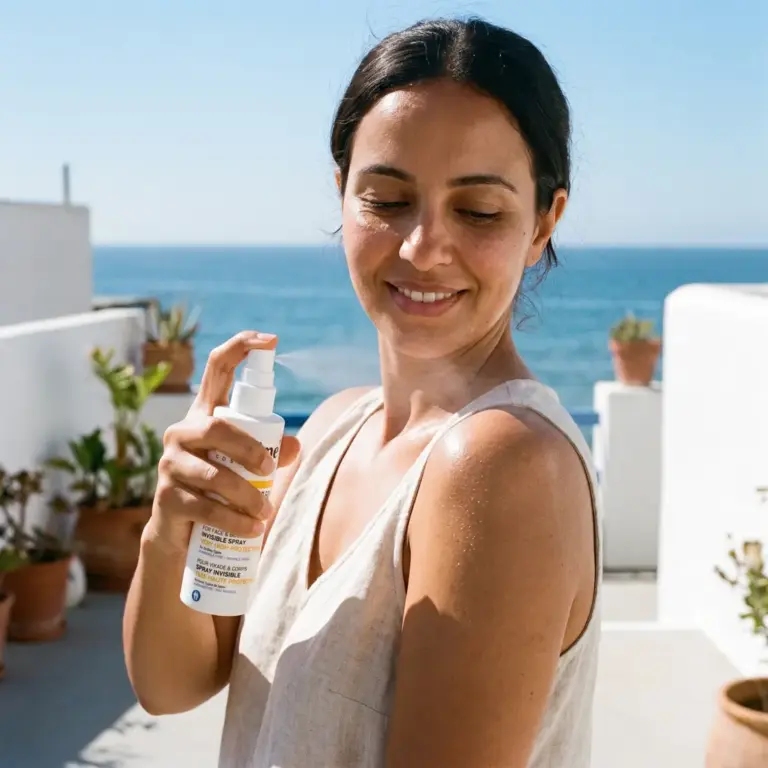
 DermocosmeticsSublime CosmeticsFace, sun and body care for pharmacies and drugstores.Visit the website
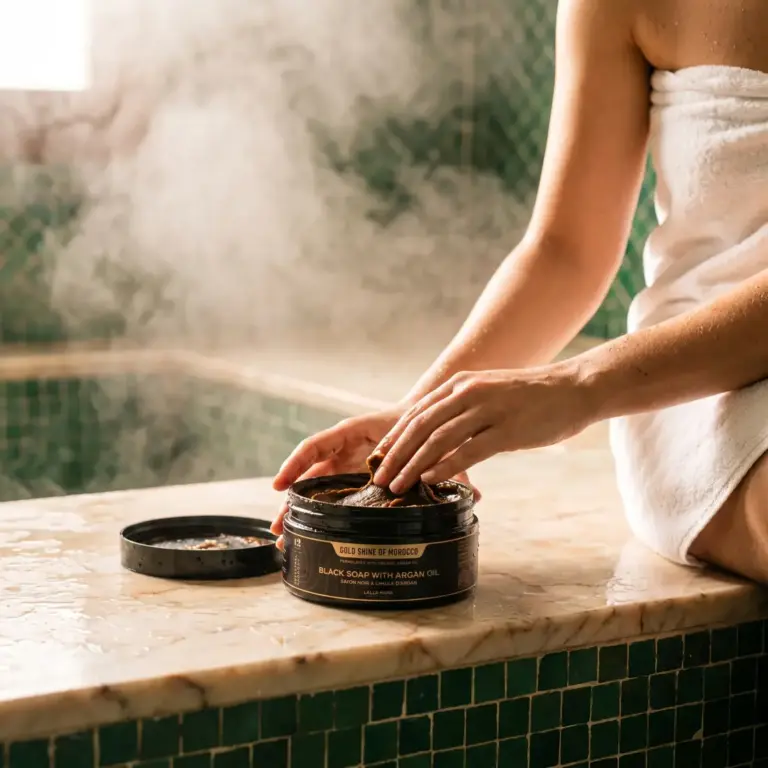
 Hammam and spaLalla MamaMoroccan hammam rituals: black soap, rhassoul, oils and body care.Visit the website
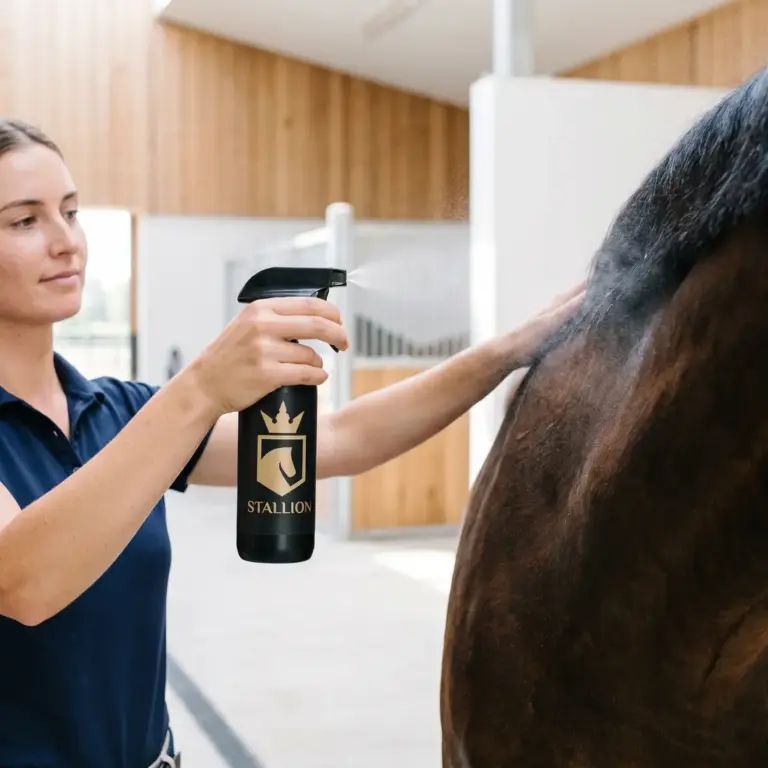
 Equine careStallionGrooming care for horses: mane, coat and hooves.Visit the website
Laboratory
 Our factory in Aït MelloulISO 22716 and ISO 9001, visits by appointmentDiscover the factory
Cosmetics manufacturer based in Agadir
500+ brands35+ countries1,000+ formulas
Our factory in Aït Melloul
Up to 3 million units a yearVisits by appointment
Contract manufacturing, step by step
RegulationsCostsProject steps
Join our teams in Agadir
FormulationProductionQualityRegulatorySales
Resources
Alpha-arbutin is a hydroquinone glycoside obtained by enzymatic synthesis3. In the lab, it slows melanin formation4, more strongly than beta-arbutin on human tyrosinase5. Clinical evidence remains thin. The EU limits it to 2% in face cream and 0.5% in body lotion2.
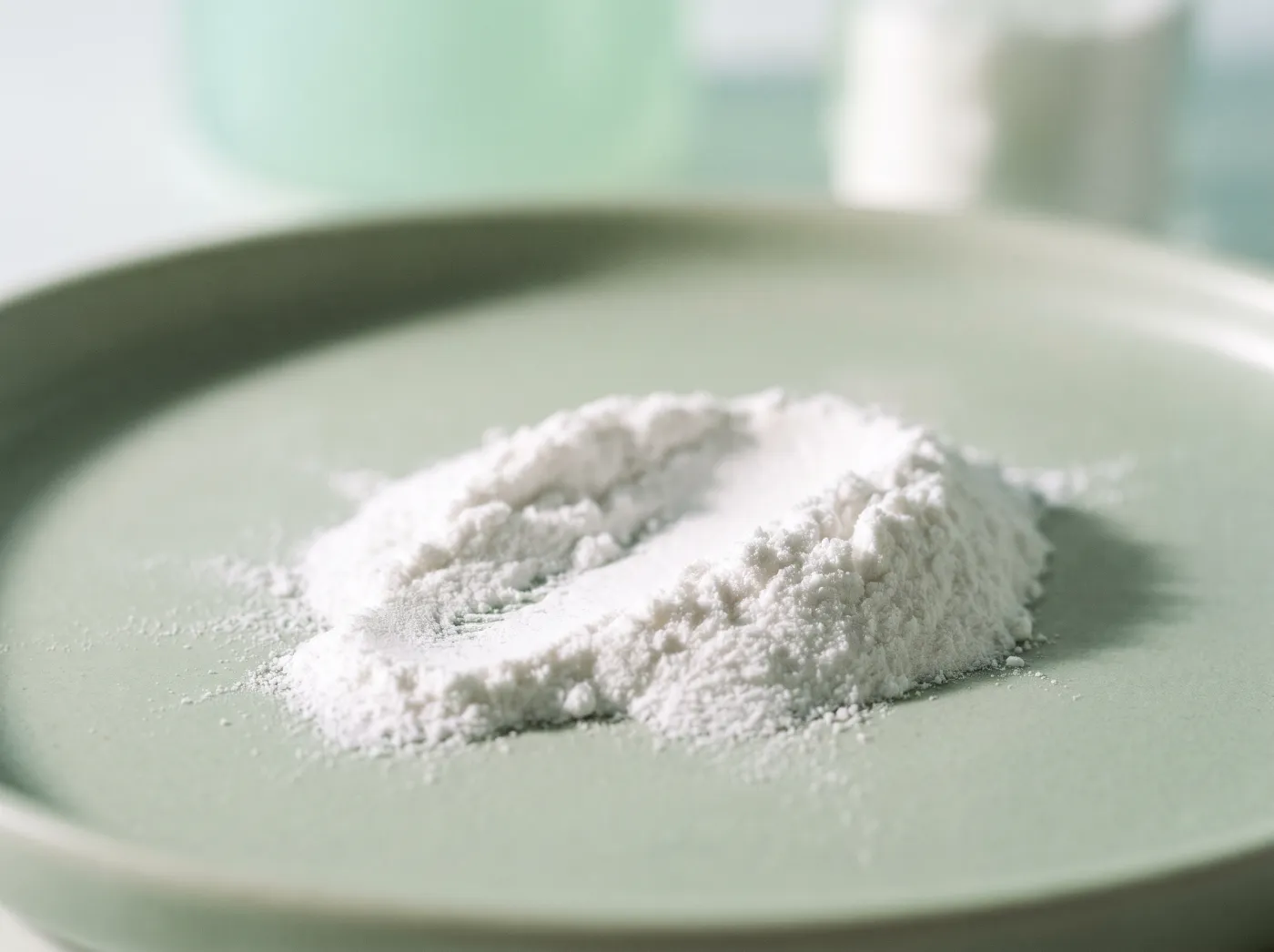
Entry from our cosmetic ingredient glossary. Data from the European Commission's CosIng database1, Regulation (EU) 2024/9962 and the opinion of the SCCS scientific committee3. Copy the identifiers in one click for your files.
Each result shows the protocol and the level of evidence. The higher the level, the better the result carries over to a finished formula.
Melanin synthesis falls to 76% of that of control cells, and to 40% on the skin model, with no toxicity to the cells. These are lab results, not a demonstrated effect on living skin4.
On human tyrosinase, the inhibition constant of alpha-arbutin is 20 times lower than that of arbutin: the inhibition is stronger5. On mouse melanoma tyrosinase, it is about 10 times more active (IC50 of 0.48 mM) but does not inhibit mushroom tyrosinase: the result depends on the enzyme tested6.
The formulation improves the melanin index, hydration and elasticity of the skin. The abstract gives neither the sample size nor the values, and the formula is experimental: the effect of alpha-arbutin alone is not isolated7.
The committee judges alpha-arbutin safe at these levels, including when used together, and cumulative exposure with arbutin without risk. Hydroquinone must remain at the level of unavoidable traces3. Regulation (EU) 2024/996 adopts these limits2.
Total skin absorption reaches 0.27 ± 0.13% of the dose. The SCCS uses 0.53% in its calculations and notes the low number of donors3.
Arbutin and its derivatives, kojic acid and nicotinamide were developed as cosmetic alternatives to medical agents with side effects9. A 2021 review considers that quality trials, on larger samples, are still needed to confirm the efficacy and safety of alpha-arbutin8.
This page summarizes published literature on a cosmetic ingredient. It does not describe the effect of a finished product, which depends on its formula, and it is not medical advice. Evidence on alpha-arbutin comes mostly from lab studies; clinical trials on healthy skin are rare and the published studies often cover medical uses, which we do not report. Several studies were run by industry; this is indicated in the sources.
Our white label catalog includes 2 formulas with alpha-arbutin: the key active in 2 of them, a supporting ingredient in the others. Every category can be customized (formula, fragrance, packaging).
Key active, with kojic acid, of the catalog's dark spot serum and cream.
Four actives often compared for evening out skin tone. They do not exclude each other: our dark spot serum and cream combine alpha-arbutin, kojic acid and niacinamide.
| Alpha-arbutin | Arbutin (beta) | Kojic acid | Niacinamide | |
|---|---|---|---|---|
| Origin | Enzymatic synthesis3 | Found in many plants3 | Not covered here | Vitamin B3 |
| EU regulation | Restricted: 2% in face cream, 0.5% in body lotion2 | Restricted: 7% in face cream2 | Restricted: 1% for face and hands2 | No restriction |
| Human tyrosinase | Stronger inhibition than beta5 | Weaker inhibition than alpha5 | Not compared in these studies | Different mode of action: see the niacinamide page |
| Point of caution | Hydroquinone at the level of unavoidable traces3 | Releases hydroquinone at pH 3 or below3 | Concentration limit in Annex III2 | See the niacinamide page |
Peer-reviewed studies and official regulatory sources, checked on November 2, 2026.
A product specialist reviews your request and gets back to you on the channel you prefer.