











































An oil almost pure in linalool
LaboratoryLinalool makes up 93.6% of the oil3. In the pau-rosa leaf oil analyzed in another study, it makes up 88.6%4.
Services
Catalog
Explore the full catalog1,000+ formulas ready to carry your brandFace careFull range
Serums, creams and targeted care, formulated with your actives.
Hair careFull range
From shampoo to leave-in, for every hair type.
Body careFull range
Moisturizing, nourishing and shower care: cream, butter or oil.
Hammam and naturalFull range
Black soap, argan and authentic Moroccan rituals.
Specialty careFull range
Sun care, lips, intimate care and oral care.
Industries
All solutions by industryFormulas and formats for your businessHospitality and wellness
Brands and creators
Our brands
Our own brands, developed and made in our laboratory.
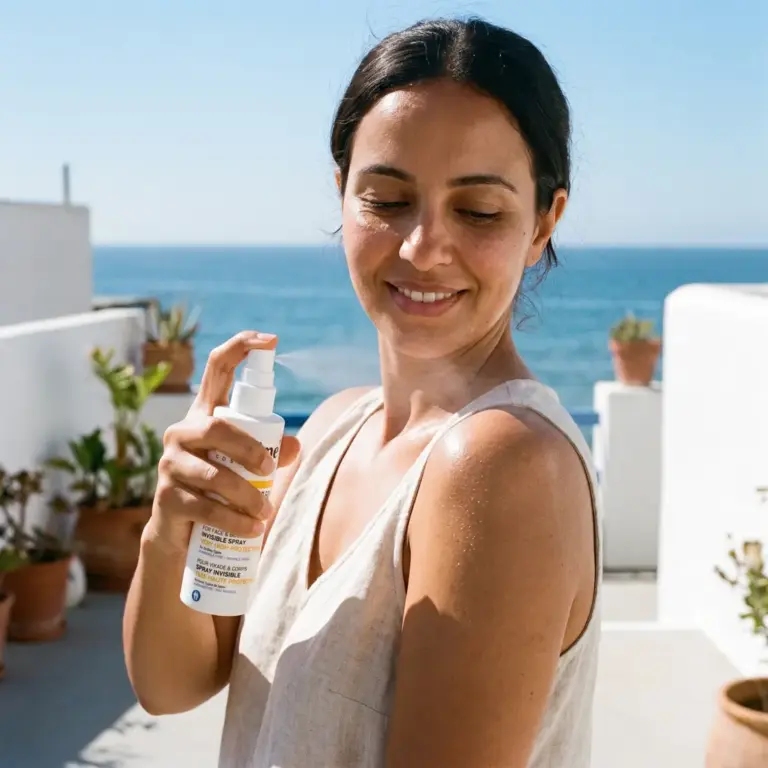
 DermocosmeticsSublime CosmeticsFace, sun and body care for pharmacies and drugstores.Visit the website
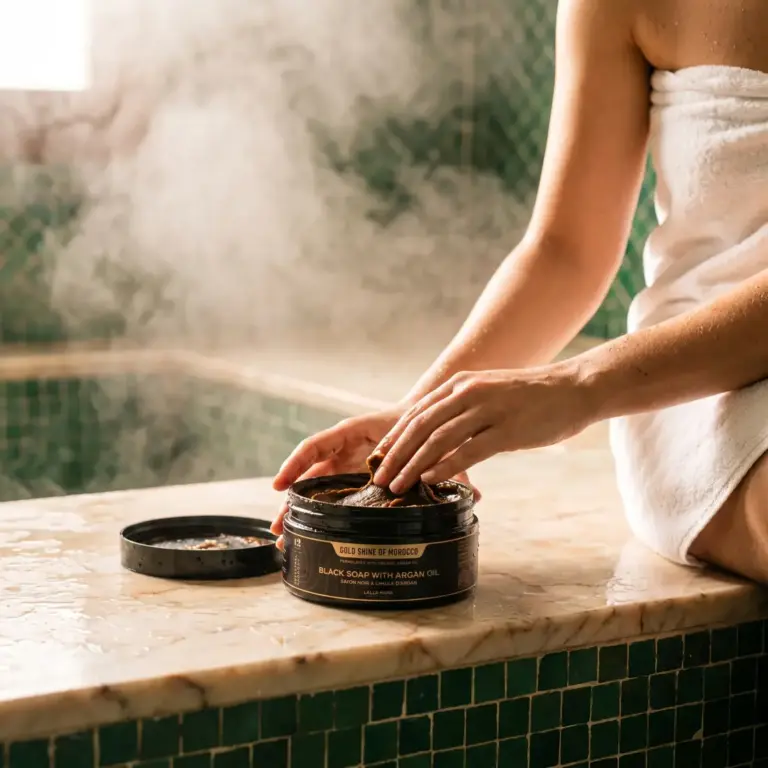
 Hammam and spaLalla MamaMoroccan hammam rituals: black soap, rhassoul, oils and body care.Visit the website
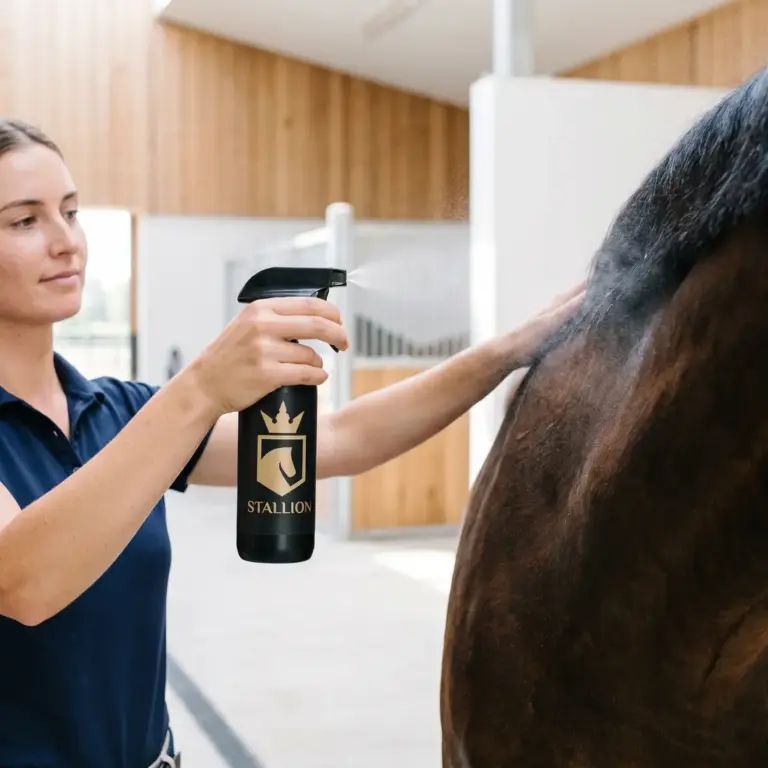
 Equine careStallionGrooming care for horses: mane, coat and hooves.Visit the website
Laboratory
 Our factory in Aït MelloulISO 22716 and ISO 9001, visits by appointmentDiscover the factory
Cosmetics manufacturer based in Agadir
500+ brands35+ countries1,000+ formulas
Our factory in Aït Melloul
Up to 3 million units a yearVisits by appointment
Contract manufacturing, step by step
RegulationsCostsProject steps
Join our teams in Agadir
FormulationProductionQualityRegulatorySales
Resources
Rosewood essential oil comes from Aniba rosaeodora, a tree of the Lauraceae family1. It is composed overwhelmingly of linalool (93.6% in one oil studied)3, a fragrance allergen named in Annex III2. The tree is described as endangered after decades of extraction7: the origin of the material is an essential buying point.
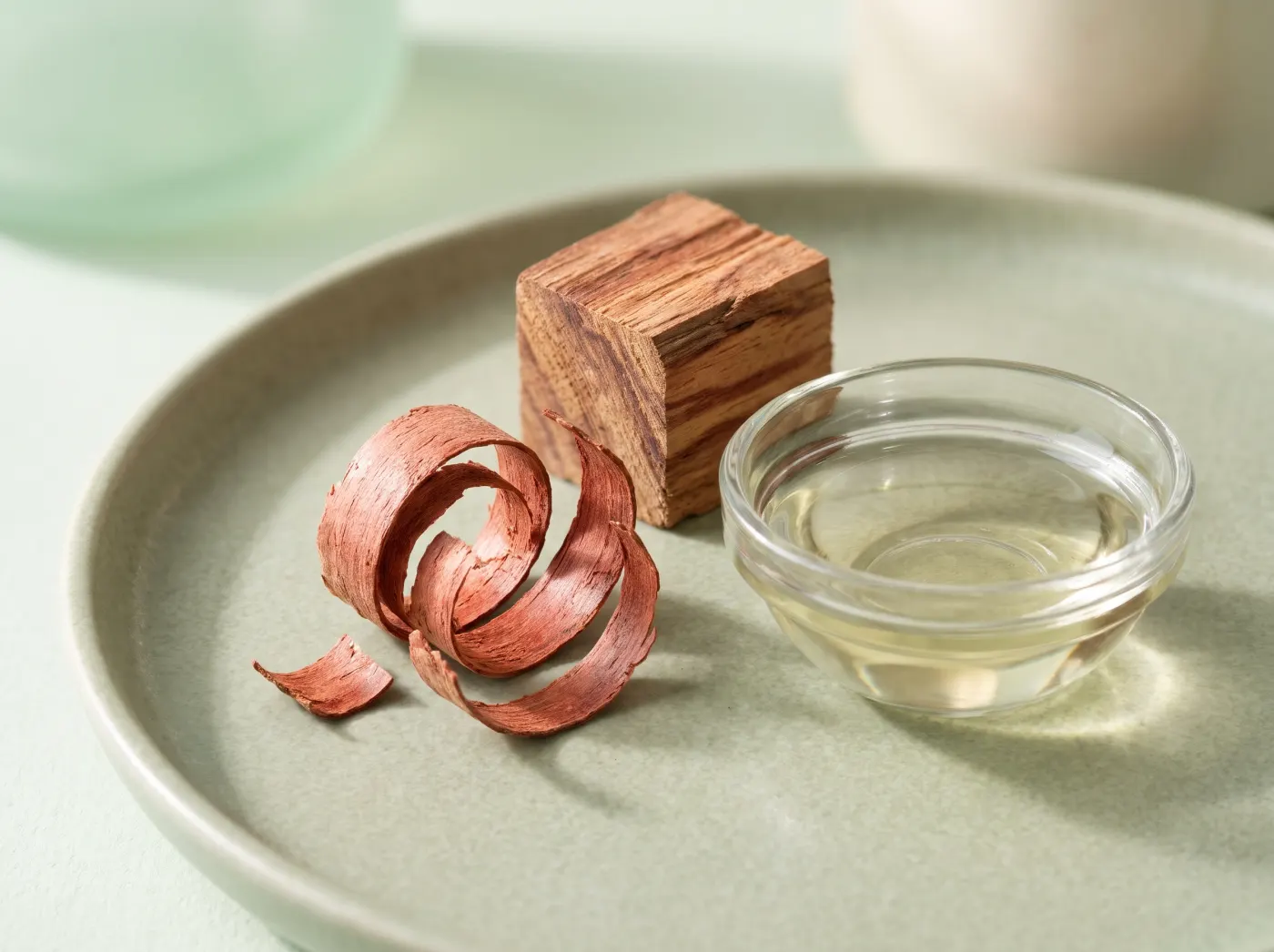
Entry from our cosmetic ingredient glossary. Regulatory data from the European Commission's CosIng database1 and from consolidated Regulation (EC) 1223/20092. Copy the identifiers in one click for your files.
Each result shows the protocol and the level of evidence. The higher the level, the better the result carries over to a finished formula.
Linalool makes up 93.6% of the oil3. In the pau-rosa leaf oil analyzed in another study, it makes up 88.6%4.
The oils of four Aniba species differ in their chemistry: 1-nitro-2-phenylethane (70.9 to 88.3%), linalool (15.2 to 75.3%), α-phellandrene and β-phellandrene. The compound family follows the genetics of the species5. The species must therefore be specified at purchase.
Aniba rosaeodora is described as an endangered Amazonian tree and a high-value non-timber forest resource6. After decades of predatory extraction, the species is judged at risk of extinction7.
Extracting the oil from the wood means felling the tree. Leaf oil is studied as a sustainable source: the analyses conclude that leaves can replace wood to obtain natural rosewood linalool87.
Linalool hydroperoxides give 483 positive tests (8.8%). Many reactions were weak, doubtful or irritant: the authors point to a risk of false positives9. A review considers adding them to the European baseline series justified, with exposure thresholds still to be better defined10.
The data above concern linalool, not rosewood oil. We found no published sensitization test on this oil: its linalool content means the formula must be protected from oxidation.
The oil and linalool slow all the bacterial strains tested, with the lowest minimum concentration for S. aureus. To scavenge the ABTS radical, the EC50 is 15.46 µg/mL for the oil and 6.78 µg/mL for linalool. No cytotoxic effect on macrophages. This is a laboratory study: it says nothing about an effect on human skin3. We kept no cosmetic trial in humans.
This page summarizes published literature on a cosmetic ingredient. It does not describe the effect of a finished product, which depends on its formula, and it is not medical advice. Evidence is flagged by level: clinical trial, review or laboratory.
No formula in our white label catalog features rosewood oil yet. Our formulation lab can add it to a custom formula or to a catalog formula. Its common uses:
Facial care and scented waters with a rosy note, with attention to tolerance: the oil is mostly a fragrance ingredient.
Massage oils, soaps, care candles and body milks with a soft floral and woody note.
Scented leave-in care and hair oils; we found no published study on hair.
Four essential oils often compared for their floral or woody notes. Their chemistry differs, and so does their labeling status.
| Rosewood | Geranium | Ylang-ylang | Copaiba | |
|---|---|---|---|---|
| Dominant constituents | Linalool (93.6% in one oil studied)3 | β-citronellol (29.7%) and geraniol (14.6%) in one sample11 | Linalool, geranyl acetate, benzyl benzoate12 | β-caryophyllene (19.7 to 57.5% depending on the species)13 |
| Annex III | Oil not named; linalool named (line 84)2 | Oil named (line 364)14 | Oil named (line 347)14 | Oil not named; beta-caryophyllene named (line 332)14 |
Peer-reviewed studies and official regulatory sources, checked on November 3, 2026.

A product specialist reviews your request and gets back to you on the channel you prefer.