Services

Torn between two services?A project manager will guide you

Catalog

Explore the full catalog1,000+ formulas ready to carry your brand

Face careFull range

Serums, creams and targeted care, formulated with your actives.

Body careFull range

Moisturizing, nourishing and shower care: cream, butter or oil.

Specialty careFull range

Sun care, lips, intimate care and oral care.

Men, baby, makeupFull range

Shaving and beard, baby and mom, makeup.

Industries

All solutions by industryFormulas and formats for your business

Our brands

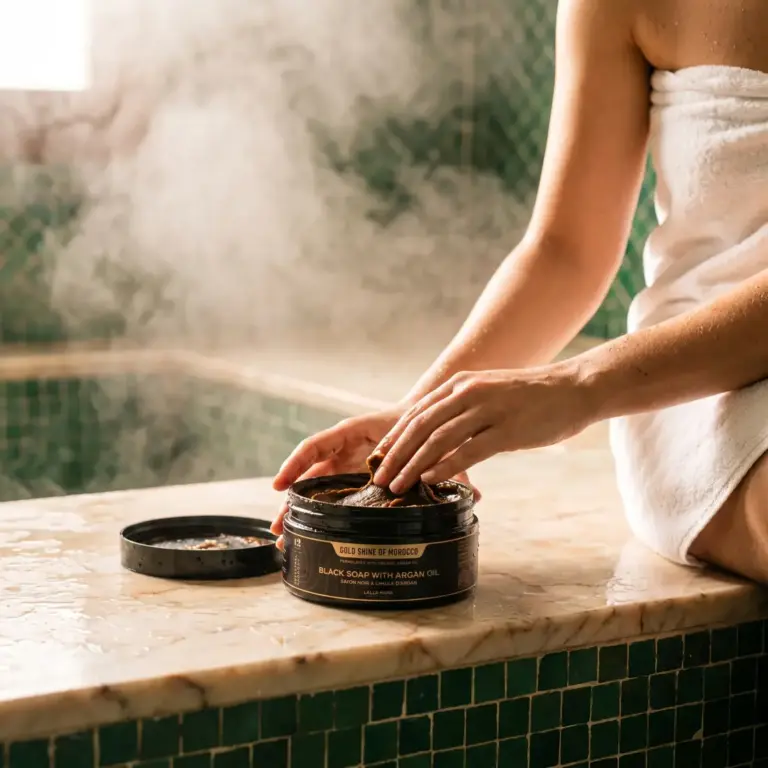
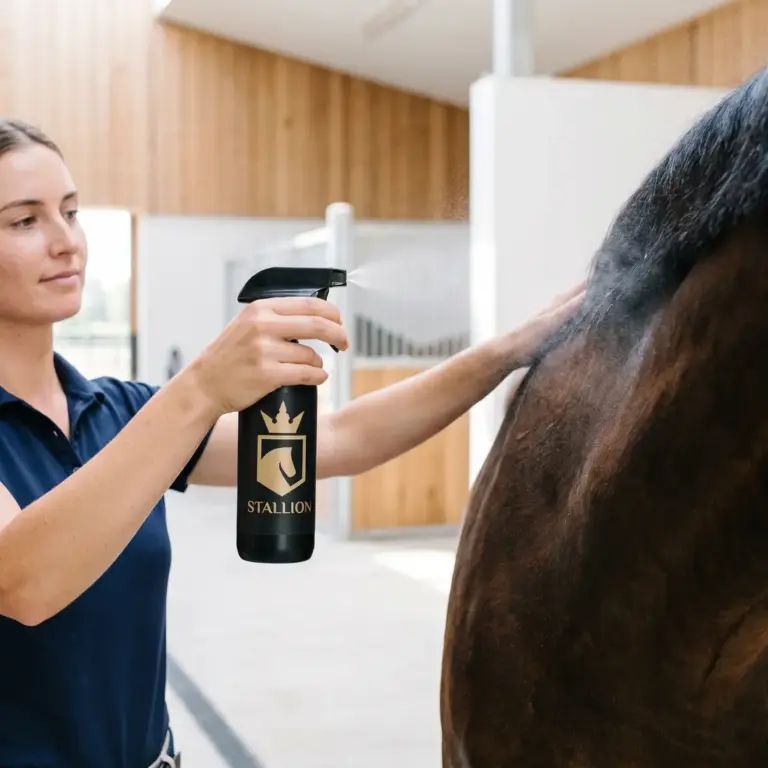
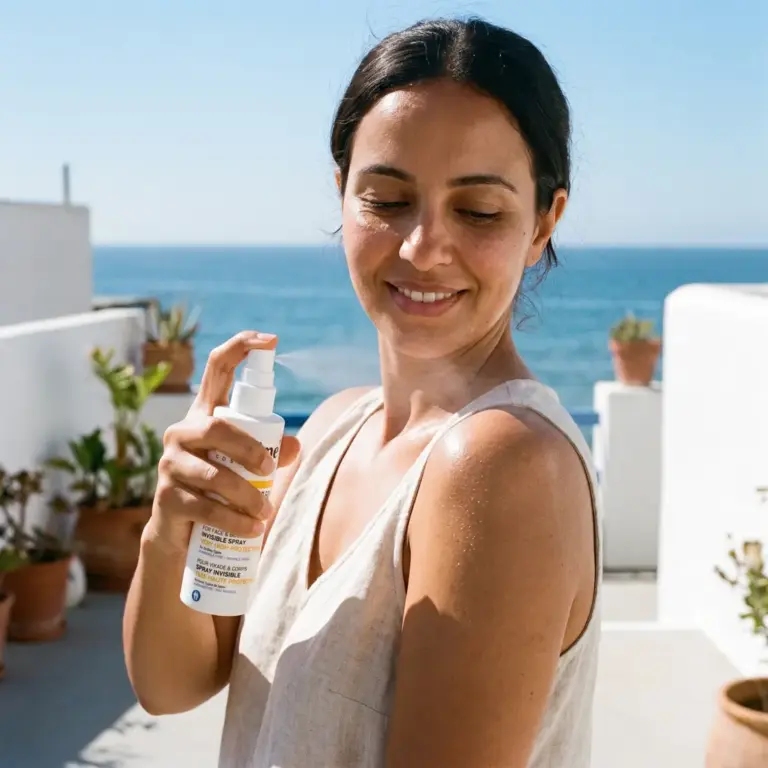
Our own brands, developed and made in our laboratory.
Become a distributor of our brandsPharmacies, spas, shops and wholesalers

Laboratory

Cosmetics manufacturing room with a row of stainless-steel mixers and an operator in white workwearOur factory in Aït MelloulISO 22716 and ISO 9001, visits by appointmentDiscover the factory

Resources

Lemon extract

Lemon extract (CITRUS LIMON FRUIT EXTRACT) is an extract of the fruit of Citrus limon1. Its INCI covers extracts of variable composition, not to be confused with lemon essential oil. The CIR judges citrus fruit extracts safe, leave-on and rinse-off, with at most 0.0015% (15 ppm) of 5-methoxypsoralen in leave-on products3.
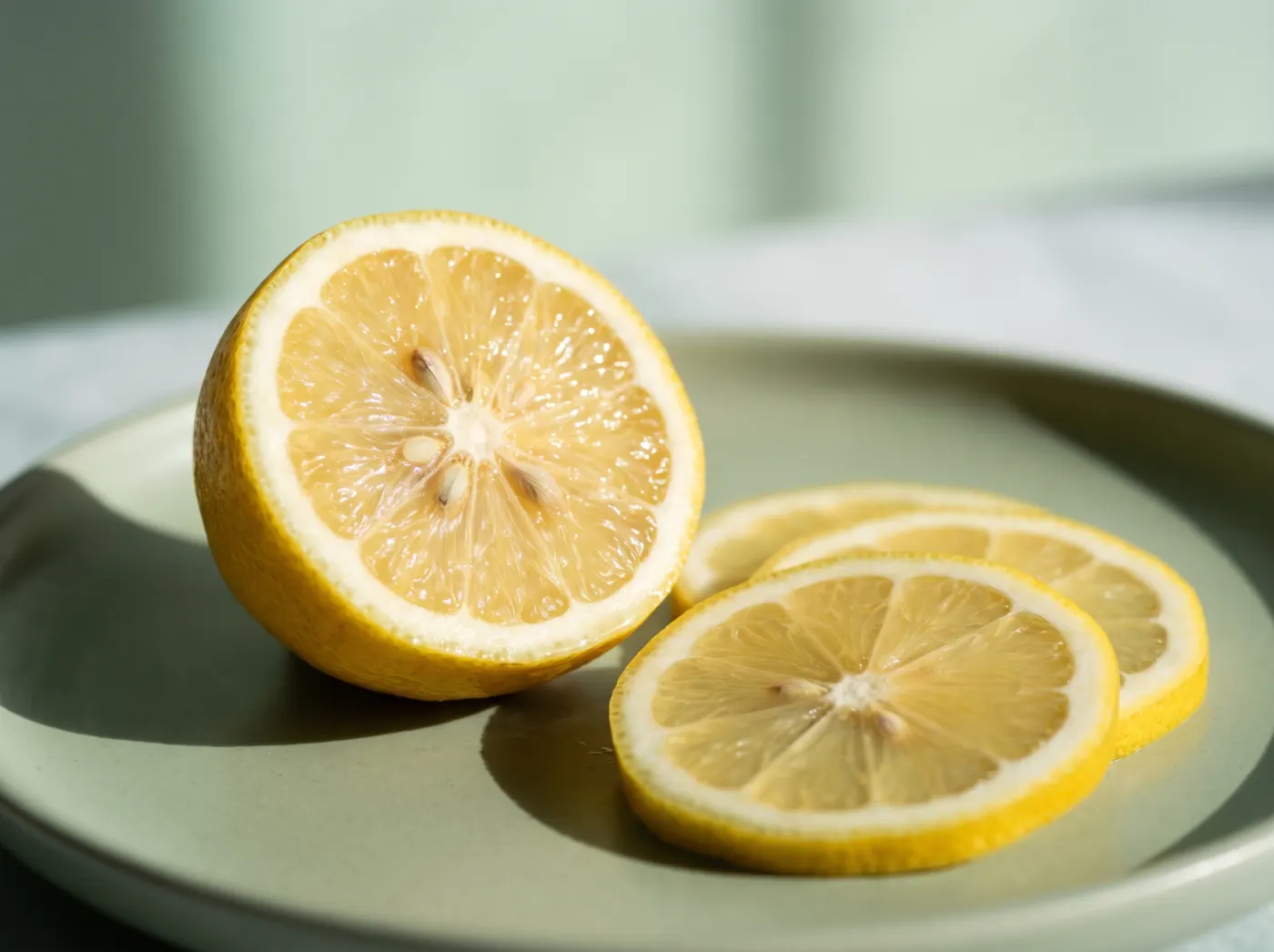
Lemon extract in macro view, clear material on a sage green ceramic surface, raking light

Lemon extract at a glance

Entry from our cosmetic ingredient glossary. Regulatory data from the European Commission's CosIng database1 and from consolidated Regulation (EC) No 1223/20092. Copy the identifiers in one click for your files.

INCI name
CITRUS LIMON FRUIT EXTRACTUS INCI name: CITRUS LIMON (LEMON) FRUIT EXTRACT1
Other names
Lemon extractLemon fruit extract. Not to be confused with the essential oil (CITRUS LIMON FRUIT OIL)1
CAS number
92346-89-9 / 84929-31-7 / 85085-28-5Three numbers for one INCI. CAS 84929-31-7 also appears at line 353 of Annex III, which covers the peel oil2
EC number
296-174-2 / 284-515-8 / 285-359-3In the order of the three CAS numbers above1
Botanical origin
Lemon (Citrus limon, Rutaceae)CosIng: extract of the fruit1
Composition
Varies with the extractCosIng sets no composition: the INCI covers any extract of the fruit, whatever the part used, solvent and process1
CosIng functions
Fragrance, skin conditioning"Fragrance", "Skin conditioning - miscellaneous" and "Skin conditioning - occlusive"1
EU status
Not named in Annex III under its INCIOnly the peel oil is named (line 353); as CAS 84929-31-7 is shared, check with the supplier whether your extract falls within this scope2. CosIng refers to Annex II, line 358 (furocoumarins)1
Photosensitization
Furocoumarins: Annex II, line 358Prohibited "except for normal content in the natural essences used"; below 1 mg/kg in sun protection and tanning products2
Safety
CIR assessments of citrus extractsFruit and peel ingredients judged safe in rinse-off and leave-on products, if the formula is non-sensitizing and non-irritating and if leave-on products contain at most 0.0015% (15 ppm) of 5-methoxypsoralen34

What the research says

Each result shows the protocol and the level of evidence. The higher the level, the better the result carries over to a finished formula.

Clinical trialReview or consensusLaboratory

Safety assessmentsToxicology

80 ingredients derived from citrus fruit

Review
2021 CIR reportRinse-off and leave-on products

The panel concludes the ingredients are safe if the formula is non-sensitizing and non-irritating, and if leave-on products contain at most 0.0015% (15 ppm) of 5-methoxypsoralen3.

47 ingredients derived from the peel

Review
2021 CIR reportRinse-off and leave-on products

Same conclusion for peel-derived ingredients: safe in current practices of use if non-sensitizing and non-irritating, with the same 15 ppm limit of 5-methoxypsoralen in leave-on products4.

Light and pigmentationPhotosensitization

Sudden pigmentation after contact with citrus fruit

Case reports
2 peopleContact with citrus fruit, then strong sunshine

A sudden, painless pigmentation appeared on the hand, with no prior redness. The authors point out that this can be the only sign of a reaction to furocoumarins, especially on dark skin. It concerns the whole fruit, not a cosmetic extract6.

The furocoumarins of lemon oil

Laboratory
Fractionation of lemon oils from several regions

Oxypeucedanin and bergapten explain almost all of the oil's phototoxicity, with contents varying more than 20-fold by origin7. A fruit extract does not have the same composition as an oil: ask the supplier for the contents.

Skin and UV radiationLaboratory

Lemon peel flavonoids and UVB radiation

Laboratory
Mice exposed to UVBLemon peel flavonoids, compared with vitamin C

The flavonoids increased catalase and superoxide dismutase activity in serum and lowered malondialdehyde and several cytokines, with a protective effect greater than vitamin C at equal concentration. This is an animal study on a flavonoid fraction (isomangiferin, rutin, astragalin, naringin, quercetin), not on a cosmetic extract5.

No cosmetic clinical trial retained

Review
2018 review of citrus oils

We retained no cosmetic clinical trial on lemon fruit extract. The 2018 review covers citrus essential oils, including lemon8. The evidence is weak: the extract is mostly used as a fragrance and a skin conditioning agent1.

This page summarizes published literature on a cosmetic ingredient. It does not describe the effect of a finished product, which depends on its formula, and it is not medical advice. Evidence is flagged by level: clinical trial, review or laboratory.

Which products can use lemon extract?

No formula in our white label catalog features lemon extract yet. Our formulation lab can add it to a custom formula or to a catalog formula. Its common uses:

Face

Fragrance and skin conditioning agent in lotions, masks and creams for normal to oily skin.

Body

Fragrance in shower gels, scrubs and body creams.

Hair

Fragrance in shampoos and hair rinses.

Lemon extract, lemon essential oil or other citrus extracts?

Three ingredients derived from lemon, which are neither declared nor controlled in the same way.

Lemon extractLemon essential oilPeel ingredients
INCICITRUS LIMON FRUIT EXTRACT1CITRUS LIMON FRUIT OILCitrus peel ingredients (47 assessed by the CIR)4
Annex III (allergens)Not named under its INCI; CAS 84929-31-7 shared with line 3532Oil named (line 353)2Depends on the ingredient
FurocoumarinsReference to Annex II, line 3581Documented phototoxicity7CIR limit: 15 ppm of 5-methoxypsoralen in leave-on products4

Frequently asked questions about lemon extract

What is lemon extract?
It is an extract of the fruit of the lemon, Citrus limon, registered under the INCI name CITRUS LIMON FRUIT EXTRACT1. Its composition depends on the part of the fruit, the solvent and the process. It is not the same as lemon essential oil, which has its own page.
What are the benefits of lemon extract for skin?
CosIng classifies it as a fragrance and a skin conditioning agent1. We retained no cosmetic clinical trial on the fruit extract: the only skin data cited is a mouse study on peel flavonoids exposed to UVB5.
Is lemon extract photosensitizing?
The fruit contains furocoumarins: two people developed pigmentation after contact with citrus fruit and sun exposure6. Annex II (line 358) allows furocoumarins at "normal content in the natural essences" and requires below 1 mg/kg in sun protection and tanning products2. For a leave-on product, the CIR retains at most 0.0015% (15 ppm) of 5-methoxypsoralen3. Ask the supplier for the contents of your extract.
Do I have to declare lemon extract as an allergen?
The extract is not named in Annex III under its INCI: only Citrus limon oil is (line 353). However, CAS 84929-31-7 is shared with that line2. Have your supplier and your safety assessor confirm whether the extract falls under line 353, and whether its named constituents exceed 0.001% leave-on or 0.01% rinse-off.
What is the difference between lemon extract and lemon essential oil?
The fruit extract (CITRUS LIMON FRUIT EXTRACT) has a variable composition1. The essential oil (CITRUS LIMON FRUIT OIL) is the volatile fraction of the fruit, named in Annex III (line 353)2: see our "Lemon essential oil" page. CosIng refers both to Annex II, line 3581.
Is lemon extract safe?
The CIR assessed 80 ingredients derived from citrus fruit and judges them safe in rinse-off and leave-on products, if the formula is non-sensitizing and non-irritating, with at most 15 ppm of 5-methoxypsoralen in leave-on products3. During pregnancy, as with any skincare product, a healthcare professional's advice remains the rule.
Can you manufacture a lemon extract product for my brand?
Yes. Our ISO 22716 certified lab can add a lemon extract to a catalog formula that you customize or to a custom formula, with furocoumarin control. Samples are free.

Sources

Peer-reviewed studies and official regulatory sources, checked on November 3, 2026.

  1. European Commission. CosIng, entry CITRUS LIMON FRUIT EXTRACT (CAS 92346-89-9 / 84929-31-7 / 85085-28-5, EC 296-174-2 / 284-515-8 / 285-359-3). ec.europa.eu/growth/tools-databases/cosing
  2. Regulation (EC) No 1223/2009 of the European Parliament and of the Council on cosmetic products, consolidated version of 1 May 2025 (Annexes II and III). eur-lex.europa.eu
  3. Burnett CL, Bergfeld WF, Belsito DV, Hill RA, Klaassen CD, Liebler DC, et al. Safety Assessment of Citrus Fruit-Derived Ingredients as Used in Cosmetics. Int J Toxicol. 2021;40:5S-38S. doi:10.1177/10915818211039806
  4. Burnett CL, Bergfeld WF, Belsito DV, Hill RA, Klaassen CD, Liebler DC, et al. Safety Assessment of Citrus Peel-Derived Ingredients as Used in Cosmetics. Int J Toxicol. 2021;40:77S-99S. doi:10.1177/10915818211032617
  5. Wang J, Bian Y, Cheng Y, Sun R, Li G. Effect of lemon peel flavonoids on UVB-induced skin damage in mice. RSC Adv. 2020;10(52):31470-31478. doi:10.1039/d0ra05518b
  6. Choi JY, Hwang S, Lee SH, Oh SH. Asymptomatic Hyperpigmentation without Preceding Inflammation as a Clinical Feature of Citrus Fruits-Induced Phytophotodermatitis. Ann Dermatol. 2018;30(1):75-78. doi:10.5021/ad.2018.30.1.75
  7. Naganuma M, Hirose S, Nakayama Y, Nakajima K, Someya T. A study of the phototoxicity of lemon oil. Arch Dermatol Res. 1985;278(1):31-36. doi:10.1007/bf00412492
  8. Dosoky NS, Setzer WN. Biological Activities and Safety of Citrus spp. Essential Oils. Int J Mol Sci. 2018;19(7):E1966. doi:10.3390/ijms19071966
Carmel Cosmetics Labs product specialist with a brand founder

Tell us about your project

A product specialist reviews your request and gets back to you on the channel you prefer.

Lead EN – Demande de devis
Tell us about your project. A product specialist will get back to you shortly.
CONTACT INFORMATION
Name
PROJECT INFORMATION
Which cosmetics category interests you most?

By submitting this form, you agree to our terms of service and privacy policy.

No obligation. Your information stays confidential and is used only to prepare your quote.