Services

Torn between two services?A project manager will guide you

Catalog

Explore the full catalog1,000+ formulas ready to carry your brand

Face careFull range

Serums, creams and targeted care, formulated with your actives.

Body careFull range

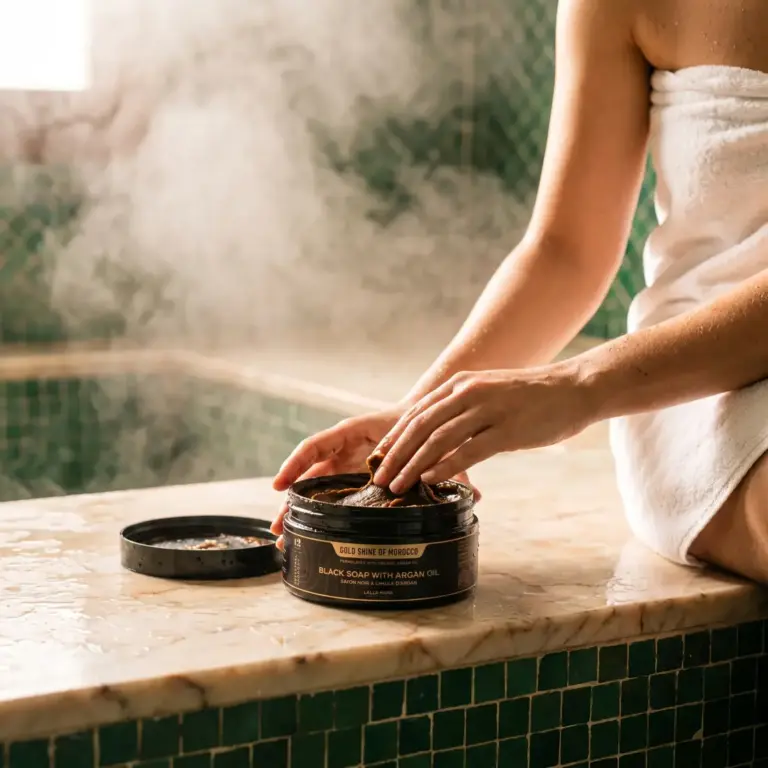
Moisturizing, nourishing and shower care: cream, butter or oil.

Specialty careFull range

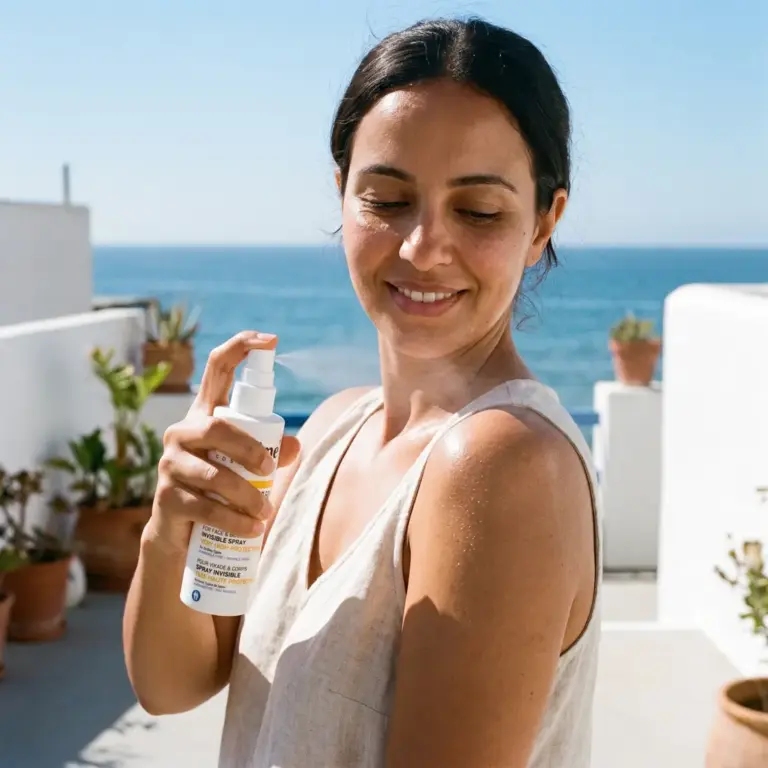
Sun care, lips, intimate care and oral care.

Men, baby, makeupFull range

Shaving and beard, baby and mom, makeup.

Industries

All solutions by industryFormulas and formats for your business

Our brands

Our own brands, developed and made in our laboratory.

Become a distributor of our brandsPharmacies, spas, shops and wholesalers

Laboratory

Cosmetics manufacturing room with a row of stainless-steel mixers and an operator in white workwearOur factory in Aït MelloulISO 22716 and ISO 9001, visits by appointmentDiscover the factory

Resources

Urea

Urea is a component of the natural moisturizing factor of the stratum corneum34. As a humectant, it hydrates skin up to 10%; above that, it has a keratolytic, meaning exfoliating, action3. The CIR panel judges it safe in cosmetics, noting that it can increase the penetration of other substances2.

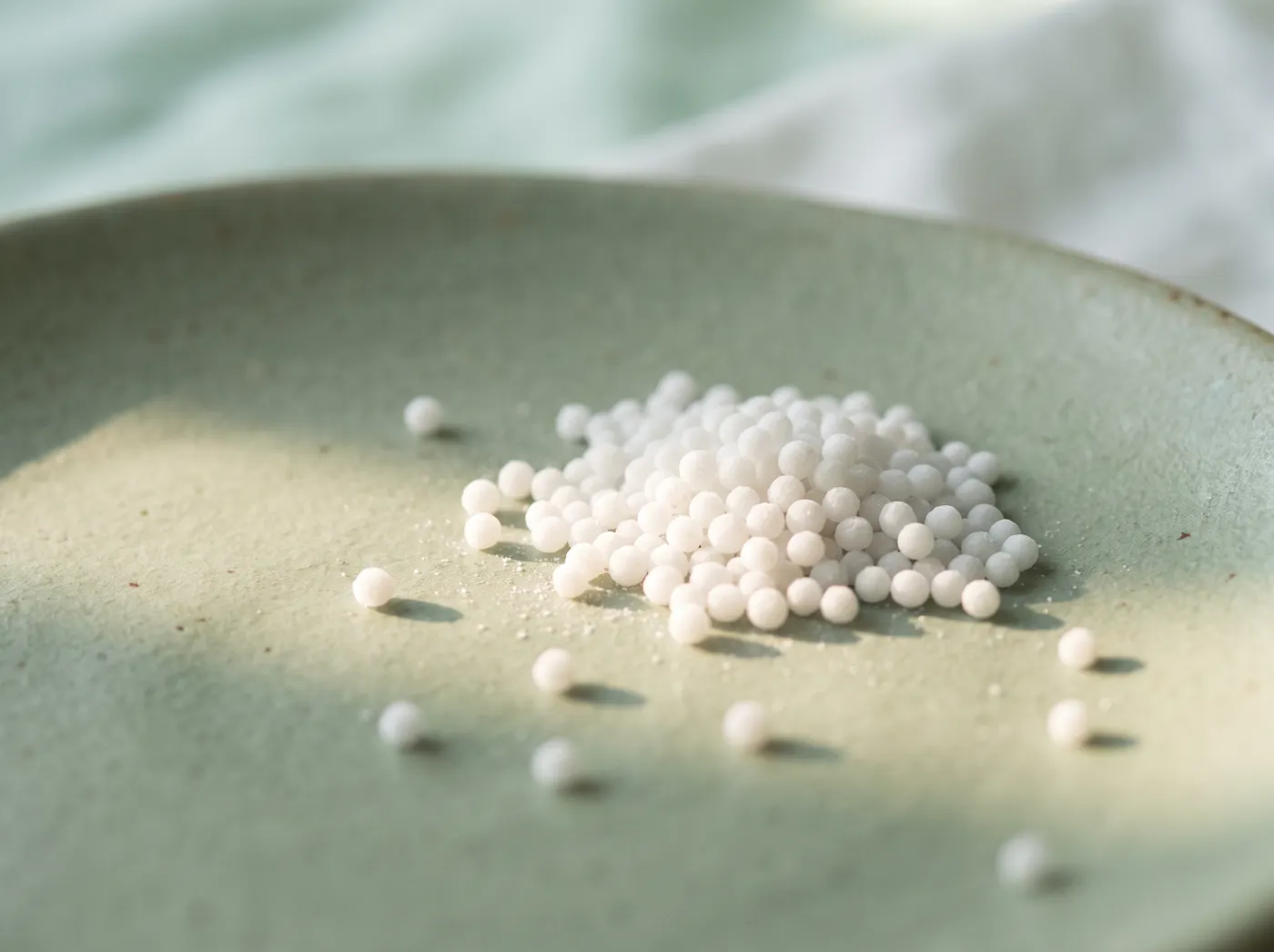
White urea crystals, macro view on a sage green ceramic surface

Urea at a glance

Entry from our cosmetic ingredient glossary. Regulatory data from the European Commission's CosIng database1, safety according to the CIR expert panel2. Copy the identifiers in one click for your files.

INCI name
UREA
Other names
CarbamideUreum (European Pharmacopoeia), urea
CAS number
57-13-6
EC number
200-315-5
Formula
CH₄N₂OMolar mass 60.06 g/mol
CosIng functions
Humectant, buffering, antistatic, skin conditioning"Humectant", "buffering", "antistatic" and "skin conditioning" in the European nomenclature1
Appearance
White crystalline solidSoluble in water, formulated in the water phase
EU status
No restrictionNot listed in the annexes of Regulation (EC) 1223/20091
Allergen to declare
No
Safety
Judged safe in cosmeticsCIR panel conclusion; it notes that urea can increase the penetration of other substances2

What the research says

Each result shows the protocol and the level of evidence. The higher the level, the better the result carries over to a finished formula.

Clinical trialReview or consensusLaboratory

Facial skinSkincare

On sensitive areas, favor low concentrations

Review
2020 review15 to 30% urea alone

At medium concentrations of 15 to 30%, urea has a humectant and keratolytic effect, but clinical evidence is limited. On the face, these higher concentrations can irritate: they are kept for less sensitive areas5.

BodyBodycare

Foot skin: 20% better hydrated than placebo

Clinical trial
5% and 20% cream60 subjects aged 20 to 35Randomized, placebo-controlled

The 20% cream hydrates more than placebo on every area studied. No difference between 5% and 20%, nor between 5% and placebo, except on one of the areas7.

Dry forearm skin: 5% and 10% comparable

Clinical trial
Hydrophilic petrolatum with 5% and 10%30 volunteers1 week, twice a day

A commercial product and a compounded preparation have a comparable effect on the barrier, measured against a control cream and an untreated area. The commercial product does slightly better on water loss at 4 h8.

Long term on normal skin: the cream composition matters

Clinical trial
Ordinary cream with 5% urea78 volunteers7 weeks, randomized

After 7 weeks, the 5% urea cream reduces water loss and reactivity to an irritant, unlike three simplified creams, one of them with 5% urea, and a lipid-free gel. The composition of the cream weighs as much as the urea9.

Foot skin: urea, the most studied active

Review
2017 systematic review22 studies

Urea is the most studied active, with 14 studies, ahead of ammonium lactate (7). Study quality is low to moderate: the review cannot recommend one active over another11.

What experts say and safetyDermatology

Humectant below 10%, keratolytic above

Review
2018 review

A component of the natural moisturizing factor, urea preserves skin hydration. Up to 10%, it acts as a moisturizer; above that, it has a keratolytic action. It also serves as a penetration enhancer3.

Barrier, antimicrobial defense and cell renewal

Review
2021 review

Urea acts on the expression of keratinocyte genes linked to their differentiation and to the production of antimicrobial peptides. Urea-based products are well tolerated, with mild adverse effects, more frequent at high concentration4.

Measuring the effect of urea

Review
2020 reviewWater loss, conductance, capacitance

Non-invasive measurements of stratum corneum function make it possible to quantify the hydrating effect of topical urea6.

Stinging: urea and salt against glycerin

Clinical trial
Cream with 4% urea and 4% salt, against cream with 20% glycerin197 participants with very dry, reactive skin30 days, double-blind

The effect on dryness is equivalent, but moderate or severe stinging affects 24% of users of the urea-salt cream against 10% for glycerin10.

Safe in cosmetics, with a point of caution

CIR assessment
CIR expert panel 20050.01 to 10% in use

The panel concludes that urea is safe as used in cosmetics. It notes that it can increase the absorption of other substances through the skin, and that a burning sensation is the most reported effect2.


This page summarizes published literature on a cosmetic ingredient. It does not describe the effect of a finished product, which depends on its formula, and it is not medical advice. Much of the literature on urea concerns very dry skin, or very dry and reactive skin: only hydration and comfort results are reported here. One review was carried out with a manufacturer; this is indicated in the sources.

Concentrations used in studies

The trials cited test urea at 4, 5, 10 and 20%. Up to 10%, the literature describes a hydrating effect; above that, a keratolytic effect3. The final concentration of a formula is set with the formulator, depending on the body area, the texture and the target tolerance.

Which products use urea?

Our white label catalog includes 8 formulas with urea: the key active in 2 of them, a supporting ingredient in the others. Every category can be customized (formula, fragrance, packaging).

4Face

Supporting humectant in face masks, the vitamin C cream and the scrub.

4Body

Key active in the nail and cuticle cream, supporting humectant in the shower oil, the body mask and the massage milk.

In our formulas, it is most often paired with

Panthenol 5Vitamin E 4Niacinamide 3Allantoin 2

Urea, glycerin or ammonium lactate?

Three humectants that come back in dry skin care. They can be combined in the same formula.

UreaGlycerinAmmonium lactate
Main roleHumectant of the natural moisturizing factor, keratolytic above 10%3Humectant12Humectant and keratolytic according to CosIng13
ToleranceModerate or severe stinging in 24% of users of a cream with 4% urea and 4% salt10Stinging in 10% of users of a cream with 20% glycerin10No data kept here
Studies on dry feet14 of 22 studies, the most studied active11No data kept here7 of 22 studies11
EU regulationNo restriction1No restriction12No restriction13

Frequently asked questions about urea

What is urea in cosmetics?
It is a component of the natural moisturizing factor of the stratum corneum34, used as a humectant. Below 10%, it hydrates; above, it exfoliates through a keratolytic action3. It appears on labels under the INCI name UREA.
What are the benefits of urea for skin?
It helps preserve stratum corneum hydration and supports the barrier, with a role in the skin's antimicrobial defense4. On feet, a 20% cream hydrated better than placebo7. Evidence remains mixed and depends on the formula9.
What percentage of urea should you choose: 5, 10 or 20%?
Up to 10%, the effect is hydrating; above, keratolytic3. On feet, 20% beat placebo while 5% was not always distinguishable from it7. Concentrations of 15 to 30% are used on limited areas5. The dose is decided with the formulator.
Is urea good for feet?
It is the most studied active on dry feet, with 14 of 22 studies, but their quality is low to moderate11. A 20% cream hydrates more than placebo on the sole of the foot7.
Can urea sting or irritate?
Stinging is reported, more often at high concentration4. In one study, 24% of users of a cream with 4% urea and 4% salt felt moderate or severe stinging, against 10% for a glycerin cream10. The CIR panel notes that burning is the most reported effect2.

Is urea suitable for the face?
Yes, at low concentration: urea is present in face masks, a cream and a face scrub in our catalog. At concentrations of 15 to 30%, it can irritate sensitive areas, the face included5.
Can you combine urea with other actives?
Yes, with attention to the formula: urea can increase the absorption of other substances through the skin, a point the CIR panel asks formulators to keep in mind2. In our catalog, it is mostly paired with panthenol, vitamin E and niacinamide.


Can you manufacture a urea cream for my brand?
Yes. Our ISO 22716 certified lab offers 8 urea formulas (nail and cuticle cream, body care, masks) that you can customize, or a custom formula. Samples are free.

Sources

Peer-reviewed studies and official regulatory sources, checked on November 2, 2026.

  1. European Commission. CosIng, UREA entry (CAS 57-13-6, EC 200-315-5). ec.europa.eu/growth/tools-databases/cosing
  2. Cosmetic Ingredient Review Expert Panel. Final report of the safety assessment of Urea. Int J Toxicol. 2005;24 Suppl 3:1-56. doi:10.1080/10915810500257097
  3. Celleno L. Topical urea in skincare: a review Dermatol Ther. 2018;31(6):e12690.. doi:10.1111/dth.12690
  4. Piquero-Casals J, Morgado-Carrasco D, Granger C, et al. Urea in dermatology: a review of its emollient, moisturizing, keratolytic, skin barrier enhancing and antimicrobial properties Dermatol Ther (Heidelb). 2021;11(6):1905-1915.. doi:10.1007/s13555-021-00611-yISDIN
  5. Dall'Oglio F, Tedeschi A, Verzì AE, et al. Clinical evidences of urea at medium concentration Int J Clin Pract. 2020;74 Suppl 187:e13815.. doi:10.1111/ijcp.13815
  6. Berardesca E, Cameli N. Non-invasive assessment of urea efficacy: a review Int J Clin Pract. 2020;74 Suppl 187:e13603.. doi:10.1111/ijcp.13603
  7. Cobos-Moreno P, Astasio-Picado Á, Martínez-Nova A, et al. Influence of creams with different urea concentrations on plantar skin hydration J Tissue Viability. 2021;30(4):608-611.. doi:10.1016/j.jtv.2021.05.001
  8. Samadi A, Naeimifar A, Ahmad Nasrollahi S, Firooz A. Comparison of urea-based compounding moisturizers and similar commercial products on skin barrier function: a randomized biometric study. J Cosmet Sci. 2021;72(2):201-213. PMID 35361325
  9. Buraczewska I, Berne B, Lindberg M, et al. Changes in skin barrier function following long-term treatment with moisturizers, a randomized controlled trial Br J Dermatol. 2007;156(3):492-498.. doi:10.1111/j.1365-2133.2006.07685.x
  10. Lodén M, Andersson AC, Anderson C, et al. A double-blind study comparing the effect of glycerin and urea on dry, eczematous skin in atopic patients Acta Derm Venereol. 2002;82(1):45-47.. doi:10.1080/000155502753600885
  11. Parker J, Scharfbillig R, Jones S. Moisturisers for the treatment of foot xerosis: a systematic review J Foot Ankle Res. 2017;10:9.. doi:10.1186/s13047-017-0190-9
  12. European Commission. CosIng, GLYCERIN entry (CAS 56-81-5, EC 200-289-5). ec.europa.eu/growth/tools-databases/cosing
  13. European Commission. CosIng, AMMONIUM LACTATE entry (CAS 515-98-0, EC 208-214-8). ec.europa.eu/growth/tools-databases/cosing
Carmel Cosmetics Labs product specialist with a brand founder

Tell us about your project

A product specialist reviews your request and gets back to you on the channel you prefer.

Lead EN – Demande de devis
Tell us about your project. A product specialist will get back to you shortly.
CONTACT INFORMATION
Name
PROJECT INFORMATION
Which cosmetics category interests you most?

By submitting this form, you agree to our terms of service and privacy policy.

No obligation. Your information stays confidential and is used only to prepare your quote.