Services

Torn between two services?A project manager will guide you

Catalog

Explore the full catalog1,000+ formulas ready to carry your brand

Face careFull range

Serums, creams and targeted care, formulated with your actives.

Body careFull range

Moisturizing, nourishing and shower care: cream, butter or oil.

Specialty careFull range

Sun care, lips, intimate care and oral care.

Men, baby, makeupFull range

Shaving and beard, baby and mom, makeup.

Industries

All solutions by industryFormulas and formats for your business

Laboratory

Cosmetics manufacturing room with a row of stainless-steel mixers and an operator in white workwearOur factory in Aït MelloulISO 22716 and ISO 9001, visits by appointmentDiscover the factory

Resources

Salicylic acid (BHA)

Salicylic acid (INCI SALICYLIC ACID), often called BHA, promotes surface desquamation5. Published cosmetic trials describe it for reducing sebum and improving skin texture78. In Europe it is restricted by Annex III of Regulation (EC) 1223/2009: 0.5 to 3% depending on the product type2.

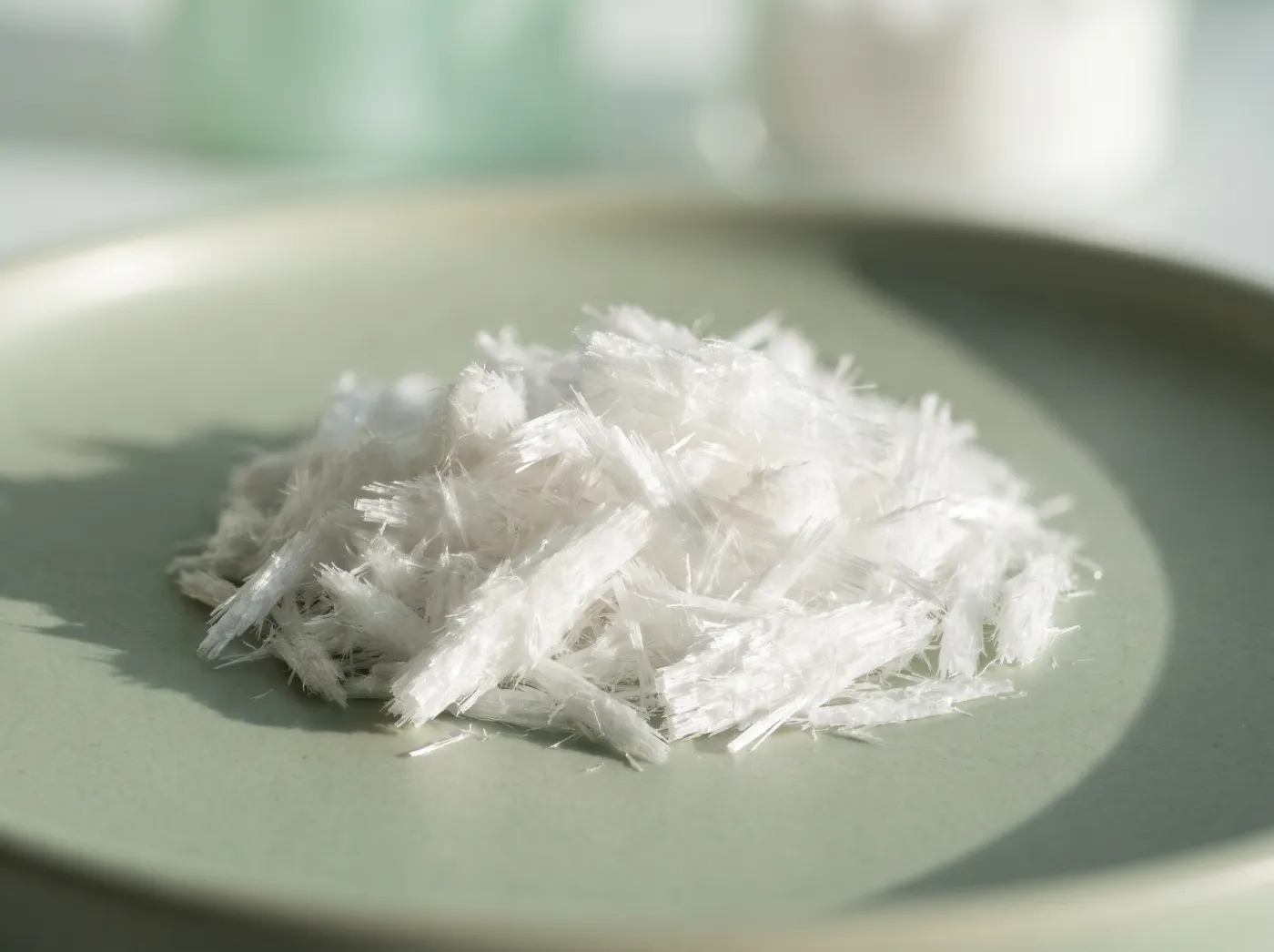
Salicylic acid crystalline powder, macro view on a sage green ceramic surface

Salicylic acid at a glance

Entry from our cosmetic ingredient glossary. Regulatory data from the European Commission's CosIng database1 and Regulation (EC) 1223/20092, safety according to the CIR expert panel4. Copy the identifiers in one click for your files.

INCI name
SALICYLIC ACID
Other names
2-Hydroxybenzoic acidOften called BHA. For the FDA it is not a BHA in the strict chemical sense, but the name has become common usage13
CAS number
69-72-7
EC number
200-712-3
Formula
C₇H₆O₃Aromatic acid1
CosIng functions
Keratolytic, anti-seborrheic, preservative, perfumingAlso a skin and hair conditioning agent1
EU status
RestrictedAnnex III No. 98 (0.5 to 3% depending on the product) and Annex V No. 3 (preservative, 0.5%) of Regulation (EC) 1223/20092. Entry 98 amended by Regulation (EU) 2021/8503
Allergen to declare
No
Safety
Judged safe in current usesCIR panel conclusion (2025), if the formula is non-irritating and non-sensitizing4

What the research says

Each result shows the protocol and the level of evidence. The higher the level, the better the result carries over to a finished formula.

Clinical trialReview or consensusLaboratory

Facial skinSkincare

Less sebum and more hydrated skin in 21 days

Clinical trial
Salicylic acid gel21 days42 volunteersTwice a dayProspective single-center study

In volunteers with oily or combination, blemish-prone skin, sebum fell by 23.65%, hydration rose by 40.5% and water loss dropped by 49.26%. 5% of participants reported mild, temporary itching. The concentration is not given in the abstract7.

Better texture, redness and barrier in 28 days

Clinical trial
Cleanser with salicylic acid, glucuronolactone and ceramides28 days42 volunteers

Significant improvement in the barrier (water loss), redness, hydration and skin texture, with no adverse effect. The formula also contains ceramides: the effect of salicylic acid alone is not isolated8.

Less stratum corneum in one week

Clinical trial
2 to 12%1 week23 volunteersHealthy skin, vehicle only on the other side

Treated sites had less stratum corneum, with no change in the living epidermis. The authors suggest that salicylic acid promotes desquamation by dissolving the cement between cells5.


BodyBodycare

Photoaged hands: collagen and elasticity up

Clinical trial
Daily care at 2%4 months36 participantsDouble-blind, one hand against the other

Significant increase in collagen density and elasticity, lower melanin index and less water loss. 98% of participants were satisfied or very satisfied. The trial combined this care with an in-office 30% peel, which exceeds the limits for cosmetic products in Europe2: only the 2% care can be transposed9.

Scalp and hairHaircare

Less visible dandruff with a combined shampoo

Clinical trial
Salicylic acid 2% and piroctone olamine 0.75%About 4 weeks, 2 shampoos a week19 subjectsDouble-blind against zinc pyrithione 1%

Both shampoos strongly reduced dandruff. The combination seems slightly more effective than zinc pyrithione on severity and flake area. The effect of salicylic acid alone is not isolated10.

What dermatologists sayDermatology

Recommended for oily skin

Expert consensus
2025 Delphi consensus62 dermatologists43 centers

Salicylic acid is one of the 23 ingredients recommended by the panel, notably for oily skin. The panel also keeps it for a medical use that this page does not cover11.

An exfoliant that detaches cells rather than dissolving keratin

Review
2015 literature review

The review describes salicylic acid as a "desmolytic" agent: it breaks the junctions between stratum corneum cells6. This explains its role as a surface exfoliant in cosmetic care12.

Formulating to avoid irritation and protect from the sun

Review
CIR panel 2000 and 2025FDA

As early as 2000, the CIR panel provisionally concluded that salicylic acid is safe when the formula avoids irritation and increased sun sensitivity. The FDA recommends sun protection with BHA products13. The 2025 update confirms safety in current uses and concentrations if the formula is non-irritating and non-sensitizing4.

This page summarizes published literature on a cosmetic ingredient. It does not describe the effect of a finished product, which depends on its formula, and it is not medical advice. Salicylic acid is mostly studied for medical uses: we only keep the cosmetic results here (sebum, texture, hydration, exfoliation). Several of the clinical trials cited were run by cosmetics companies; this is indicated in the sources.

Concentrations used in studies

The cited studies that give the concentration use 2%, in a daily care product9 as in a shampoo10. The final concentration is set by European regulation: 3% for rinse-off hair products, 2% for other products and 0.5% for body lotions, eye shadows, mascaras, eyeliners, lipsticks and roll-on deodorants2.

Which products use salicylic acid?

Our white label catalog includes 10 formulas with salicylic acid: the key active in 6 of them, a supporting ingredient in the others. Every category can be customized (formula, fragrance, packaging).

9Face

Key active in serums, cleansers, toners and care for blemish-prone skin, paired with niacinamide or AHAs in other formulas.

1Body

Supporting active in one washing product of the catalog, within regulatory limits.

Salicylic acid, glycolic acid, lactic acid or niacinamide?

Four actives often compared for blemish-prone skin and skin texture. They do not exclude each other and are combined in several of our formulas.

Salicylic acidGlycolic acidLactic acidNiacinamide
FamilyBHA (common name)13AHA14AHA14Vitamin B3, not an acid
Main roleSebum, texture, surface exfoliation78Surface exfoliation14Surface exfoliation14Barrier, skin tone, shine: see the niacinamide page
EU regulationRestricted: 0.5 to 3% depending on the product2No restriction in the annexesNo restriction in the annexesNo restriction
SunSun protection recommended with BHAs13Increased UV sensitivity during use14Sun protection recommended with AHAs14Not photosensitizing
Watch pointBanned in preparations for children under 32Depends on concentration and pH14Depends on concentration and pH14See the niacinamide page

Frequently asked questions about salicylic acid

What is salicylic acid?
It is an aromatic acid, also called 2-hydroxybenzoic acid (CAS 69-72-7). In cosmetics it is often called BHA and used to exfoliate the skin surface5, limit the shiny look of skin and smooth texture78. It is not an AHA: the FDA notes that the term BHA is common usage13.
What are the benefits of salicylic acid for skin?
In the cosmetic trials cited, a salicylic acid gel lowered sebum by 23.65% in 21 days in volunteers with oily or combination skin7, and a cleanser improved texture and redness in 28 days8. These results come from complete formulas, not from the active alone.
What percentage of salicylic acid is allowed in cosmetics?
European regulation sets a maximum of 3% for rinse-off hair products, 2% for other products and 0.5% for body lotions, eye shadows, mascaras, eyeliners, lipsticks and roll-on deodorants2. These levels include every use of salicylic acid, preservative included2.
Can you use salicylic acid with niacinamide?
Yes, it is a common pairing. Several of our salicylic acid formulas also contain niacinamide, for example the cleansing gel and the serum. The stability of the final formula is checked through lab testing.
Should you use salicylic acid in the morning or at night?
No text sets the time. In the gel trial, application was twice a day7. What matters is to include sun protection in the routine: the FDA recommends it with BHA products13.
Is salicylic acid safe?
The CIR panel judges it safe in current uses and concentrations, if the formula is non-irritating and non-sensitizing4. In the gel trial, 5% of volunteers felt mild, temporary itching7. The regulation bans its use in preparations for children under 3 and in applications that could expose the lungs by inhalation2.
Is salicylic acid safe during pregnancy?
The regulation sets maximum concentrations for salicylic acid2. An exposure assessment, run by cosmetics companies, concludes there is an acceptable safety margin at the authorized concentrations15. During pregnancy, as with any skincare product, a healthcare professional's advice remains the rule.


Can you manufacture a salicylic acid serum for my brand?
Yes. Our ISO 22716 certified lab offers 10 salicylic acid formulas from the catalog that you can customize, or a custom formula. Samples are free.

Sources

Peer-reviewed studies and official regulatory sources, checked on November 2, 2026.

  1. European Commission. CosIng, SALICYLIC ACID entry (CAS 69-72-7, EC 200-712-3). ec.europa.eu/growth/tools-databases/cosing
  2. European Parliament and Council. Regulation (EC) No 1223/2009 on cosmetic products, consolidated version of May 1, 2025: Annex III, entry 98, and Annex V, entry 3 (salicylic acid). eur-lex.europa.eu
  3. European Commission. Regulation (EU) 2021/850 of May 26, 2021 amending Annexes II, III, IV and VI to Regulation (EC) No 1223/2009 (Annex III, entry 98, 2-hydroxybenzoic acid). eur-lex.europa.eu
  4. Johnson W Jr, Zhu J, Bergfeld WF, et al. Amended safety assessment of salicylic acid and salicylates as used in cosmetics. Int J Toxicol. 2025;44(4_suppl):5S-57S. doi:10.1177/10915818251389456
  5. Davies M, Marks R. Studies on the effect of salicylic acid on normal skin. Br J Dermatol. 1976;95(2):187-192. doi:10.1111/j.1365-2133.1976.tb00825.x
  6. Arif T. Salicylic acid as a peeling agent: a comprehensive review. Clin Cosmet Investig Dermatol. 2015;8:455-461. doi:10.2147/CCID.S84765
  7. Liu Y, Dan Y, Yang J, et al. Clinical efficacy of a salicylic acid-containing gel on acne management and skin barrier function: a 21-day prospective study. J Cosmet Dermatol. 2025;24(7):e70353. doi:10.1111/jocd.70353L'Oréal (CeraVe)
  8. Ai Levin Y, Lyu Y, He X. Improvement of overall skin condition in acne and oily prone skin with an amino acid cleanser containing salicylic acid, glucuronolactone, and ceramides. J Cosmet Dermatol. 2026;25(3):e70759. doi:10.1111/jocd.70759L'Oréal (CeraVe)
  9. Zhou H, Qiao S, Zhao X, Zeng W. Supramolecular salicylic acid alleviates skin photoaging by increasing collagen density and elasticity. Aesthetic Plast Surg. 2025;49(1):314-321. doi:10.1007/s00266-024-04180-1
  10. Lodén M, Wessman C. The antidandruff efficacy of a shampoo containing piroctone olamine and salicylic acid in comparison to that of a zinc pyrithione shampoo. Int J Cosmet Sci. 2000;22(4):285-289. doi:10.1046/j.1467-2494.2000.00024.xACO Hud (industry)
  11. Alvarez GV, Kang BY, Richmond AM, et al. Skincare ingredients recommended by cosmetic dermatologists: a Delphi consensus study. J Am Acad Dermatol. 2025;93(6):1509-1525. doi:10.1016/j.jaad.2025.04.021
  12. Kornhauser A, Coelho SG, Hearing VJ. Applications of hydroxy acids: classification, mechanisms, and photoactivity. Clin Cosmet Investig Dermatol. 2010;3:135-142. doi:10.2147/CCID.S9042
  13. US Food and Drug Administration. Beta hydroxy acids, "Cosmetic Ingredients" page (content as of February 25, 2022). fda.gov
  14. US Food and Drug Administration. Alpha hydroxy acids, "Cosmetic Ingredients" page. fda.gov
  15. Labib R, Bury D, Boisleve F, et al. A kinetic-based safety assessment of consumer exposure to salicylic acid from cosmetic products demonstrates no evidence of a health risk from developmental toxicity. Regul Toxicol Pharmacol. 2018;94:245-251. doi:10.1016/j.yrtph.2018.01.026Johnson & Johnson, L'Oréal and other manufacturers
Carmel Cosmetics Labs product specialist with a brand founder

Tell us about your project

A product specialist reviews your request and gets back to you on the channel you prefer.

Lead EN – Demande de devis
Tell us about your project. A product specialist will get back to you shortly.
CONTACT INFORMATION
Name
PROJECT INFORMATION
Which cosmetics category interests you most?

By submitting this form, you agree to our terms of service and privacy policy.

No obligation. Your information stays confidential and is used only to prepare your quote.