











































More even skin tone with a 1% combination
Clinical trialImproved look of spots, texture and skin tone evenness from week 2, with a melanin index down at 12 weeks. The effect comes from the combination of three actives, not from kojic acid alone4.
Services
Catalog
Explore the full catalog1,000+ formulas ready to carry your brandFace careFull range
Serums, creams and targeted care, formulated with your actives.
Hair careFull range
From shampoo to leave-in, for every hair type.
Body careFull range
Moisturizing, nourishing and shower care: cream, butter or oil.
Hammam and naturalFull range
Black soap, argan and authentic Moroccan rituals.
Specialty careFull range
Sun care, lips, intimate care and oral care.
Industries
All solutions by industryFormulas and formats for your businessHospitality and wellness
Brands and creators
Our brands
Our own brands, developed and made in our laboratory.
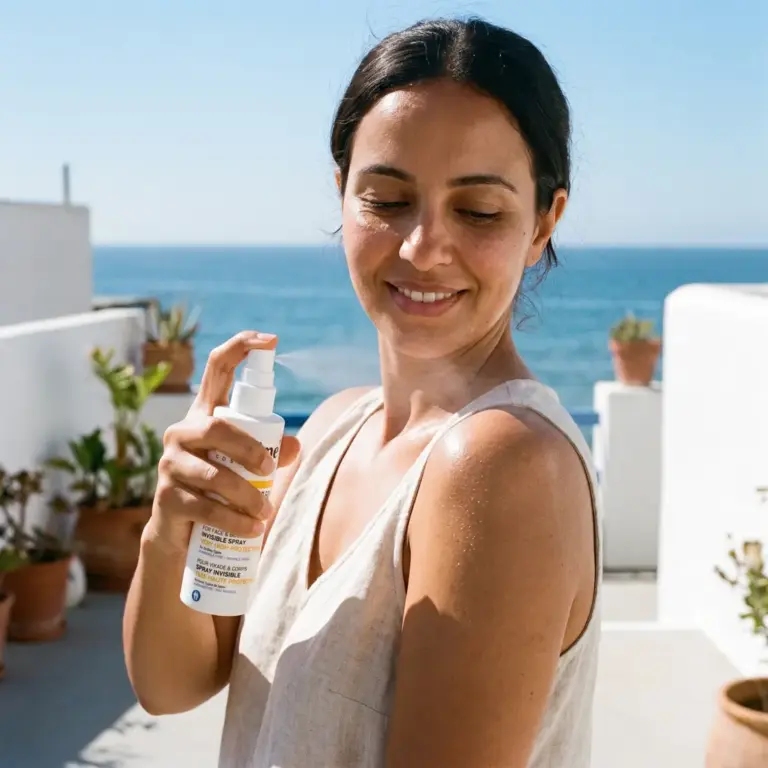
 DermocosmeticsSublime CosmeticsFace, sun and body care for pharmacies and drugstores.Visit the website
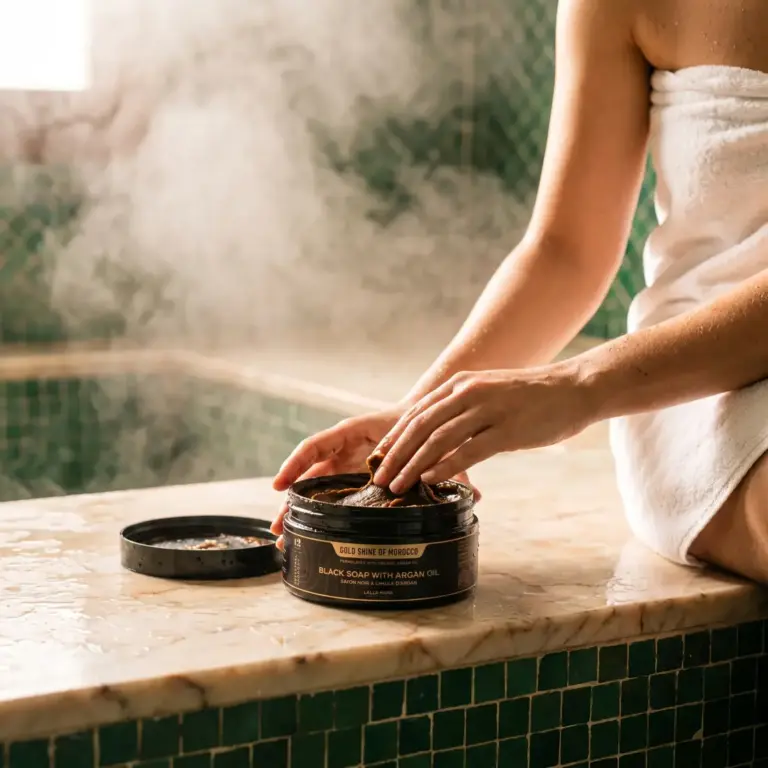
 Hammam and spaLalla MamaMoroccan hammam rituals: black soap, rhassoul, oils and body care.Visit the website
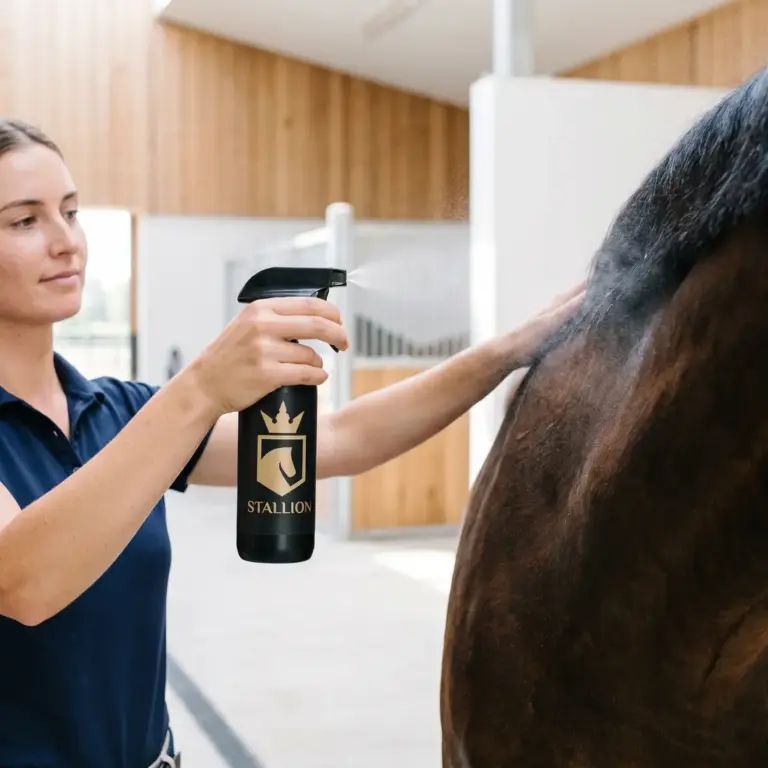
 Equine careStallionGrooming care for horses: mane, coat and hooves.Visit the website
Laboratory
 Our factory in Aït MelloulISO 22716 and ISO 9001, visits by appointmentDiscover the factory
Cosmetics manufacturer based in Agadir
500+ brands35+ countries1,000+ formulas
Our factory in Aït Melloul
Up to 3 million units a yearVisits by appointment
Contract manufacturing, step by step
RegulationsCostsProject steps
Join our teams in Agadir
FormulationProductionQualityRegulatorySales
Resources
Kojic acid is a metabolite of fungal origin that inhibits tyrosinase, an enzyme in melanin synthesis9. Since Regulation (EU) 2024/996, it is only allowed as a skin lightener, in face and hand products, at 1% maximum2. The CIR panel judges it safe up to that threshold3.
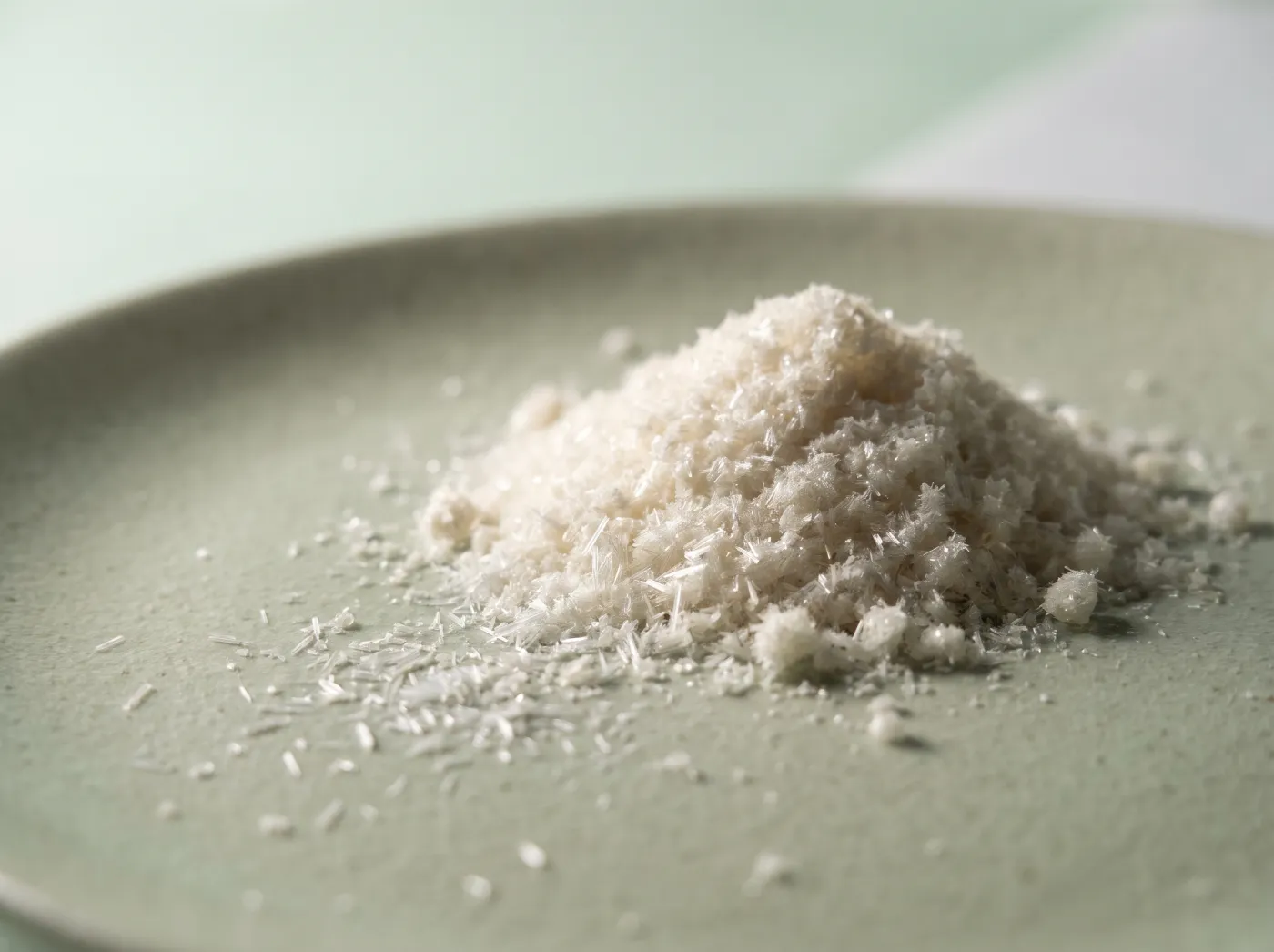
Entry from our cosmetic ingredient glossary. Regulatory data from the European Commission's CosIng database1 and from Regulation (EU) 2024/9962, safety according to the CIR expert panel3. Copy the identifiers in one click for your files.
Each result shows the protocol and the level of evidence. The higher the level, the better the result carries over to a finished formula.
Improved look of spots, texture and skin tone evenness from week 2, with a melanin index down at 12 weeks. The effect comes from the combination of three actives, not from kojic acid alone4.
This formula showed no efficacy on solar lentigines, whereas a stabilized soy extract gave a modest lightening5.
Visible lightening from 1 month of daily application, increasing over 3 months. Four actives are combined: the contribution of kojic acid itself is not isolated6.
1% kojic acid is in the comparison, but its rank is not given in the abstract. The abstract only cites 7% ascorbic acid (second at 4 days) and 4% hydroquinone (second at 1 month)7.
Kojic acid is absorbed slowly by human skin. The panel concludes that the two points of caution, sensitization and lightening, do not appear below 1%. In black-skinned guinea pigs, lightening appears at 4% but not at 1%3.
Kojic acid inhibits tyrosinase and limits melanin formation. A 2022 review judges it safe at the concentrations tested and notes that its derivatives are offered to limit its degradation89.
With sodium metabisulfite, the best formulas retain 86% (emulgel) and 76% (gel) of the kojic acid; cold storage is the most favorable. Under forced oxidation, kojic acid degrades more slowly than its dipalmitate ester1011.
This page summarizes published literature on a cosmetic ingredient. It does not describe the effect of a finished product, which depends on its formula, and it is not medical advice. Several of the clinical trials cited were run or funded by cosmetics companies; this is indicated in the sources. The clinical evidence almost always covers combinations of actives, and one of the studies cited shows no effect.
The colored zone marks the European limit of 1%, which applies to face and hand products. The CIR panel relies on sensitization data at 2% in a leave-on product and on lightening observed at 4% in guinea pigs. The final concentration of a formula is set with the formulator, within the framework of Regulation (EU) 2024/996.
Our white label catalog includes 3 formulas with kojic acid: the key active in 3 of them, a supporting ingredient in the others. Every category can be customized (formula, fragrance, packaging).
Key active in the dark spot serum and cream, combined with alpha-arbutin, within face products allowed at 1% maximum.
Regulation (EU) 2024/996 reserves kojic acid for face and hand products: a body formula must be adapted to this scope with the formulator.
In our formulas, it is most often paired with
Licorice extract 2Sweet almond oil 2Niacinamide 2Panthenol 2Vitamin C 2Four actives often combined in skin tone care. They do not exclude each other and are often combined in the same formula.
| Kojic acid | Alpha-arbutin | Vitamin C | Niacinamide | |
|---|---|---|---|---|
| Main role | Skin lightening, antioxidant1 | Skin lightening and conditioning2 | Radiance, antioxidant protection | Skin tone, barrier, shine |
| In the formula | Sensitive to oxidation, antioxidants useful10 | Hydroquinone must remain at the level of unavoidable traces2 | Oxidizes with air and light, needs protective packaging | Stable, easy to formulate in the water phase |
| EU regulation | 1% maximum, face and hands only2 | 2% in face cream, 0.5% in body lotion2 | No restriction for ascorbic acid | No restriction |
| Who it suits | Skin tone care for face and hands | Skin tone care, face and body | Dull skin | General public, sensitive skin included |
Peer-reviewed studies and official regulatory sources, checked on November 2, 2026.

A product specialist reviews your request and gets back to you on the channel you prefer.