











































Services

Torn between two services?A project manager will guide you

Catalog

Explore the full catalog1,000+ formulas ready to carry your brand

Face careFull range

Serums, creams and targeted care, formulated with your actives.

Body careFull range

Moisturizing, nourishing and shower care: cream, butter or oil.

Specialty careFull range

Sun care, lips, intimate care and oral care.

Men, baby, makeupFull range

Shaving and beard, baby and mom, makeup.

Industries

All solutions by industryFormulas and formats for your business

Laboratory

Cosmetics manufacturing room with a row of stainless-steel mixers and an operator in white workwearOur factory in Aït MelloulISO 22716 and ISO 9001, visits by appointmentDiscover the factory

Resources

Niacinamide (vitamin B3)

Niacinamide, or nicotinamide, is the amide form of vitamin B3. Water-soluble and well tolerated, it is studied in cosmetics for supporting the skin barrier1, evening out skin tone23 and reducing the shiny look of skin4, most often at 2 to 5% in clinical trials.
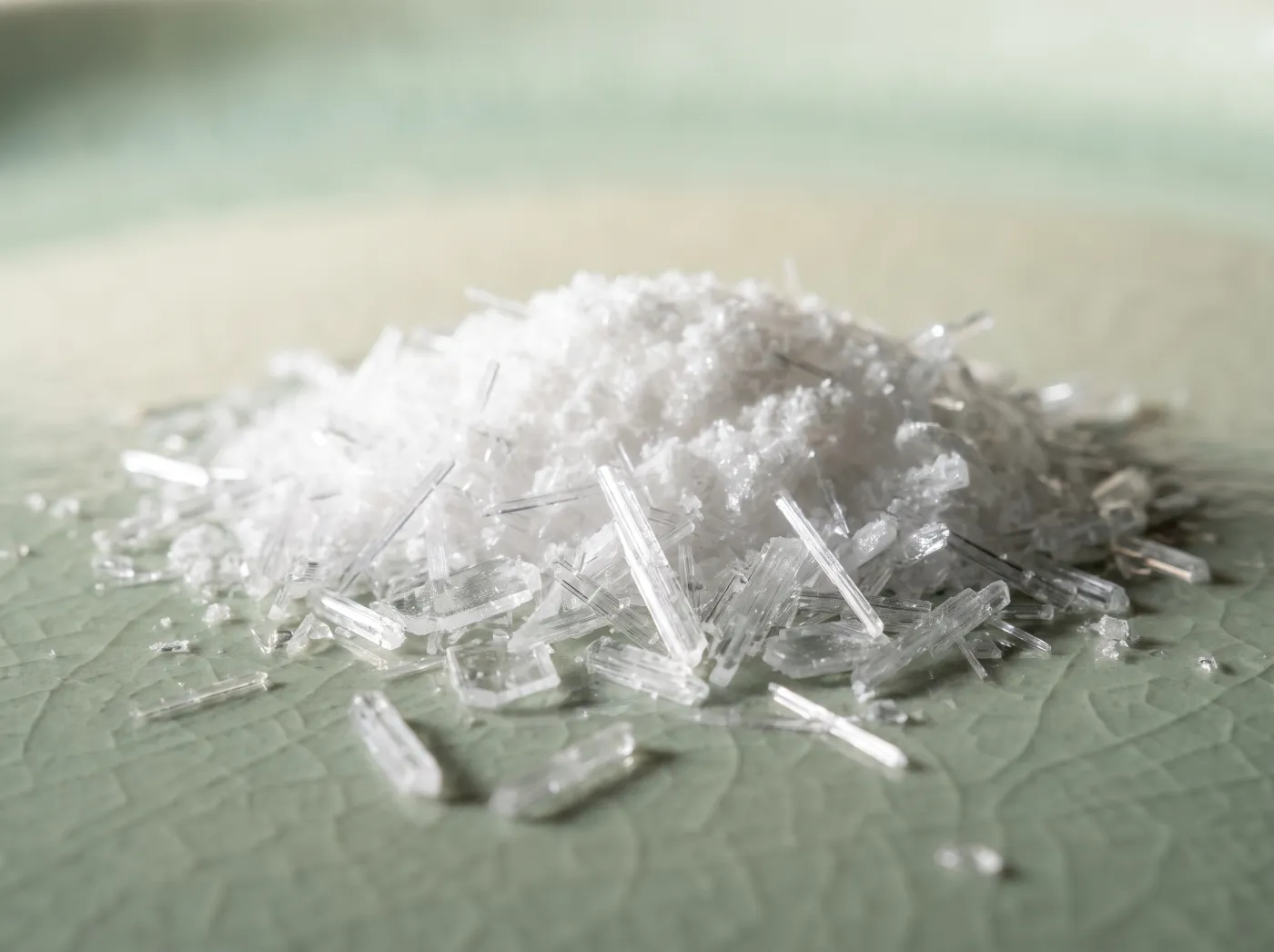
Needle-shaped niacinamide crystals in macro view on a sage green ceramic surface

Niacinamide at a glance

Entry from our cosmetic ingredient glossary. Regulatory data from the European Commission's CosIng database5, safety according to the CIR expert panel6. Copy the identifiers in one click for your files.

INCI name
NIACINAMIDE
Other names
NicotinamideVitamin B3 (amide form), 3-pyridinecarboxamide
CAS number
98-92-0
EC number
202-713-4
Formula
C₆H₆N₂OMolar mass 122.12 g/mol
CosIng function
SmoothingFunction name as listed in the European CosIng database
Appearance
White crystalline powderVery soluble in water, formulated in the water phase
EU status
No restrictionNot listed in the annexes of Regulation (EC) 1223/2009
Allergen to declare
No
Safety
Judged safe in cosmeticsCIR panel conclusion under conditions of use6

What the research says

Each result shows the protocol and the level of evidence. The higher the level, the better the result carries over to a finished formula.

Clinical trialReview or consensusLaboratory

Facial skinSkincare

Visible signs of aging and a more even skin tone

Clinical trial
5%12 weeks50 womenDouble-blind, split-face

Fewer fine lines and spots, less diffuse redness and sallowness, better elasticity than with placebo2.

Dark spots less visible in 4 weeks

Clinical trial
5% and 2% with sunscreen4 weeks18 and 120 volunteers

Lower hyperpigmentation in two trials run in Japan. In the lab, niacinamide cut melanosome transfer to surface cells by 35 to 68%3.

Less shiny skin

Clinical trial
2%4 to 6 weeks100 + 30 volunteersPlacebo-controlled

In Japanese volunteers, the sebum excretion rate dropped from week 2. In European volunteers, the effect concerned surface sebum rather than excretion: the result depends on the skin types studied4.

Stronger skin barrier

Laboratory
Cultured keratinocytesApplied to skin

Niacinamide multiplied the synthesis of ceramides, key barrier lipids, by 4 to 5.5. Applied to the skin, it increased stratum corneum ceramides and reduced water loss1.

BodyBodycare

More comfortable dry body skin

Clinical trial
Niacinamide and glycerin lotion35 days63 and 58 womenRandomized

Compared with six other body lotions, the two niacinamide and glycerin formulas gave the biggest improvement in visible dryness, hydration and skin water loss8.

Scalp and hairHaircare

Healthier-looking scalp, less hair shedding

Clinical trial
Shampoo and leave-on product24 weeksDouble-blind, placebo-controlled

A combination of niacinamide, panthenol, caffeine, piroctone olamine and zinc improved scalp condition and reduced hair shedding. The effect of niacinamide on its own was not isolated: evidence for the single active remains limited9.

What dermatologists sayDermatology

Recommended for redness and dark spots

Expert consensus
2025 Delphi consensus62 dermatologists43 centers

Niacinamide is one of the 23 cosmetic ingredients recommended by the panel, for redness and brown spots10.

A NAD+ precursor, at the heart of cell energy

Review
3 literature reviews2014 to 2024

The reviews describe niacinamide as a precursor of NAD+, a coenzyme in energy metabolism and in the antioxidant defense of skin cells. This explains the variety of effects observed111213.

Skin penetration and delivery

Review
2024 review

A small, water-soluble molecule, niacinamide crosses the stratum corneum. This review covers the formulation strategies that improve its diffusion into the skin7.

This page summarizes published literature on a cosmetic ingredient. It does not describe the effect of a finished product, which depends on its formula, and it is not medical advice. Several of the clinical trials cited were run or funded by cosmetics companies; this is indicated in the sources.

Concentrations used in studies

The clinical trials cited test niacinamide between 2 and 5%. The final concentration of a formula is set with the formulator, depending on the desired effect, the format and the target tolerance.

Which products use niacinamide?

Our white label catalog includes 59 formulas with niacinamide: the key active in 18 of them, a supporting ingredient in the others. Every category can be customized (formula, fragrance, packaging).

In our formulas, it is most often paired with

Panthenol 40Hyaluronic acid 19Vitamin E 17Aloe vera 15

Niacinamide, vitamin C, retinol or hyaluronic acid?

Four actives often compared when choosing the hero of a range. They do not exclude each other and are often combined in the same routine.

NiacinamideVitamin CRetinolHyaluronic acid
Main roleBarrier, skin tone, shineRadiance, antioxidant protectionSkin texture, fine linesSurface hydration
WhenMorning and eveningOften in the morningIn the eveningMorning and evening
In the formulaStable, easy to formulate in the water phaseOxidizes with air and light, needs protective packagingSensitive to light and oxidationStable, molecular weight changes the feel
EU regulationNo restriction5No restriction for ascorbic acidConcentration limited since Regulation (EU) 2024/99614No restriction
Who it suitsGeneral public, sensitive skin includedDull skinExperienced users, gradual introductionAll skin types

Frequently asked questions about niacinamide

What is niacinamide?
It is the amide form of vitamin B3, a white powder that dissolves in water. In cosmetics, it is used for the skin barrier, an even skin tone and the shiny look of skin. It is not an acid: the name "niacinamide acid" is a mix-up with nicotinic acid, another form of vitamin B3.
Are niacinamide and nicotinamide the same thing?
Yes. Both names describe the same molecule (CAS 98-92-0). "Niacinamide" is the INCI name that appears on cosmetic labels, "nicotinamide" the chemical and pharmaceutical name.
What percentage of niacinamide should you use?
Published clinical trials use 2 to 5%. A higher concentration does not necessarily bring more effect and can reduce comfort on reactive skin. The dose of a product is set with the formulator, depending on the format and the target.
Can you use niacinamide with vitamin C?
Yes, it is a common pairing, including in the same formula. As with any combination of actives, the stability of the final formula is checked through lab testing.
Can you use niacinamide with retinol?
Yes. The two actives often appear in the same routines, with niacinamide valued for skin comfort. Retinol remains subject to a concentration limit in the EU.
Should you use niacinamide in the morning or at night?
Both work. Niacinamide is not photosensitizing. In the studies cited, products were applied once or twice a day.
Is niacinamide safe, and does it have side effects?
The CIR expert panel judges it safe under conditions of cosmetic use, and it is not restricted in the EU. Temporary redness or tingling is sometimes reported, mostly at high concentrations. During pregnancy, as with any skincare product, a healthcare professional's advice remains the rule.
Can you manufacture a niacinamide serum for my brand?
Yes. Our ISO 22716 certified lab offers 59 niacinamide formulas (serums, toners, creams, body and hair care) that you can customize, or a custom formula. Samples are free.

Sources

Peer-reviewed studies and official regulatory sources, checked on November 2, 2026.

  1. Tanno O, Ota Y, Kitamura N, et al. Nicotinamide increases biosynthesis of ceramides as well as other stratum corneum lipids to improve the epidermal permeability barrier. Br J Dermatol. 2000;143(3):524-531. doi:10.1111/j.1365-2133.2000.03705.x
  2. Bissett DL, Oblong JE, Berge CA. Niacinamide: a B vitamin that improves aging facial skin appearance. Dermatol Surg. 2005;31(7 Pt 2):860-865. doi:10.1111/j.1524-4725.2005.31732Procter & Gamble
  3. Hakozaki T, Minwalla L, Zhuang J, et al. The effect of niacinamide on reducing cutaneous pigmentation and suppression of melanosome transfer. Br J Dermatol. 2002;147(1):20-31. doi:10.1046/j.1365-2133.2002.04834.xProcter & Gamble
  4. Draelos ZD, Matsubara A, Smiles K. The effect of 2% niacinamide on facial sebum production. J Cosmet Laser Ther. 2006;8(2):96-101. doi:10.1080/14764170600717704
  5. European Commission. CosIng, entry NIACINAMIDE (CAS 98-92-0, EC 202-713-4). ec.europa.eu/growth/tools-databases/cosing
  6. Cosmetic Ingredient Review Expert Panel. Final report of the safety assessment of niacinamide and niacin. Int J Toxicol. 2005;24 Suppl 5:1-31. doi:10.1080/10915810500434183
  7. Ong RR, Goh CF. Niacinamide: a review on dermal delivery strategies and clinical evidence. Drug Deliv Transl Res. 2024;14(12):3512-3548. doi:10.1007/s13346-024-01593-y
  8. Christman JC, Fix DK, Lucus SC, et al. Two randomized, controlled, comparative studies of the stratum corneum integrity benefits of two cosmetic niacinamide/glycerin body moisturizers vs. conventional body moisturizers. J Drugs Dermatol. 2012;11(1):22-29. PMID 22206073Procter & Gamble
  9. Davis MG, Piliang MP, Bergfeld WF, et al. Scalp application of antioxidants improves scalp condition and reduces hair shedding in a 24-week randomized, double-blind, placebo-controlled clinical trial. Int J Cosmet Sci. 2021;43 Suppl 1:S14-S25. doi:10.1111/ics.12734Procter & Gamble
  10. Alvarez GV, Kang BY, Richmond AM, et al. Skincare ingredients recommended by cosmetic dermatologists: a Delphi consensus study. J Am Acad Dermatol. 2025;93(6):1509-1525. doi:10.1016/j.jaad.2025.04.021
  11. Boo YC. Mechanistic basis and clinical evidence for the applications of nicotinamide (niacinamide) to control skin aging and pigmentation. Antioxidants. 2021;10(8):1315. doi:10.3390/antiox10081315
  12. Marques C, Hadjab F, Porcello A, et al. Mechanistic insights into the multiple functions of niacinamide: therapeutic implications and cosmeceutical applications in functional skincare products. Antioxidants. 2024;13(4):425. doi:10.3390/antiox13040425
  13. Wohlrab J, Kreft D. Niacinamide: mechanisms of action and its topical use in dermatology. Skin Pharmacol Physiol. 2014;27(6):311-315. doi:10.1159/000359974
  14. Commission Regulation (EU) 2024/996 of 3 April 2024 amending Regulation (EC) No 1223/2009 (vitamin A, alpha-arbutin, arbutin and other substances). eur-lex.europa.eu
Carmel Cosmetics Labs product specialist with a brand founder

Tell us about your project

A product specialist reviews your request and gets back to you on the channel you prefer.

Lead EN – Demande de devis
Tell us about your project. A product specialist will get back to you shortly.
CONTACT INFORMATION
Name
PROJECT INFORMATION
Which cosmetics category interests you most?

By submitting this form, you agree to our terms of service and privacy policy.

No obligation. Your information stays confidential and is used only to prepare your quote.
