































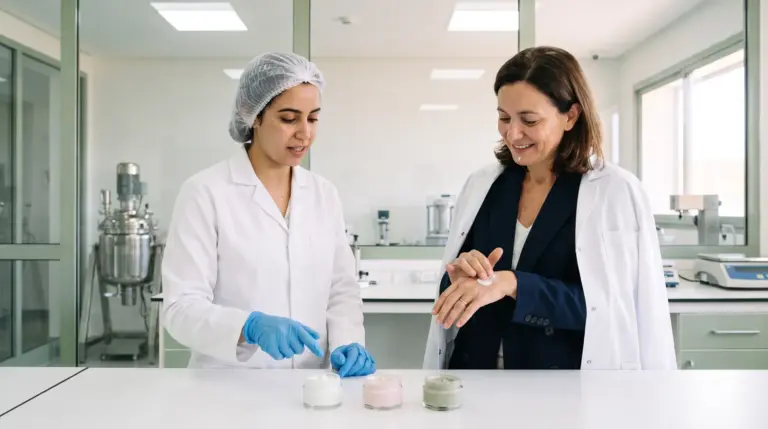
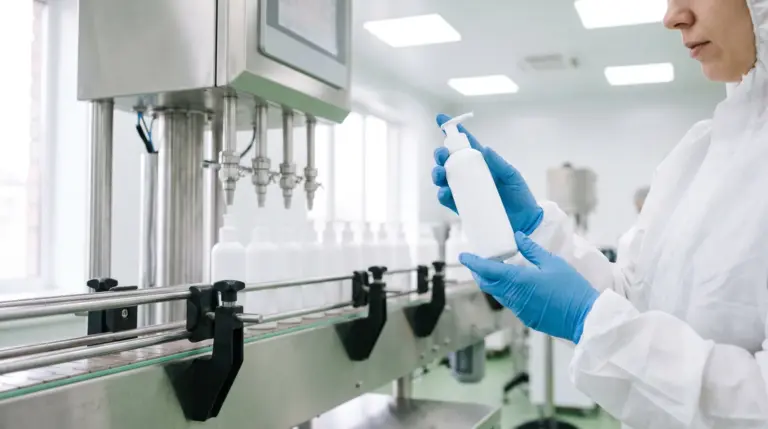




The cosmetics industry is going through a sustainability revolution, driven by growing consumer demand for eco-friendly choices and by stricter environmental regulations. Private label cosmetics are at the forefront of this movement, using new practices to reduce environmental impact without compromising quality or efficacy. Here is a look at how private label cosmetics brands are adopting eco-friendly innovations to build a greener future for beauty.
1. Sustainable ingredient sourcing
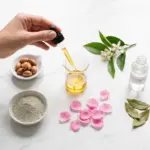
Eco-conscious private label brands prioritize natural, renewable and sustainably harvested ingredients. Whether organic botanicals or marine extracts, sustainable sourcing reduces the ecological impact of raw material extraction. Many private label manufacturers work with suppliers who practice fair trade, use regenerative farming techniques and cut back on harmful chemicals.
Innovations in ingredient sourcing:
- Plant-based alternatives: Synthetic chemicals are increasingly being replaced by plant-derived ingredients, which offer effective alternatives while minimizing the ecological footprint. Coconut and jojoba oils, for example, have become common substitutes for mineral oils.
- Biodegradable ingredients: Biodegradable formulations are essential for reducing pollution, especially in skin and hair care products that often end up in waterways. These ingredients break down naturally, reducing harm to aquatic ecosystems.
2. Clean, green formulations
The “clean beauty” movement focuses on formulations free from harmful chemicals such as parabens, sulfates and synthetic fragrances. Clean beauty supports sustainability by reducing the use of potentially toxic ingredients that harm the environment during manufacturing and disposal.
Examples of green formulations:
- Waterless products: Waterless formulations, such as solid shampoo bars or powder cleansers, reduce water use and the need for preservatives. These products also usually come in low- or zero-waste packaging, making them an ideal choice for eco-conscious consumers.
- Minimalist formulas: By using fewer, more potent ingredients, minimalist formulas are effective and also cut the waste linked to sourcing, processing and disposing of ingredients. Focusing on key actives such as vitamin C or hyaluronic acid delivers targeted results without unnecessary fillers.
3. Eco-friendly packaging innovations
Packaging is a major concern in the cosmetics industry, since traditional packaging materials often end up in landfills or oceans. To tackle this, private label brands are adopting eco-friendly packaging solutions that reduce waste and improve recyclability.
Key packaging innovations:
- Biodegradable and compostable packaging: Made from materials such as corn starch, paper and bamboo, this packaging breaks down naturally and leaves little or no trace in the environment.
- Reusable packaging: Refillable packaging solutions encourage customers to reuse containers and buy product refills only. This cuts plastic use and promotes a circular economy in the beauty industry.
- Glass and aluminum containers: Unlike plastic, glass and aluminum are fully recyclable and can be reused many times without loss of quality. Many private label brands choose these materials for their product containers to support long-term sustainability.
4. Sustainable manufacturing practices
Sustainable manufacturing aims to minimize the environmental impact of the production process, from cutting carbon emissions to conserving water. Leading private label manufacturers are implementing eco-friendly practices to create products that align with consumer values and regulatory standards.
Eco-friendly manufacturing practices:
- Renewable energy: Many production sites now run on renewable energy sources, such as solar or wind power, to reduce greenhouse gas emissions.
- Water recycling: Water recycling systems are essential in cosmetics manufacturing, especially for sustainability-focused brands. By reusing water, manufacturers can reduce overall water consumption and minimize the impact on local water resources.
- Waste reduction programs: Innovative waste management techniques, such as recycling by-products or converting them into energy, help reduce waste in manufacturing processes.
5. Commitment to transparency and ethical standards
Sustainability in private label cosmetics goes beyond the product to include ethical practices and transparency. Today’s consumers are very well informed and favor brands that disclose their sourcing, manufacturing and packaging practices. Certifications such as Leaping Bunny, USDA Organic and Fair Trade are key markers of a brand’s commitment to ethical standards.
Certifications and labels:
- EcoCert and USDA Organic: these certifications show that a product meets strict organic standards, ensuring raw materials come from sustainable sources and respect the environment.
- Cruelty-free labels: Certifications such as Leaping Bunny and PETA guarantee that products are not tested on animals, meeting consumer demand for ethical practices.
- Fair Trade: Fair Trade certifications show that a brand’s ingredients come from suppliers who pay fair wages and provide ethical working conditions, supporting social and environmental sustainability.
6. Consumer education and lasting brand loyalty
Sustainability is an ongoing process, and many private label brands invest in educating consumers about the importance of choosing eco-friendly beauty products. Through blogs, social media and product packaging, brands can communicate the impact of sustainable practices and encourage consumers to make informed choices.
Education initiatives:
- Sustainability campaigns: By launching campaigns that highlight eco-friendly ingredients, sustainable packaging or waste reduction initiatives, brands can build loyalty among eco-conscious consumers.
- Product transparency: Detailing ingredient sources, manufacturing processes and disposal recommendations on packaging and websites promotes transparency and builds trust with consumers.
- Recycling and disposal programs: Many brands now run programs that encourage recycling and proper disposal of used products, so consumers can contribute to sustainability goals even after purchase.
Conclusion
The shift toward sustainability in private label cosmetics reflects a broader movement in the beauty industry, where environmental responsibility has become a core value. By adopting eco-friendly formulations, sustainable packaging and ethical manufacturing practices, private label brands are not only meeting consumer demand but also helping shape a more sustainable future. Carmel Cosmetics Labs is committed to helping private label brands move toward sustainability with eco-friendly solutions that resonate with today’s informed, values-driven consumers.