


















The beauty industry, known for its ever-evolving trends and cutting-edge innovations, has seen a significant legislative transformation with the passage of the Modernization of Cosmetics Regulation Act of 2022 (MoCRA). This landmark act represents the most substantial update to U.S. cosmetics regulation since the Federal Food, Drug, and Cosmetic Act of 1938. MoCRA aims to enhance consumer safety, streamline regulatory processes, and foster innovation within the cosmetics sector. Here’s an in-depth look at what this new law entails and its implications for manufacturers, consumers, and the beauty industry at large.
Key Provisions of MoCRA
MoCRA introduces several pivotal changes designed to strengthen the oversight of cosmetic products:
- Mandatory Registration and Product Listing: For the first time, cosmetics manufacturers are required to register their facilities with the Food and Drug Administration (FDA) and list their products and ingredients. This centralized database aims to improve traceability and accountability in the event of safety issues.
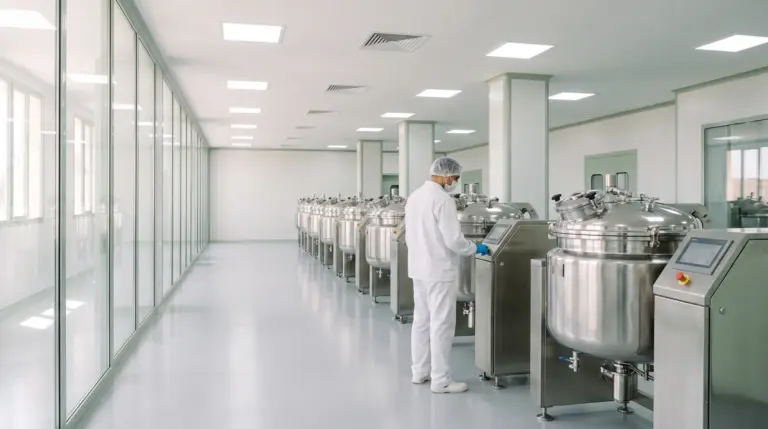
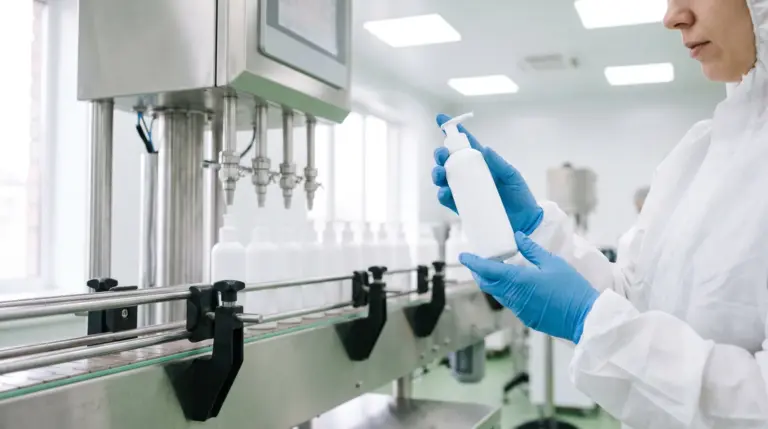
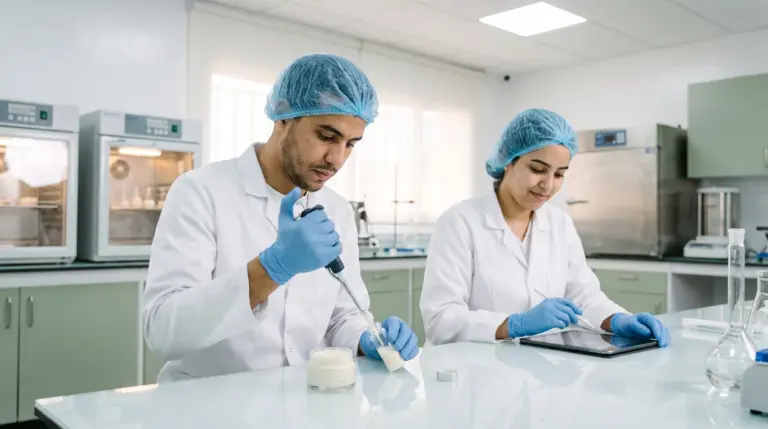
- Good Manufacturing Practices (GMPs): The act mandates the establishment of Good Manufacturing Practices for cosmetics. These guidelines will ensure that products are consistently produced and controlled according to quality standards, reducing the risk of contamination and ensuring product safety.
- Adverse Event Reporting: Companies must now report serious adverse events to the FDA within 15 days. This includes deaths, life-threatening experiences, inpatient hospitalizations, persistent or significant disabilities, and congenital anomalies. Such transparency is crucial for identifying and mitigating potential risks promptly.
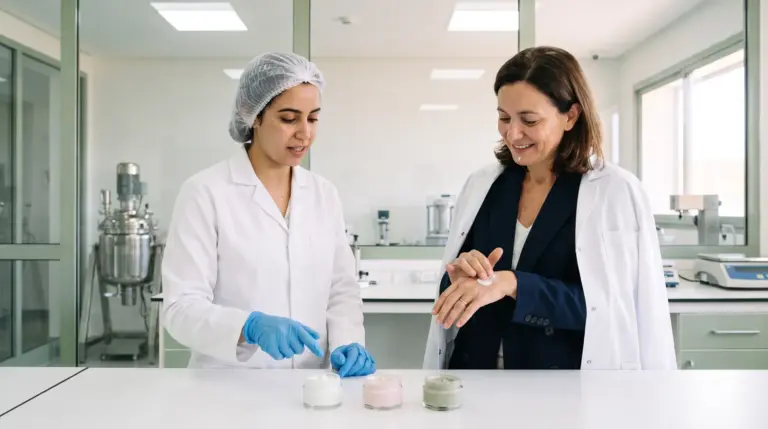
- Safety Substantiation: Manufacturers must maintain records demonstrating that their products are safe for use. This involves scientific evidence supporting the safety of each ingredient and the final product. The FDA has the authority to request this documentation during inspections or investigations.
- Mandatory Recall Authority: The FDA now has the power to order recalls of cosmetics that are deemed to pose a serious health risk. This provision enhances consumer protection by allowing swift removal of harmful products from the market.
- Fragrance and Flavor Disclosure: MoCRA requires the disclosure of fragrance and flavor ingredients that are allergens, improving transparency for consumers who may have sensitivities or allergies to specific substances.
- Small Business Exemptions: Recognizing the diverse nature of the cosmetics industry, the act includes certain exemptions for small businesses, balancing the need for safety with the realities of smaller operations.
Implications for the Cosmetics Industry
For Manufacturers: Compliance with MoCRA will necessitate adjustments in how cosmetic companies operate. The need for thorough safety substantiation and adherence to GMPs may increase operational costs, particularly for smaller businesses. However, these regulations are expected to level the playing field, ensuring that all products, regardless of their origin, meet high safety standards.
For Consumers: The primary beneficiaries of MoCRA are consumers, who will enjoy enhanced protection against unsafe products. The increased transparency regarding ingredients and the FDA’s new recall authority provide peace of mind and build trust in the products they use daily.
For Innovation: While the regulations might seem burdensome, they could ultimately drive innovation. Companies will need to invest in research and development to ensure their products are both safe and effective, potentially leading to new breakthroughs in cosmetic science.
Challenges and Future Directions
Implementing MoCRA presents several challenges, including ensuring that the FDA has the necessary resources to oversee compliance effectively. The cosmetics industry must also navigate the balance between stringent safety requirements and fostering creativity and innovation.
Looking ahead, MoCRA sets the stage for ongoing improvements in cosmetic safety and quality. It signals a shift towards more rigorous oversight and greater accountability, aligning the U.S. with other countries that have more advanced cosmetic regulations.
In conclusion, the Modernization of Cosmetics Regulation Act of 2022 marks a new era for the beauty industry. By prioritizing consumer safety and enhancing regulatory clarity, MoCRA paves the way for a safer, more transparent, and innovative future in cosmetics. As the industry adapts to these changes, consumers can look forward to a new standard of quality and safety in their favorite beauty products.