



























Private label cosmetics offer an exciting opportunity to create a unique brand in the beauty industry. However, you need to market these products effectively to attract customers, build trust and compete with established brands. Here is a complete guide to help you build and market your private label cosmetics brand successfully.
1. Define your brand identity
Your brand identity is the foundation of all your marketing efforts. It reflects your brand’s personality, values and promises to consumers. Defining your brand identity means answering questions such as:
- What values does my brand stand for (for example, environmental responsibility, luxury, inclusivity)?
- Who is my target audience and what are their preferences?
- How does my brand stand out from others on the market?
For example, if your brand values sustainability, emphasize eco-friendly packaging and cruelty-free ingredients. A clear brand identity helps you focus your marketing and create a consistent experience across every channel, so you attract loyal customers who share the same values.
2. Build a strong online presence
In the digital age, a compelling online presence is essential for cosmetics brands. Here are the main elements to focus on:
Social media
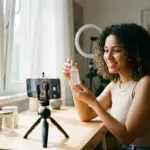
Social media platforms such as Instagram, TikTok and Pinterest are highly visual, which makes them ideal for promoting beauty products. Use them to showcase your products, share user-generated content and talk with your audience. Instagram Reels and TikTok videos work well for product demos, behind-the-scenes content and influencer collaborations, which build brand awareness and engagement.
Social media marketing tips:
- Post high-quality images and videos that reflect your brand’s aesthetic.
- Use hashtags relevant to your niche to increase your reach.
- Partner with beauty influencers to strengthen your credibility and visibility.
Website and e-commerce
Your website is the hub of your online presence, where customers learn about your brand, browse products and make purchases. Make sure your site is user-friendly, visually appealing and optimized for mobile devices. An e-commerce site should also feature customer reviews, which are essential to build trust in a new brand.
Website essentials:
- Use detailed product descriptions, high-resolution images and videos.
- Highlight key ingredients and benefits to attract your target audience.
- Add a blog section for SEO, sharing educational content on skincare routines, beauty tips and trends to attract organic traffic.
3. Influencer and affiliate marketing
Influencer marketing has proven highly effective for cosmetics brands, especially private label brands. Influencers bring credibility and can introduce your products to a targeted, engaged audience. When selecting influencers, choose those whose values align with your brand and make sure they have a genuine connection with their followers.
How to make the most of influencer marketing:
- Send PR packages to influencers in your niche and encourage them to share honest feedback.
- Set up paid partnerships in which influencers create sponsored content around your products.
- Offer discount codes to their followers to drive sales, and track the performance of each partnership.
Affiliate marketing is another strategy to consider: bloggers and influencers earn a commission for the sales they generate on your website. Affiliate partnerships benefit both sides, driving traffic to your site while rewarding your partners.
4. Invest in content marketing and SEO
Content marketing builds trust and positions your brand as an authority in the beauty industry. Educational, informative content such as blog posts, tutorials and skincare guides attracts potential customers and improves your search engine rankings. Effective SEO helps people searching for specific products or solutions discover your brand, driving organic traffic to your website.
Content ideas for private label brands:
- Skincare or makeup routines for different skin types.
- Ingredient articles that explain the benefits of your products to customers.
- Tutorials and application tips for specific products.
For SEO, include relevant keywords, create quality content and optimize your images and meta descriptions.
5. Create a loyalty program
Loyalty programs help you retain customers and increase their lifetime value. In beauty, loyalty programs can offer rewards such as discounts, exclusive product launches or points on every purchase that can be redeemed against future orders. This kind of engagement not only encourages repeat purchases but also helps build a community around your brand.
Loyalty reward ideas:
- Points for purchases, referrals or social media shares.
- Early access to new product launches for loyal customers.
- Personalized rewards based on each customer’s purchase history.
6. Use email marketing for personalized communication
Email marketing remains one of the most effective ways to connect with customers. It lets you share product launches, exclusive discounts and beauty tips directly with your audience. Segmenting your email list allows you to send personalized messages based on customers’ interests, behavior or purchase history.
Effective email campaigns:
- Welcome emails for new subscribers introducing your brand story and best-selling products.
- Abandoned cart reminders to recover lost sales.
- Newsletters with beauty tips, product how-to guides and upcoming sales.
7. Run targeted ad campaigns
Targeted ads can amplify brand visibility and drive traffic to your site. Platforms such as Facebook, Instagram and Google Ads let you reach potential customers based on demographics, interests and behavior, so your budget is used efficiently.
Advertising strategy tips:
- Use high-quality visuals and engaging captions that reflect your brand’s tone.
- Highlight unique selling points, such as cruelty-free formulas or natural ingredients, to grab attention.
- Retarget website visitors or cart abandoners with reminders or special discounts.
8. Collect and showcase customer reviews
Social proof is essential to establish credibility for new brands. Encourage your customers to leave reviews and share their experiences on social media. Feature positive reviews on your website, social channels and product pages, because potential customers are more likely to trust recommendations from their peers than the brand’s message alone.
How to collect customer feedback:
- Offer incentives, such as discounts, for leaving a review.
- Use post-purchase emails to ask for feedback.
- Share user-generated content on social media to increase engagement.
9. Attend beauty events and trade shows
For in-person brand exposure, it can pay to exhibit at beauty trade shows, run pop-up events or collaborate on influencer-hosted events. These events let customers experience products first-hand, which matters especially for cosmetics. They also offer networking opportunities to build relationships with potential partners and influencers.
Benefits of events:
- Greater brand awareness and face-to-face engagement with customers.
- A chance to get feedback on new or existing products.
- Partnerships with other brands or retailers interested in stocking your line.
Final thoughts
Marketing a private label cosmetics brand takes a mix of creativity, strategic planning and consistent engagement. By building a strong brand identity, using both online and offline marketing channels and fostering customer loyalty, you can stand out in a crowded market. Carmel Cosmetics Labs offers private label solutions to help entrepreneurs build a unique, successful cosmetics brand from scratch.