























Demand for personalized beauty products has exploded, and the industry has responded with customizable cosmetics that match individual preferences, skin types and unique concerns. Private label brands in particular are capitalizing on this trend by offering tailored formulations, flexible shade ranges and even personalized packaging. Here is an in-depth look at how private label cosmetics brands are embracing customization to create a made-to-measure beauty experience for every consumer.
1. The rise of tailored formulations
Today’s consumers want products that address their specific needs. With different skin types, tones and concerns, one-size-fits-all products are no longer enough for many of them. Private label cosmetics now offer a wide variety of tailored formulations, letting consumers choose products designed for their specific concerns, such as anti-aging, hydration or sensitive skin.
How custom formulas work:
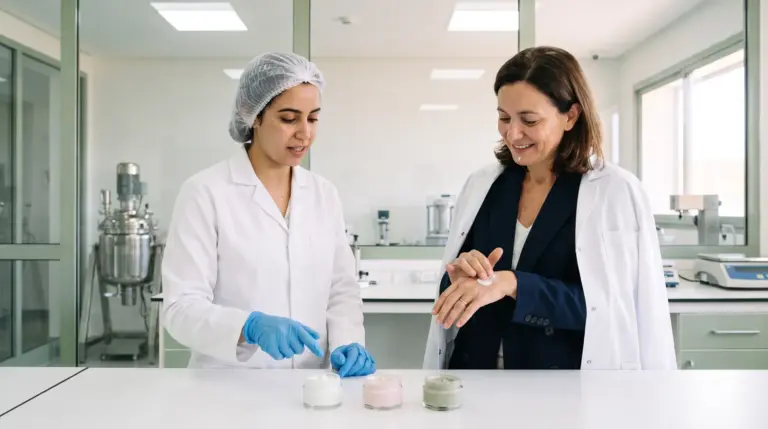
With custom formulas, brands can adjust ingredients, concentrations and even textures to customer preferences. For example, a brand might offer a base serum that customers can boost with targeted ingredients such as hyaluronic acid for hydration, vitamin C for brightening or peptides for firmness. Companies like Carmel Cosmetics Labs offer private label solutions that let brands adapt skincare and makeup into customizable formulas, creating options that fit each person’s needs and preferences.
2. Shade matching and foundation customization
The beauty industry has long been criticized for limited shade ranges, especially in foundations and concealers. Shade customization has emerged as an effective way to close that gap. Brands now offer a wider range of shades, and even custom-blended foundation colors for a perfect match with each customer’s complexion. This trend promotes inclusion as well as customer satisfaction, as people feel represented by products designed specifically for them.
Technology in service of shade:
Thanks to technological progress, brands can now use AI-powered skin tone analyzers to create custom foundations and concealers. These tools assess a consumer’s skin tone and undertones, producing a precise match that standard shades often fail to achieve. Private label companies are adopting these technologies, enabling brands to offer diverse and inclusive product ranges.
3. Custom packaging and personalization options
Packaging is another side of personalization that resonates with consumers. Personalized packaging creates a unique unboxing experience and also strengthens brand loyalty and encourages repeat purchases. Brands can offer personalization options, such as adding the customer’s name to a product or letting them choose packaging colors and styles that match their personal aesthetic.
Sustainable packaging options:
Sustainable packaging is increasingly popular, and customizable options let consumers choose eco-friendly packaging materials. Refillable containers, recyclable packaging and minimalist designs appeal to environmentally conscious shoppers who value both beauty and sustainability. Private label manufacturers like Carmel Cosmetics Labs offer brands sustainable, customizable packaging options, so consumers can make eco-friendly choices without sacrificing style or quality.
4. Gentle formulations for sensitive skin and allergies
Customization has also improved access for people with specific skin sensitivities and allergies. By offering hypoallergenic, fragrance-free or dermatologist-tested formulas, private label brands can ensure that consumers with sensitive skin have access to suitable products. Some brands even let customers customize fragrance, adding or removing certain scents based on their preferences or sensitivities.
Meeting individual skincare needs:
Brands can create tailored skincare products that avoid common allergens or irritants, making beauty accessible to a wider audience. By working with manufacturers on allergen-free formulations or selected preservative systems, brands can offer safer options for people with sensitive skin. This customization reflects a commitment to inclusive beauty, helping brands meet diverse skin needs and preferences.
5. Creating a personalized customer experience
Beyond the products themselves, private label brands use personalization to improve the overall customer experience. With tools such as online questionnaires, skin assessments and digital consultations, brands can recommend products that match each customer’s specific beauty goals. These tools deliver a level of personalization that feels tailor-made and exclusive, elevating the shopping experience.
Examples of personalized experiences:
- Skincare quizzes: Online quizzes let consumers answer questions about their skin type, concerns and lifestyle to receive tailored product recommendations.
- Virtual consultations: Brands increasingly use virtual consultations, where consumers can connect with beauty experts who offer personalized product suggestions and usage tips.
- Personalized subscription boxes: Many brands offer subscription services that send customers a box of products selected according to their preferences and purchase history, keeping their beauty routine fresh and exciting.
6. Benefits of customization for private label brands
Customization offers private label brands several advantages: it builds customer loyalty, increases sales and creates a more engaged consumer community. Personalized products are more likely to meet individual needs, which translates into higher satisfaction rates and fewer returns. Consumers who feel connected to a brand are also more inclined to recommend it, driving organic growth and a strong reputation.
Why customization works for private label brands:
- Customer loyalty: Personalized products create a sense of exclusivity; consumers feel valued by the brand and are encouraged to buy again.
- Brand differentiation: In a saturated market, offering personalized options helps brands stand out and reach niche markets.
- Higher perceived value: Personalized products are often seen as more valuable, allowing brands to command higher prices while delivering a tailored experience.
Conclusion
The customization trend in private label cosmetics marks a significant shift toward more inclusive, individualized beauty experiences. By offering flexible formulations, personalized packaging, matched shades and tailored experiences, private label brands are meeting the demand for made-to-measure beauty solutions that reflect consumers’ unique identities and needs. For entrepreneurs and brands seeking a competitive edge, partnering with a private label manufacturer like Carmel Cosmetics Labs provides the resources and expertise to deliver high-quality personalized products that truly resonate with consumers.