
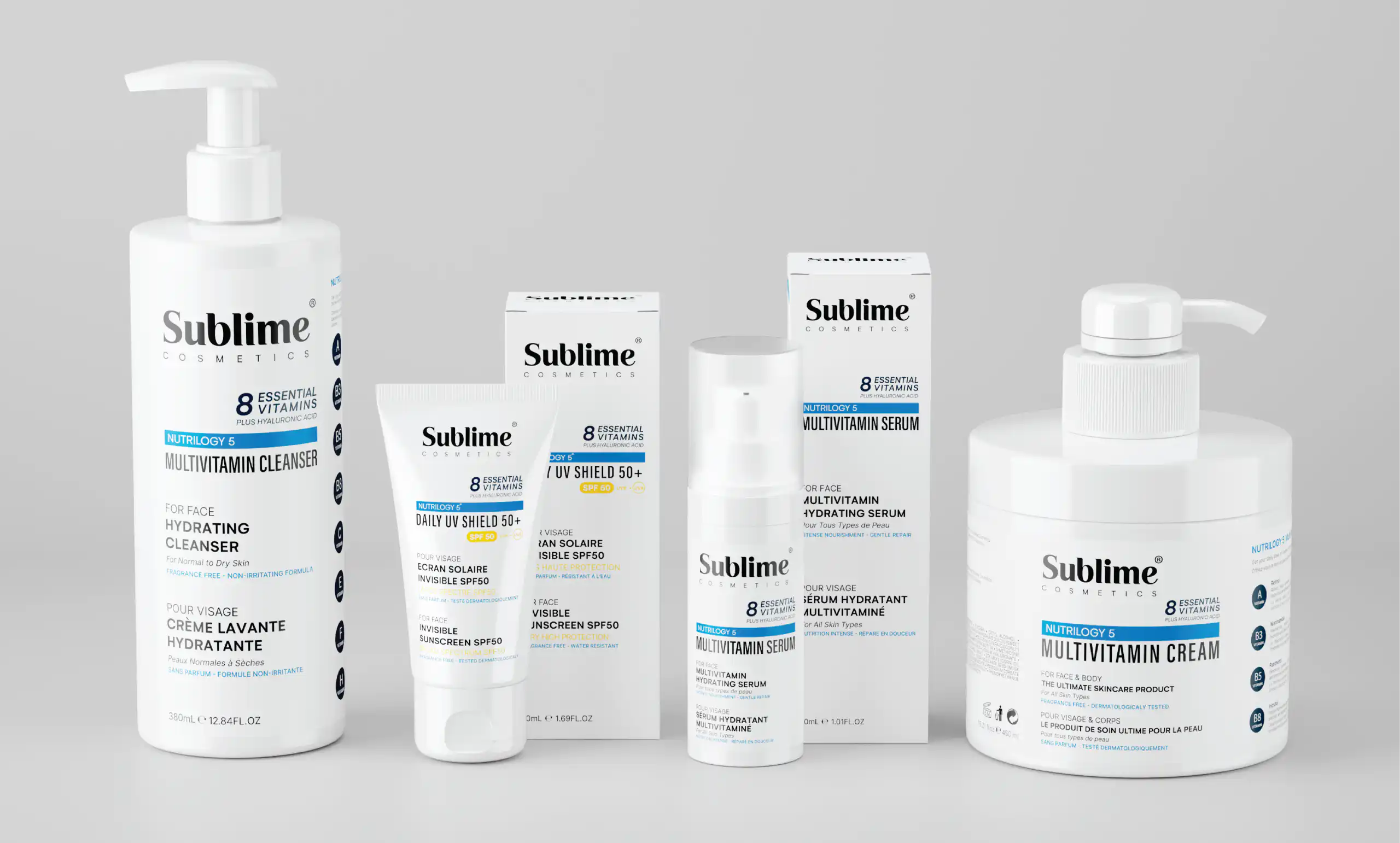
In short: in Morocco, the best-selling cosmetics in 2026 fall into four families: skincare (moisturizers, sun care, anti-aging), hair care, traditional natural cosmetics (argan oil, ghassoul, rose water) and, growing fast, dermocosmetic care with proven actives. All this in a market valued at $1.98 billion in 2025 and expected to reach $3.59 billion by 2032 according to Maximize Market Research, an average annual growth rate of 8.12%.
This article breaks down, category by category, what actually sells in Morocco, where consumers buy, who they are, and how a brand can position itself to meet this demand.
Contents
The Moroccan cosmetics market in figures
The Moroccan cosmetics sector is no longer a niche market. Several research firms agree on a sustained growth trajectory:
- USD 1.98 billion: estimated value of the Moroccan cosmetics market in 2025 (Maximize Market Research).
- USD 3.59 billion: projection for 2032, with a CAGR of 8.12% over 2026-2032.
- USD 1.5 billion in 2022 → 2.3 billion projected for 2026 according to an earlier Statista estimate, which already confirmed the same trend.
Three drivers explain this growth: the wealth of local ingredients (argan, ghassoul, rose, prickly pear), the shift to online buying through e-commerce, and the rising purchasing power of an increasingly demanding urban middle class.
For a detailed analysis of the 2025-2032 forecasts, see our complete study of the Moroccan cosmetics market.
What are the best-selling cosmetics in Morocco?
Here, ranked by commercial weight, are the categories driving demand in 2026.
| Rank | Category | Key products | Why it sells |
|---|---|---|---|
| 1 | Argan oil care | Oils, serums, creams, hair care | Iconic ingredient, premium natural image |
| 2 | Skincare & sun care | Moisturizers, SPF 50+, anti-aging | Sunny climate, prevention, daily routine |
| 3 | Hair care | Shampoos, masks, oils, scalp care | Hair loss and maintenance concerns |
| 4 | Active dermocosmetics | Niacinamide, hyaluronic acid, peptides | Demand for “clean”, scientifically proven products |
| 5 | Traditional cosmetics | Ghassoul, black soap, rose water, prickly pear | Hammam tradition, authenticity, affordable prices |
| 6 | Makeup | Long-wear foundations and lipsticks | Social media influence, staying power in high heat |
| 7 | Hygiene & body care | Shower gels, deodorants, lotions | Mass consumption, high purchase frequency |
1. Argan oil care
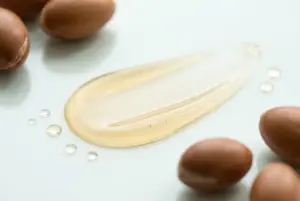
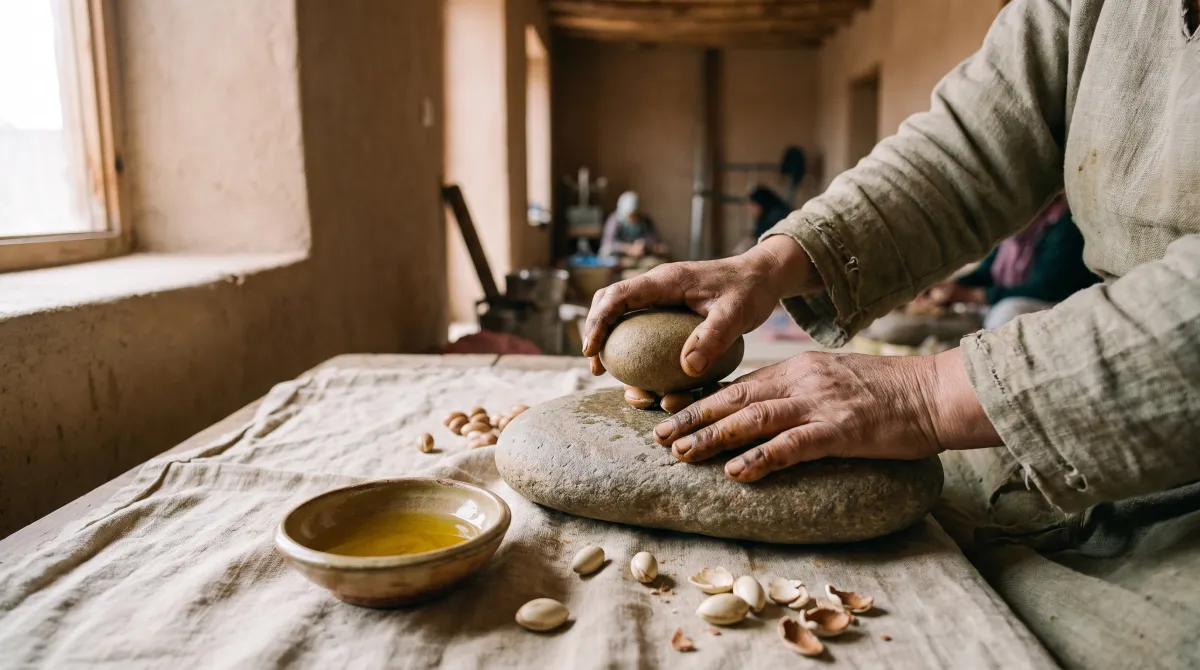
Nicknamed “liquid gold”, argan oil remains Morocco’s most iconic cosmetic product and one of its best sellers, both locally and for export. Rich in vitamin E, omega 6 and 9 and antioxidants, it comes as pure oils, serums, face and body creams, and hair care. Its commercial strength lies as much in its efficacy as in its 100% natural image, perfectly in line with today’s expectations. It is also the ingredient major international houses (L’Oréal, Yves Rocher, La Roche-Posay) include in their own ranges.
2. Skincare and sun protection
Skincare is the dominant segment of the market. Moisturizing creams, lotions and sunscreens take center stage. Morocco’s climate, hot and sunny for much of the year, makes SPF 50+ products a must, whether dedicated sunscreens or day creams with built-in protection. Anti-aging care completes this winning trio, driven by customers who invest in prevention earlier and earlier.
3. Hair care
Hair care shows some of the strongest growth in the sector. Moroccan consumers, men and women alike, want answers to hair loss, dryness and maintenance concerns. Shampoos, masks, repairing oils and now treatments targeting the scalp (“scalp care”) lead the best sellers. Argan and ghassoul are recurring actives.
4. Dermocosmetics and science-backed actives
This is the trend reshaping the top of the market. Consumers no longer want just “natural”: they demand products that are safe, clean and scientifically proven, known as “clean-clinical beauty”. In practice, this drives demand for care built around recognized actives: niacinamide, hyaluronic acid, biomimetic peptides, gentle exfoliants and targeted serums. Parapharmacies have become the natural home of this category.
5. Traditional cosmetics: ghassoul, black soap, rose water
Traditional oriental cosmetics keep strong demand across generations. Ghassoul (rhassoul), a purifying clay, and black soap remain the pillars of the hammam ritual. Rose water, orange blossom, prickly pear seed oil and black seed complete a traditional range prized for its authenticity and affordable prices. These ingredients are also in high demand internationally in bulk. Spas, riads and hotels increasingly offer them under their own brand, in treatment rooms and in their shops: see our cosmetics laboratory for riads, spas and hotels in Marrakech.
6. Long-wear makeup
Driven by TikTok and Instagram, makeup is growing steadily. The Moroccan specificity: a clear preference for long-wear formulas that stand up to the heat, and more and more products with built-in sun protection.
7. Hygiene and body care
Less visible but fast-moving, the hygiene and body care segment (shower gels, deodorants, body lotions) represents considerable volume, driven by high purchase frequency and very wide supermarket distribution.
Where do Moroccans buy their cosmetics?
Distribution today is split across four complementary channels:
- E-commerce: the most dynamic channel. Moroccan online retail passed a symbolic milestone with more than 15 billion dirhams of online spending in 2025 (Concli analysis reported by H24info), and beauty benefits directly. Mobile is king.
- Pharmacies and parapharmacies: booming. Dermocosmetic aisles are always busy, and the habit has spread to all social classes, no longer just affluent customers.
- Supermarkets and hypermarkets: the home of the mass market and fast-moving hygiene products.
- Specialist shops and cooperatives: essential for natural and traditional cosmetics (argan, ghassoul).
Who buys? The Moroccan consumer profile
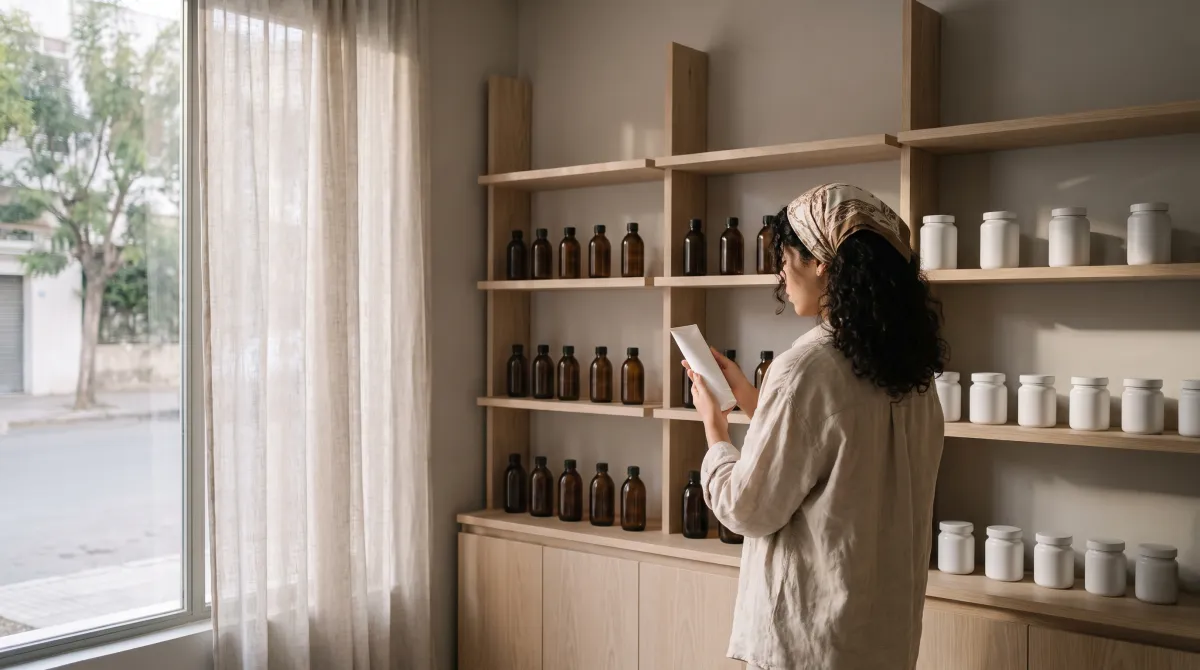
Understanding the buyer matters as much as knowing the product:
- Women: ≈ 62% of the market (Maximize Market Research), increasingly influenced by international beauty standards.
- Men: ≈ 38%, a segment driven by hair care and grooming.
- Strong demand for cruelty-free, vegan and paraben-free products.
- Buying habits heavily shaped by digital: customer reviews, content creators, influencer marketing.
The 2026 trends reshaping the best sellers
Four dynamics shape the year:
- The rise of dermocosmetics and the boom in “clean-clinical beauty”: natural, but scientifically validated.
- Smart and bio-adaptive actives: biomimetic peptides, advanced encapsulation, and local actives such as cactus, prickly pear and black seed.
- Science-led hair care: “scalp intelligence”, soothing serums and hair growth oils.
- Sun protection and long wear: essential in a hot climate, and increasingly built right into formulas.
Morocco is also strengthening its position as a strategic source of natural ingredients for the global industry, which adds value to local production.
How to launch a brand that meets this demand
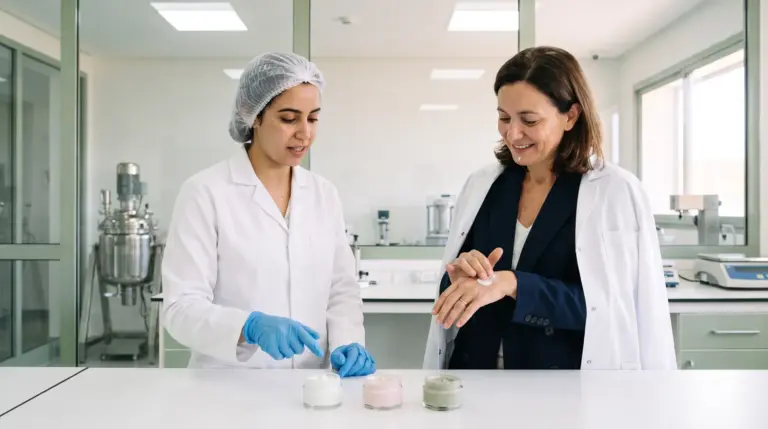
The picture is clear: Moroccan demand is moving toward products that are natural, safe, proven and well formulated. For a brand, the deciding factor is no longer the idea but the ability to produce fast, well and in compliance. That is exactly the role of a partner cosmetics laboratory.
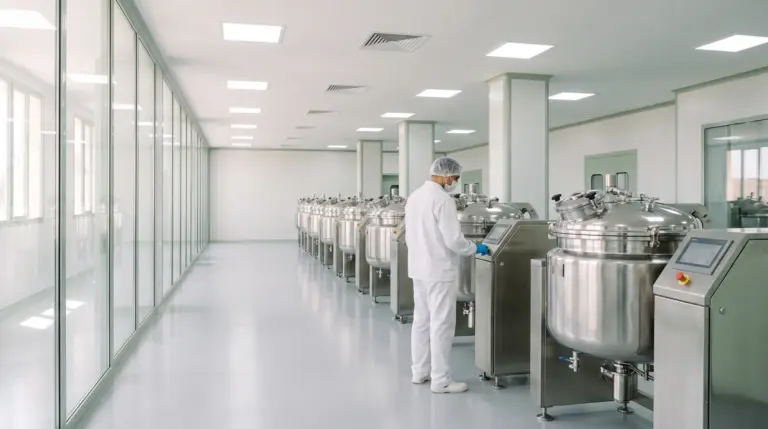
At Carmel Cosmetics Labs, a laboratory based in Agadir in the heart of argan country, we support brands from A to Z:
- Expert formulation: 1,000+ formulas ready to use (face, body, hair) and custom development.
- Compliance under control: ISO 22716 / GMP standards, local requirements, organic ingredient options.
- White label & private label: to launch or expand a range quickly, with an accessible MOQ.
- Strategic location: smooth logistics access to Europe, Africa and the Middle East.
To go further, see our ranking of the best white label cosmetics laboratories in Morocco, or contact our team to discuss your project.
FAQ — Best-selling cosmetics in Morocco
What is the best-selling cosmetic product in Morocco? Argan oil care products remain the most iconic and among the best sellers, closely followed by skincare (moisturizers and sun care) and hair care.
How big is the cosmetics market in Morocco? The Moroccan cosmetics market is valued at $1.98 billion in 2025 and is expected to reach $3.59 billion by 2032 (Maximize Market Research), an average annual growth rate of 8.12%.
Are natural cosmetics the most in demand in Morocco? Natural remains a strong foundation (argan, ghassoul, rose), but the 2026 trend adds a requirement: consumers want natural products that are scientifically proven, which explains the rise of dermocosmetics.
Where do people buy cosmetics in Morocco? Mainly through e-commerce (the most dynamic channel), pharmacies and parapharmacies, supermarkets and specialist shops. For brands selling through these channels, see our cosmetics laboratory for brands and distributors in Casablanca.
What are the cosmetics trends in Morocco in 2026? Dermocosmetics and “clean-clinical beauty”, smart actives (peptides, encapsulation), science-led hair care and built-in sun protection.