


Looking for reliable B2B data on the cosmetic ingredients that will dominate 2026? You are in the right place — and you are probably one of the few. Almost all the content on this topic targets end consumers: beauty lists, product reviews, magazine top tens. Zero depth for brand founders, independent formulators or product managers who need real figures: usage levels, INCI nomenclature, formulation compatibility, EU/Morocco/US regulatory framework, target product ranges.
This guide fixes that. At Carmel Cosmetics Labs, we have been formulating white label cosmetics for years — face, body, sun care — and we have compiled here our hands-on analysis of the 10 trending cosmetic actives for 2026 that matter most for any brand that wants to stay competitive. Each ingredient is broken down: mechanism of action, usage level, supportable claims, regulatory pitfalls and practical formulation advice.
Why these ingredients dominate 2026 (context: longevity, clean, biotech)
Three structural macro-trends are reshaping the cosmetic actives market in 2026 and explain why these 10 ingredients are emerging at the same time:
- The Longevity Skincare wave: driven by the science of cellular aging (senescence, NAD+, sirtuins), a generation of active consumers wants actives that no longer mask aging but slow it biologically. Brands that position themselves in this space today are 2–3 years ahead.
- Clean Biotech: the “natural vs synthetic” divide is outdated. 2026 is the year of “clean biotech” — actives produced by biotechnology (fermentation, plant bioengineering) with an impeccable safety profile and proven efficacy. Bakuchiol, postbiotics and plant exosomes are its emblems.
- The skin barrier as a foundation: after years of over-promising radiance and anti-aging, premium brands are returning to the barrier — ceramides, beta-glucans, topical probiotics. Deeply healthy skin can be measured and proven.
These trends are not fads: they are backed by rising patent filings, growing R&D budgets at major ingredient makers (BASF, Evonik, Givaudan) and growing consumer demand documented in GWI and Mintel studies for 2025–2026.
Top 10 trending cosmetic ingredients for 2026 — detailed analysis
1. Plant exosomes — Exosome Plant Extract
Mechanism of action: Exosomes are nanoscale extracellular vesicles (30–150 nm) naturally secreted by plant cells or produced through biotechnology. They carry messenger RNA, proteins and bioactive lipids that can reach the deeper skin layers and trigger cellular regeneration cascades. Applied topically, plant exosomes (from plants such as Centella asiatica, grape or turmeric) stimulate collagen synthesis, speed up epidermal repair and reduce inflammatory markers.
- Common INCI: Plant-derived Exosome Extract, Vitis vinifera Exosome Extract
- Typical usage level: 0.5% to 3% in the aqueous phase (after heating, T° < 40°C)
- Supportable claims (EU/FR): “promotes skin regeneration”, “improves post-procedure recovery”, “supports cell renewal” — caution: any “repairing” claim must stay cosmetic and not drift into medicinal territory (Art. 2, Regulation 1223/2009)
- Formulation compatibility: Sensitive to heat and extreme pH. Incompatible with high concentrations of alcohol (> 15%). Stable between pH 5.5 and 7.
- Ideal range: Post-procedure serums, concentrated regenerating serums, recovery masks, premium anti-aging essences
2. Next-generation signal peptides — Matrixyl 3000, Argireline, Biopeptide EL
Mechanism of action: Signal peptides are short amino acid sequences (3 to 10 residues) that mimic or inhibit natural biological messengers. Matrixyl 3000 (palmitoyl tripeptide-1 + palmitoyl tetrapeptide-7) stimulates the production of collagen I, III and fibronectin. Argireline (acetyl hexapeptide-3) inhibits the release of muscle neurotransmitters, reducing the contractions behind expression lines. Biopeptide EL (palmitoyl lysine) boosts elastin synthesis and improves skin bounce.
- INCI: Palmitoyl Tripeptide-1, Palmitoyl Tetrapeptide-7, Acetyl Hexapeptide-3, Palmitoyl Lysine
- Typical usage level: 0.5% to 5% depending on the peptide (refer to Sederma/Lucas Meyer supplier data sheets)
- Incorporation phase: Aqueous phase, T° < 40°C, pH 4.5–7.5
- Supportable claims: “reduces the appearance of wrinkles”, “firms the skin”, “improves elasticity” — avoid any medical claim (surgical lift, unqualified botox-like)
- Formulation compatibility: Incompatible with strong oxidizers and some preservatives at high concentration. Test stability for at least 3 months.
- Ideal range: Anti-aging serums, lifting day/night creams, concentrated eye-contour products
3. Bakuchiol — Bakuchiol (Psoralea corylifolia Seed Extract)
Mechanism of action: Bakuchiol is a plant-derived meroterpene extracted from the seeds of Psoralea corylifolia. It activates the same retinoid receptors as retinol (RAR and RXR) while avoiding irritation, photosensitization and the pregnancy contraindication. At 0.5%, it stimulates production of collagen types I, III and IV, regulates cell renewal, reduces melanogenesis and improves skin texture in a way clinically comparable to 0.5% retinol, according to the Dhaliwal et al. study (BJD, 2019).
- INCI: Bakuchiol
- Typical usage level: 0.5% to 2% in the oil phase or solubilized
- Incorporation phase: Oil phase or emulsion, heat-stable up to 70°C
- Supportable claims: “natural alternative to retinol”, “suitable for sensitive skin and pregnant women”, “anti-aging without irritation”, “regulates cell renewal”
- Regulation: Not subject to the EU retinol restrictions (unlike retinol, limited to 0.3% face / 0.05% body since 2022). No specific pregnancy labeling requirement.
- Formulation compatibility: Good oxidative stability with antioxidants (tocopherol, rosemary extract). May slightly yellow the formula.
- Ideal range: “Clean retinol” serums, pregnancy-safe anti-aging creams, premium natural/organic lines
4. NAD+ / NADH — Nicotinamide Adenine Dinucleotide
Mechanism of action: NAD+ is a coenzyme essential to cellular bioenergetics and to regulating sirtuins (the longevity proteins). Its level in the skin drops by ~50% between ages 20 and 50. Applied topically, NAD+ and its precursors (niacinamide, topical NMN) stimulate DNA repair mechanisms (PARP-1), support mitochondrial energy production in keratinocytes and activate SIRT1/SIRT3, delaying cellular senescence. It is the most scientifically supported pillar of “longevity skincare”.
- INCI: NAD+ (Nicotinamide Adenine Dinucleotide), Nicotinamide (direct precursor, excellent stability)
- Typical usage level: NAD+ 0.01%–0.1% (costly, concentrated active); Niacinamide 2%–5% for synergy
- Incorporation phase: Aqueous phase, pH 5–7, T° < 50°C. NAD+ is unstable at pH > 7.
- Supportable claims: “supports cellular energy”, “longevity active”, “cellular anti-aging”, “repairs the signs of oxidative stress”
- Compatibility: Avoid combining with strong acids (AHA > 5%). Synergy with resveratrol and astaxanthin.
- Ideal range: Premium longevity serums, “skin energy” creams, 40+ anti-aging lines
5. Postbiotics and ferments — Lactobacillus Ferment, Bifida Ferment Lysate
Mechanism of action: Postbiotics are the bioactive metabolites produced by bacterial fermentation: organic acids, antimicrobial peptides, enzymes, lipopolysaccharides and exopolysaccharides. Bifida Ferment Lysate (popularized by the SK-II brand) strengthens the skin barrier by stimulating the production of endogenous ceramides and tight junction proteins (claudin, occludin). Lactobacillus ferments produce lactic acids and bacteriocins that regulate the skin microbiome and reduce the opportunistic pathogens involved in acne and rosacea.
- INCI: Bifida Ferment Lysate, Lactobacillus Ferment, Lactococcus Ferment Lysate
- Typical usage level: 1% to 10% depending on the concentration of the raw ferment
- Incorporation phase: Aqueous phase or post-emulsion, T° < 45°C, pH 4.5–6.5
- Supportable claims: “balances the skin microbiome”, “strengthens the skin barrier”, “soothes reactive skin”, “topical prebiotic/probiotic”
- Compatibility: Incompatible with high doses of bactericidal preservatives (DMDM hydantoin). Compatible with paraben-free systems and dosed phenoxyethanol.
- Ideal range: Microbiome serums, soothing creams, care for sensitive/reactive skin, baby-to-adult ranges
6. Premium synthetic ceramides — Ceramide NP, AP, EOP
Mechanism of action: Ceramides make up 50% of the epidermis’s intercellular lipids and are the cement of the skin barrier. Synthetic ceramides (NP, AP, EOP — Natural, Alpha-hydroxy, Esterified omega-hydroxy Phytosphingosine) reproduce native lipid structures with higher purity and reproducibility than natural extracts. They settle in the intercellular spaces of the stratum corneum, reducing transepidermal water loss (TEWL), restoring the lipid gradient and blocking irritants and allergens.
- INCI: Ceramide NP, Ceramide AP, Ceramide EOP (often formulated with Cholesterol + Fatty Acids for the complete complex)
- Typical usage level: 0.1% to 3% (optimal ratio: Ceramides/Cholesterol/Fatty Acids = 3:1:1)
- Incorporation phase: Oil phase or pre-emulsified (liposomes). T° 70–80°C for incorporation, or cold process depending on the carrier.
- Supportable claims: “restores the skin barrier”, “reduces water loss”, “strengthens skin resilience”, TEWL claims measurable in 28 days
- Compatibility: Excellent with niacinamide, hyaluronic acid, beta-glucan. Watch physical stability in light emulsions (risk of phase separation).
- Ideal range: Barrier creams for atopic/eczema-prone skin, dry body care, dermatological ranges, baby
7. Tranexamic acid — Tranexamic Acid
Mechanism of action: Tranexamic acid (TA) is a synthetic lysine derivative, originally developed as a medical hemostatic. In topical cosmetics, it inhibits keratinocyte-melanocyte interaction by blocking plasminogen activator, reducing the synthesis of pro-melanogenic prostaglandins. The result: significant melanin inhibition without cellular toxicity (unlike hydroquinone), a more even skin tone and fewer post-inflammatory marks (PIH) in 8–12 weeks.
- INCI: Tranexamic Acid
- Typical usage level: 2% to 5% (efficacy proven from 2% in clinical studies)
- Incorporation phase: Aqueous phase, pH 5–7, excellent thermal stability profile
- Supportable claims: “evens skin tone”, “reduces the appearance of dark spots”, “luminous radiance”, “alternative to hydroquinone” — avoid “depigmenting” (medical connotation in the EU)
- Regulation: Not listed in Annex IV (regulated substances) of Regulation 1223/2009. No known usage restrictions in the EU/France/Morocco to date. Monitor SCCS updates.
- Compatibility: Excellent with niacinamide, stable vitamin C (ascorbyl glucoside), alpha-arbutin. Avoid pH < 4.
- Ideal range: Radiance/dark-spot serums, tone-evening creams, care for hyperpigmentation-prone skin, post-acne
8. Oat beta-glucan — Beta-Glucan (Avena Sativa)
Mechanism of action: Oat beta-glucan is a high-molecular-weight polysaccharide extracted from the bran of Avena sativa. It forms a biocompatible film on the skin’s surface, holds water (film-forming humectant), stimulates the Dectin-1 receptors of skin macrophages to regulate the inflammatory response, and activates dermal fibroblasts to increase collagen synthesis. Its tolerance profile is exceptional — suitable even for severe atopic skin, post-procedure skin and infants.
- INCI: Beta-Glucan, Avena Sativa Kernel Extract
- Typical usage level: 0.1% to 1% (high MW) or 0.5% to 3% (low MW for greater penetration)
- Incorporation phase: Aqueous phase, pH 4–8, heat-stable up to 80°C
- Supportable claims: “soothes redness and irritation”, “deeply hydrates”, “strengthens the skin barrier”, “suitable for atopic skin”
- Compatibility: Excellent with ceramides, niacinamide, panthenol. May slightly reduce absorption of other actives (film effect) — sequence it in the routine.
- Ideal range: Soothing creams, calm/repair serums, baby care, dermatological ranges, after-sun
9. Ergothioneine — Ergothioneine (L-Ergothioneine)
Mechanism of action: Ergothioneine is a sulfur-containing amino acid naturally produced by certain fungi and bacteria, absorbed by the body through a specific transporter (OCTN1) that is overexpressed in tissues under oxidative stress. Topically, it is one of the most powerful antioxidants known: 1,000 to 3,000 times more active than vitamin C according to some in vitro measurements, with remarkable stability and a mechanism that chelates pro-oxidant metals (iron, copper), giving it a long-lasting action. It also protects skin mitochondria from age-related degradation.
- INCI: L-Ergothioneine (or Ergothioneine)
- Typical usage level: 0.05% to 0.5% (niche active, high cost — Mibelle Biochemistry, Theobromine EGT)
- Incorporation phase: Aqueous phase, pH 5–7, stable in formula (does not oxidize in air)
- Supportable claims: “powerful antioxidant”, “protects against environmental stress”, “cellular anti-aging”, “longevity active”
- Compatibility: Excellent with NAD+, resveratrol, vitamins C/E. Ideal synergy for a longevity complex.
- Ideal range: Premium antioxidant serums, urban/anti-pollution protection creams, 35+ longevity lines
10. GHK-Cu copper peptides — Copper Tripeptide-1
Mechanism of action: GHK-Cu (glycyl-L-histidyl-L-lysine : Cu²⁺) is a copper-complexed tripeptide naturally present in human plasma, saliva and urine, at levels that decline with age. Applied topically, it stimulates the synthesis of collagen, elastin and glycosaminoglycans, activates superoxide dismutase (antioxidant defense), promotes vascularization (local angiogenesis) and speeds up tissue repair. Unlike other peptides, it works at nanomolar concentrations and has a solid clinical literature (Dr Loren Pickart, 40+ studies).
- INCI: Copper Tripeptide-1 (formerly Copper Peptide GHK-Cu)
- Typical usage level: 0.01% to 1% depending on supplier quality (purity > 95% recommended)
- Incorporation phase: Aqueous phase, pH 6–7.5. Incompatible with strong acids (L-ascorbic vitamin C, AHAs) — risk of oxidation and color change (blue-green visible < 0.5%).
- Supportable claims: “regenerates the skin in depth”, “reduces the appearance of wrinkles”, “firms and plumps”, “supports skin recovery”
- Compatibility: Excellent with beta-glucan, hyaluronic acid, ceramides. Avoid formulating together with vitamin C and AHAs (formulate separately for AM/PM).
- Ideal range: Premium regenerating serums, 45+ anti-aging care, post-procedure serums, scalp care
How Carmel Cosmetics Labs builds these actives into your white label range (R&D, MOQ, sourcing)
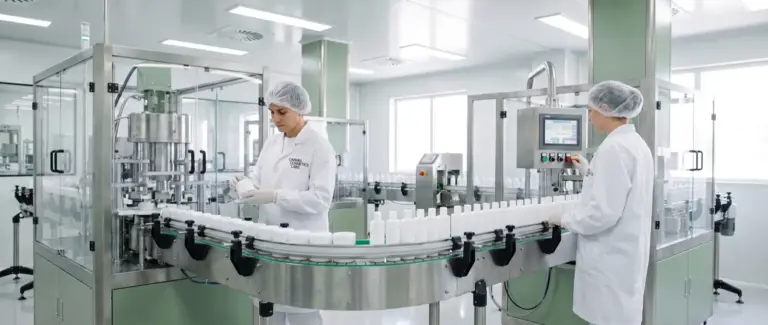
At Carmel Cosmetics Labs, our R&D team formulates white label products that include these advanced actives in a way that is industrially viable and regulatory-sound. Here is what that means in practice for your brand:
- Certified active sourcing: We work with certified active ingredient suppliers (BASF, Evonik, Givaudan, Mibelle, Sederma, Lucas Meyer Cosmetics) with complete technical files (TDS, SDS, INCI, CoA). Every active in your formulas is traced and documented for your EU cosmetic product file.
- Accessible MOQ: No need to order tonnes of premium raw materials to get started. Carmel negotiates active volumes through our pooled purchasing, giving you access to high-end ingredients with an accessible MOQ, adapted to each product.
- Formulation + stability: Every formula with a trending ingredient goes through accelerated stability testing (45°C/75% RH, 3 months minimum) and packaging compatibility testing before your launch. No surprises after production.
- Product file & compliance: We prepare the complete cosmetic product file (EU Regulation 1223/2009) with safety assessment, CPNP notification and a regulatory claims guide, so you can sell without legal risk in Europe and Morocco.
- Marketing claims support: We turn active benefits into compliant commercial claims — neither too cautious nor too risky — so your packaging and website copy is compelling AND legal.
Want to include one or more of these actives in your next range? Contact our R&D team for a free consultation and a tailored formulation quote.
5 pitfalls to avoid when adding a trending ingredient
Trending ingredients bring as many costly mistakes as opportunities. Here are the 5 pitfalls we see most often in brands that contact us after a bad experience:
- ???? Pitfall #1 — Sourcing the active at the lowest price without checking quality: A “discount” exosome extract or GHK-Cu may be diluted, poorly standardized or lack reliable INCI documentation. The result: zero efficacy, a product file you cannot build, and a recall risk. Always require a complete CoA (Certificate of Analysis) and TDS (Technical Data Sheet).
- ???? Pitfall #2 — Copying usage levels from studies without adapting to the base: A level that works in a pure aqueous solution may not work in a complex emulsion. Stability, bioavailability and interaction with other components change everything. Formulation is a science, not copy-paste.
- ???? Pitfall #3 — Overly aggressive claims: “Plant botox”, “erases wrinkles in 7 days”, “repairs skin DNA” — these claims are either unsupportable (EU Regulation) or disguised medical claims that expose your brand to DGCCRF action or customs seizures. Validate every claim with a solid literature base and the opinion of a qualified safety assessor.
- ???? Pitfall #4 — Ignoring formulation incompatibilities: GHK-Cu + vitamin C = oxidation and color change. NAD+ + alkaline pH = instability. Exosomes + alcohol > 15% = denaturation. These mistakes often go unnoticed in rushed R&D but become visible to consumers after 3–6 months.
- ???? Pitfall #5 — Skipping stability tests: An ingredient that is “stable” according to the supplier sheet can destabilize the whole formula in your specific packaging (airless pump vs jar, PET vs glass). Always test under real packaging and shipping conditions (45°C heat, freeze-thaw cycles for export).
FAQ — trending cosmetic ingredients for 2026
What is the most promising cosmetic ingredient for 2026?
Plant exosomes and GHK-Cu copper peptides attract the most R&D interest in 2026, especially for regenerating and post-procedure care. But “promising” depends on your target: for a clean/pregnancy-safe positioning, bakuchiol is the most strategic. For longevity, NAD+ and ergothioneine.
Is bakuchiol really as effective as retinol?
The reference study (Dhaliwal et al., British Journal of Dermatology, 2019) shows comparable efficacy on wrinkles and pigmentation for 0.5% bakuchiol vs 0.5% retinol, with significantly less irritation. In white label formulation, it has the regulatory advantage of not being subject to the 2022 EU retinol restrictions.
Are cosmetic exosomes regulated in Europe?
In 2026, topical plant exosomes are considered conventional cosmetic actives (no specific EU/SCCS regulation). Exosomes of human or animal origin require particular regulatory attention — Carmel recommends only plant or biotech variants for EU/Morocco white label brands.
Can I combine several of these trending actives in one serum?
Yes, but methodically. “Longevity complex” combinations (NAD+ + ergothioneine + GHK-Cu) or “premium barrier” combinations (ceramides + beta-glucan + postbiotics) make sense from a formulation standpoint. On the other hand, avoid GHK-Cu + ascorbic vitamin C or exosomes + high alcohol in the same base. Our R&D team can optimize the multi-active formula for you.
Can Carmel Cosmetics Labs supply these actives to me directly?
No — we buy actives to formulate your finished white label products. We are not raw material distributors. If you are looking for an active ingredient supplier, we can recommend our partners for the ingredient you need.
How long does it take to launch a white label serum with a trending active?
From R&D brief to validated finished product, the timeline depends on the complexity of the multi-active formula, the stability tests required and the packaging chosen. It is defined with you in the quote. A simple product (existing base + 1–2 actives) is naturally faster to bring to market.
Conclusion: 2026 actives are a positioning opportunity, not just a list of trends
What sets apart the white label brands that perform in 2026 is not having “bakuchiol” or “exosomes” on the label — it is using them intelligently: the right concentration, the right formulation, consistent claims, solid product storytelling. The 10 ingredients in this guide are not a shopping list: they represent differentiating positioning territories (clean beauty, longevity, biotech, microbiome) that you can claim now, before the B2C market makes them commonplace.
At Carmel Cosmetics Labs, we support brand founders and distributors who want to take these positions with solid formulas, complete regulatory files and actives sourced from the world’s best suppliers. Discover our white label R&D approach or contact our team directly to discuss your next range with these 2026 trending ingredients.