
























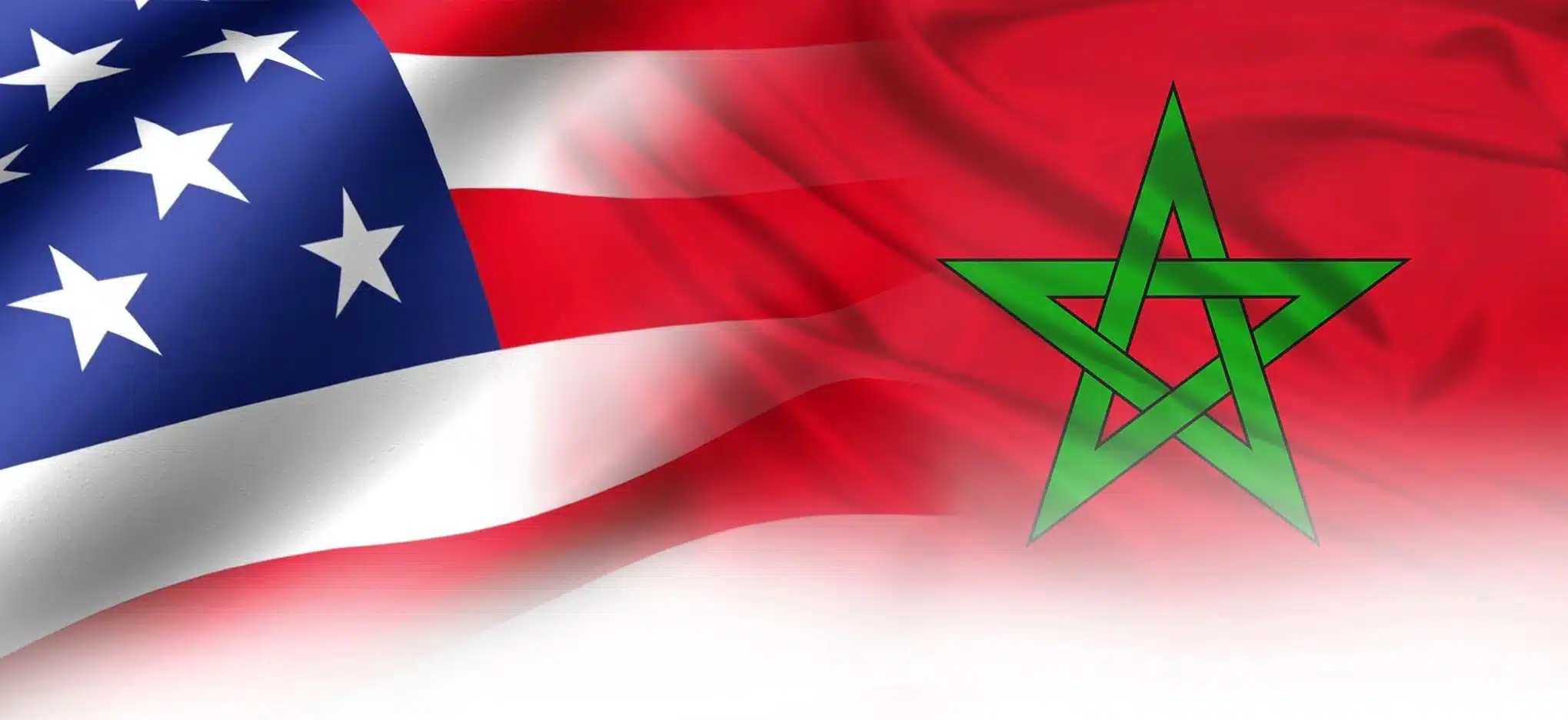
If you’re in the cosmetics or pharmaceutical business, you’ve probably been feeling the heat from all the new tariffs and trade restrictions in the U.S. We get it—costs are rising, supply chains are unpredictable, and finding reliable, affordable manufacturing partners is getting harder by the day.
Well, here’s the good news: Morocco might just be the game-changer you’ve been looking for. Let’s talk about why this North African gem is quickly becoming the go-to destination for U.S. brands looking to cut costs and boost efficiency.
1. Morocco Has a Free Trade Agreement with the U.S.
Unlike China, Mexico, and Canada—where tariffs are pushing up costs—Morocco has a bilateral free trade agreement (FTA) with the U.S. that’s been in place since 2006. When it entered into force, it removed tariffs on over 95% of traded goods between the two countries; check the tariff measures currently in force before planning your imports. If you’re a cosmetics or pharmaceutical brand, this translates to big savings on manufacturing and importing costs. If your brand is based in Canada, see our page for Quebec and Canadian brands.
2. Morocco’s Location is a Logistics Dream
One of Morocco’s biggest advantages is its strategic location—it’s literally a gateway between Africa, Europe, and the U.S. That means faster and more affordable shipping options compared to China.
- By sea: Morocco to major U.S. ports (New York, Houston, Los Angeles) takes just 10-14 days (vs. 25-30 days from China).
- By air: Need your products fast? Flights from Casablanca to New York or Miami take only 8-12 hours.
3. Morocco is a Powerhouse in Cosmetics & Pharma
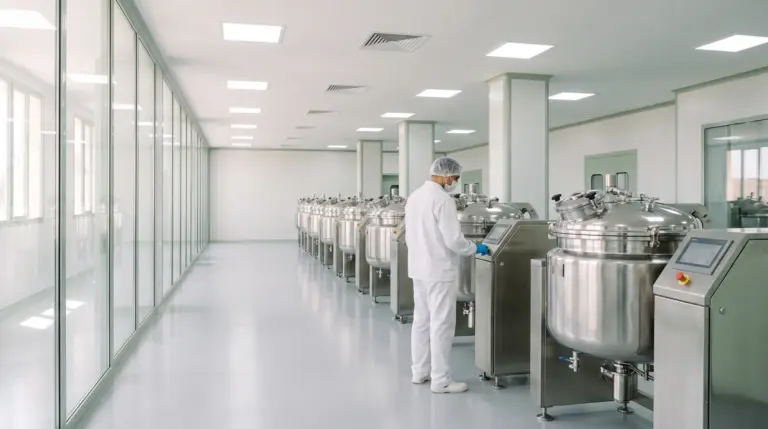
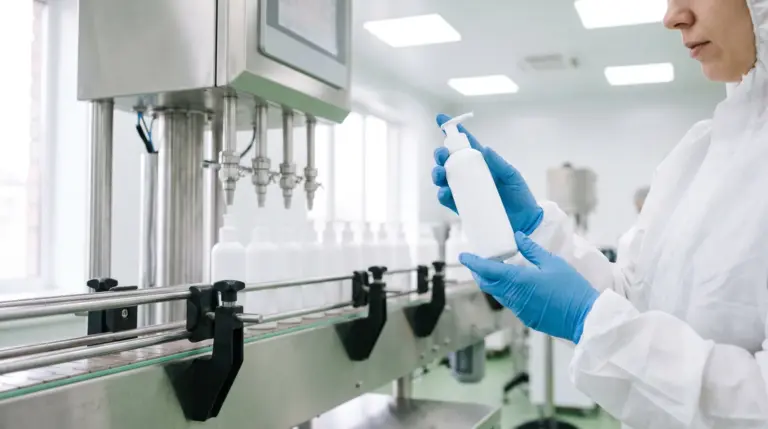
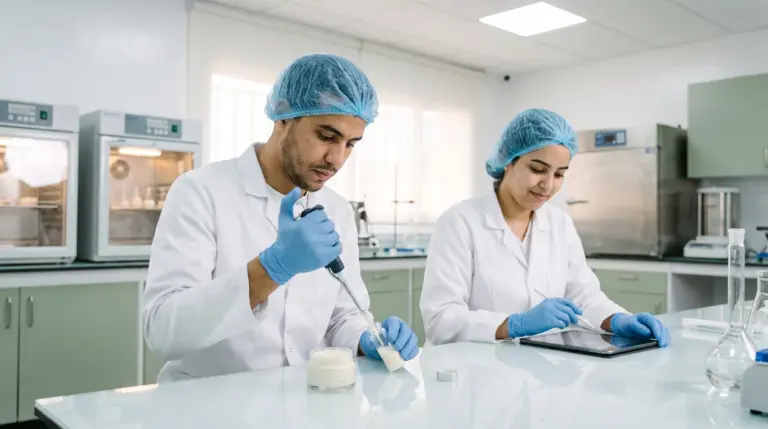
Morocco isn’t just another manufacturing hub—it’s a leader in pharmaceuticals and cosmetics in Africa. The country has a fully developed ecosystem that supports everything from R&D and formulation to production and packaging. Some highlights:
- Morocco supplies 80% of its own pharmaceutical needs and exports to 30+ countries.
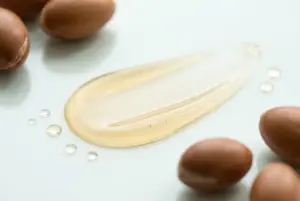
- The natural & organic beauty sector is booming, with high-quality, clean ingredients like argan oil, rose water, and ghassoul clay.
- International regulations? Check. Morocco’s advanced compliance frameworks make it easy for U.S. brands to stay within FDA and global standards.
4. Political Stability & Business-Friendly Policies
Unlike Mexico—where security concerns can impact business operations—Morocco offers a safe, predictable, and investment-friendly environment. The government actively supports foreign investors with tax breaks and incentives, making it easier for brands to set up production or sourcing operations.
5. Tariffs Are Wreaking Havoc on U.S. Cosmetics & Pharma
If you’ve been sourcing from China, Mexico, or Canada, you’ve likely felt the impact of the new tariffs announced in early 2025 (rates have changed since; check current measures):
- Canada & Mexico: 25% tariff on imports
- China: 10% tariff on imports
And it’s hitting the beauty and pharmaceutical industries hard. Analysts predict these tariffs could cost American households $1,000 to $1,200 annually, with inflation rising by 0.4 percentage points.
In 2024, the U.S. imported:
- $1.5 billion worth of cosmetics from China
- $1.2 billion from Canada
- $800 million from Mexico
With tariffs, these costs are only going up, forcing brands to increase prices, delay product launches, or even reformulate to cut costs. The solution? Move your sourcing to Morocco.
6. Carmel Cosmetics Labs: Your New Best Friend in Morocco
If you’re wondering how to navigate this shift without the headaches, that’s where we come in. At Carmel Cosmetics Labs, we’ve already helped multiple U.S. brands seamlessly transition their sourcing and manufacturing to Morocco. Here’s how we can help:
- Custom formulation & manufacturing tailored to your brand’s needs
- Full regulatory compliance with U.S. and international standards
- Competitive pricing so you don’t have to pass on higher costs to your customers
- Seamless logistics & distribution support
With the US–Morocco free trade agreement (check the tariff measures currently in force), partnering with Carmel Cosmetics Labs in Morocco can save your business thousands (or even millions) while maintaining quality and compliance.
The Bottom Line: Morocco is the Future of U.S. Cosmetics & Pharma
With its free trade agreement with the U.S., competitive costs, strong industry infrastructure, and fast logistics, Morocco is the perfect solution for U.S. brands looking to escape rising tariffs and supply chain chaos.
If you’re ready to explore how Morocco—and Carmel Cosmetics Labs—can help your brand thrive, let’s talk! We’d love to help you stay ahead of the game and keep your business profitable.