






























Creating a skincare line is one thing; marketing it is another. Learn how to write product descriptions that win customers and how to market skincare effectively with social media, influencers and SEO strategies.
If you sell creams, serums, soaps or other skin and hair care products online, building an effective skincare marketing and branding plan is one of the best ways to increase sales and get your products known.
Effective marketing plans can include social media campaigns, influencer partnerships and content creation – and we will come back to those – but they start with the foundations of your business: your brand, your product descriptions and how you stand out from competitors.
Knowing your company’s unique voice and who you are selling to is the first step in knowing how to market your brand. Every skincare brand differs in how it chooses its customers, its look and its product selection.
That said, skincare companies share common traits, and it helps to look at the most significant similarities to ask yourself: what should a product page look like? Which details do customers want highlighted? How do customers discover their next favorite product?
In this overview, we look at skincare marketing strategy, skincare promotion ideas, skincare advertising and much more.
Even companies with an outstanding product can struggle to make sales if their marketing strategy is not right.
Here is an overview of the different types of marketing you can use to draw attention to your skincare products.
1. Understand your skincare brand, your competitors and your target market
Deciding exactly what your brand is and who will buy it is the first step in your marketing. You cannot tell potential customers what to expect from your skincare range until you have worked out exactly what you are selling and why.
Define your skincare brand
Your brand is more than your logo and business name. It includes them, but it also defines your value proposition: the benefit you can offer customers when they use your product. Your value proposition must be specific, set you apart from competitors and tell buyers which problem, or “pain point”, you can solve for them.
A few questions to ask yourself:
- What can your products do that others cannot? Are they easier to use or more effective than your competitors’?
- Which skin, hygiene or cosmetic problem can your products solve or improve?
- What makes your skincare line unique? Do you use specialized or all-natural ingredients? Are you committed to environmentally friendly practices?
You need to be specific. Calling your brand “the best skincare in the world” is vague, overblown and tells customers nothing about your products. A tagline such as “Clean skincare made from the finest ingredients”, on the other hand, tells people you are committed to high-quality natural ingredients and transparent about what goes into your products.
Take Glossier. The brand presents itself as “The New Beauty Essentials” and “Skincare & Beauty Products Inspired by Real Life”. Customers can therefore expect easy-to-use products, and the brand offers a collection of skincare basics such as cleansers and moisturizers. The Ordinary presents itself as “Clinical Formulations with Integrity”, which means you can expect well-tested products with proven results that make you picture someone in a lab coat. This branding carries through to the packaging, with a clean look that highlights the active ingredients in each product.
Try studying different major skincare brands to see how their taglines and designs work together.
Know the skincare market
The next item on your checklist is working out who your customers are and what your competitors are doing. This is key before launching a marketing campaign, because you do not want to waste precious time and money trying to sell to people who are not even interested in skincare. For example, you will probably struggle to sell anti-aging serums to teenagers.
Knowing your target audience will also help you add more products, because you will already know what your customers want to see.
Take the time to ask yourself:
- What are your customers’ age, gender, ethnicity and income level?
- What are their interests and hobbies?
- Where do they live?
- Which social media platforms do they use most?
- What do they expect from the skincare products they use?
- Which products do they currently use?
- What would motivate them to try a new product?
You can go further by analyzing your own customer database, surveying customers with a tool such as SurveyMonkey or researching third-party industry data. If you sell in Morocco, start with the Morocco dermocosmetics market figures.
To get a feel for the competitive market, look at competitors’ websites, ads and social media posts to see how they sell. What do the models look like? In which settings do they place their products? Do they convey a sense of luxury or something more affordable?
2. Write skincare product descriptions that hit the mark
One of the keys to effective marketing is your ability to understand and counter your customers’ main objections, meaning every reason that makes them hesitate to buy. Showing a product image and a brightly colored “Buy now” button is not enough, especially if you sell a luxury skincare product.
Customers’ fears play a decisive role in whether or not they buy. For most types of skincare products, people’s biggest fear is “Will it work?”. People want proof, but they are at home in front of a screen and cannot try the product. How can you dispel that fear and give them concrete proof that they should click Add to cart?
By writing detailed product descriptions that answer every potential customer objection, you will encourage them to buy with confidence.
What result do your skincare products deliver?
People do not buy products, they buy results. Customers are looking for solutions that can help them – your products are simply a tool they use to get there.
For example, customers’ interest in acne treatments has little to do with filling their bathroom cabinet with yet another product. They buy these products because they want to treat and clear their acne.
Companies naturally see their products as a set of features. Features matter, but to really succeed, skincare sellers need to start thinking about what their customers ultimately want and what they are trying to achieve by using their products.
Take the description of an anti-aging night mask from Estée Lauder.
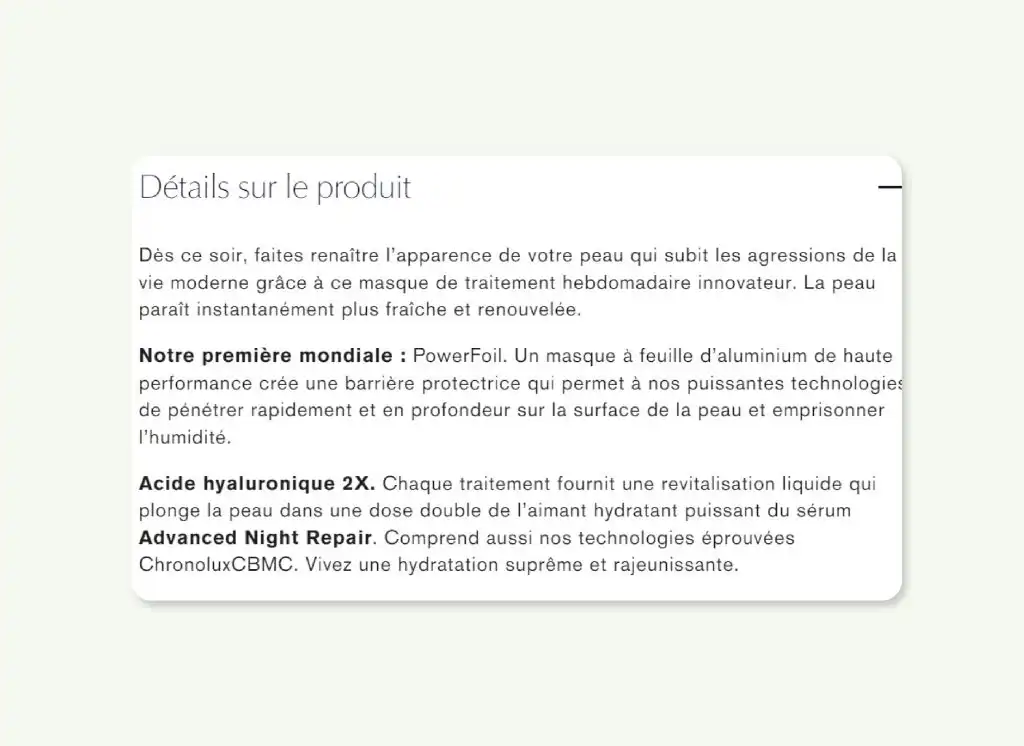
Nothing in this copy actually tells the customer what the mask will do. It promises “youthful hydration”, but does that mean it is simply a moisturizer, or that it treats wrinkles and fine lines? Does “helps lock in moisture” mean it replaces a night cream? Words like “fresher” or “renewed” sound nice but remain vague.
By contrast, this acne spot treatment from Origins is clearer about what the product does.
Nothing in this copy actually tells the customer what the mask will do. It promises “youthful hydration”, but does that mean it is simply a moisturizer, or that it treats wrinkles and fine lines? Does “helps lock in moisture” mean it replaces a night cream? Words like “fresher” or “renewed” sound nice but remain vague.
By contrast, this acne spot treatment from Origins is clearer about what the product does.
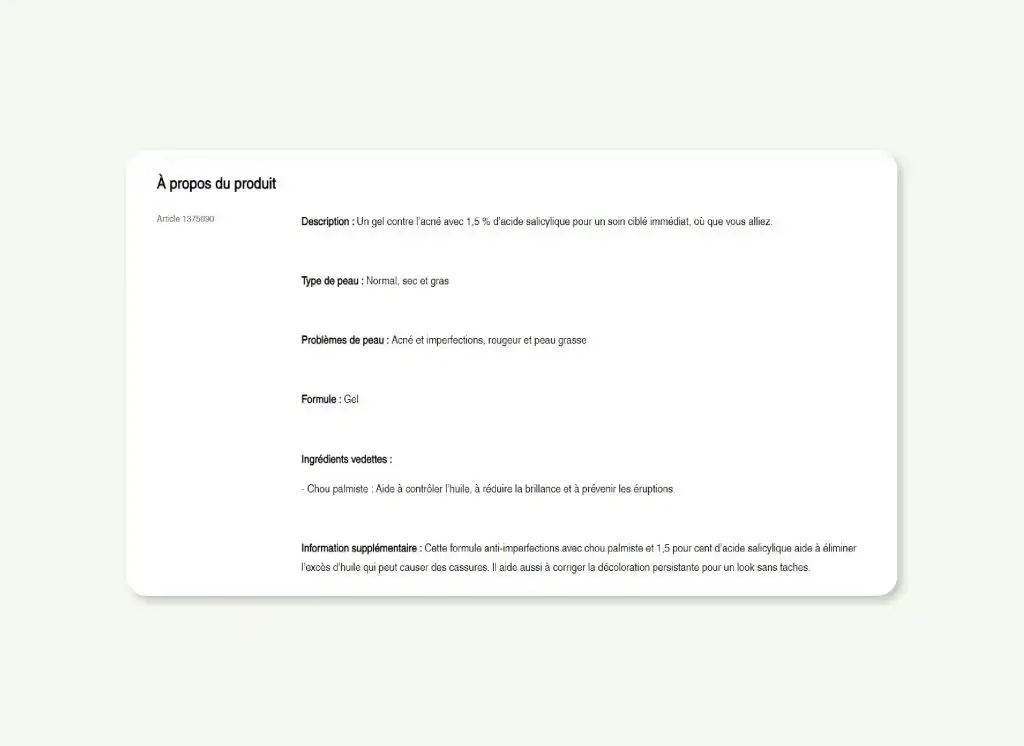
The description tells the buyer that the product works by clearing excess sebum and correcting discoloration – exactly what someone with acne may be looking for.
Or take this cream from Dr.Jart+.
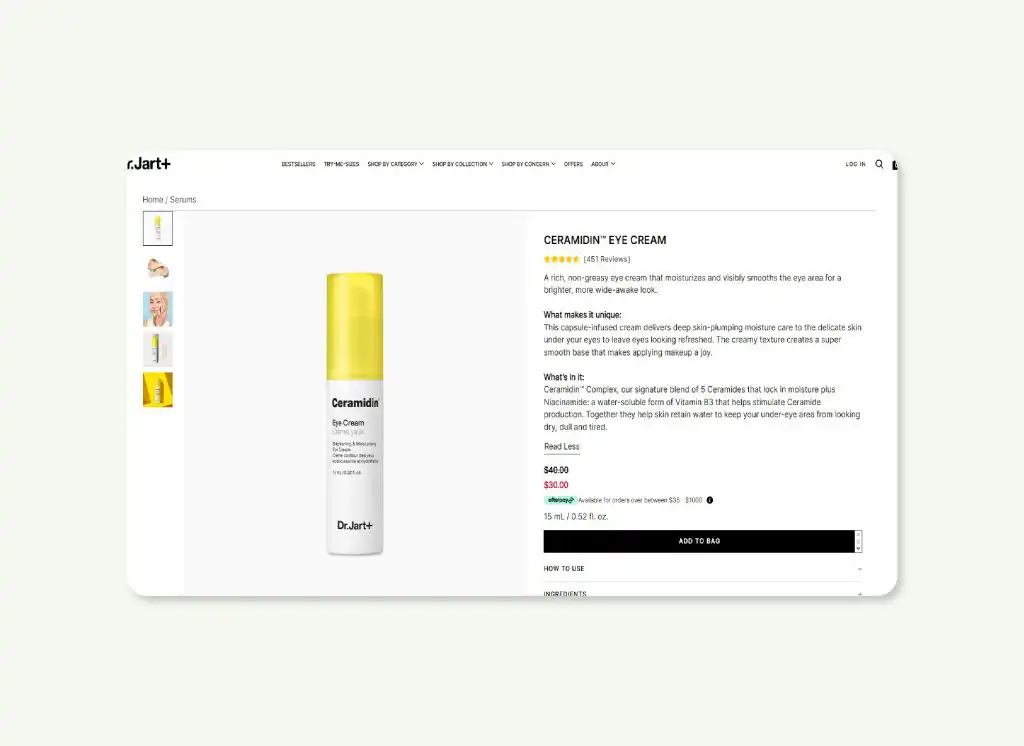
The description clearly states the result: hydration and brighter-looking dark circles.
Your descriptions do not need to be long, complex or poetic: simply tell the customer what to expect.
To make expectations even clearer, it is a good idea to include instructions on how to use the product in the description.
Skincare product ingredients
Being able to see a product’s full ingredient list is increasingly a priority for consumers. Skincare companies need to adapt to this growing demand for transparency.
We often see skincare companies provide a partial ingredient list and choose not to disclose the rest. But that may not be the best choice. Listing every ingredient is a good way to build trust with potential customers: you show you have nothing to hide and that you stand behind the formulas you have chosen.
Look, for example, at this face oil sold by Net-A-Porter. It lists every ingredient and uses parentheses to explain some confusing-sounding words. Note that there is no need for heavy promotion either. Simply listing the ingredients in a separate tab or section is enough to earn customers’ trust.
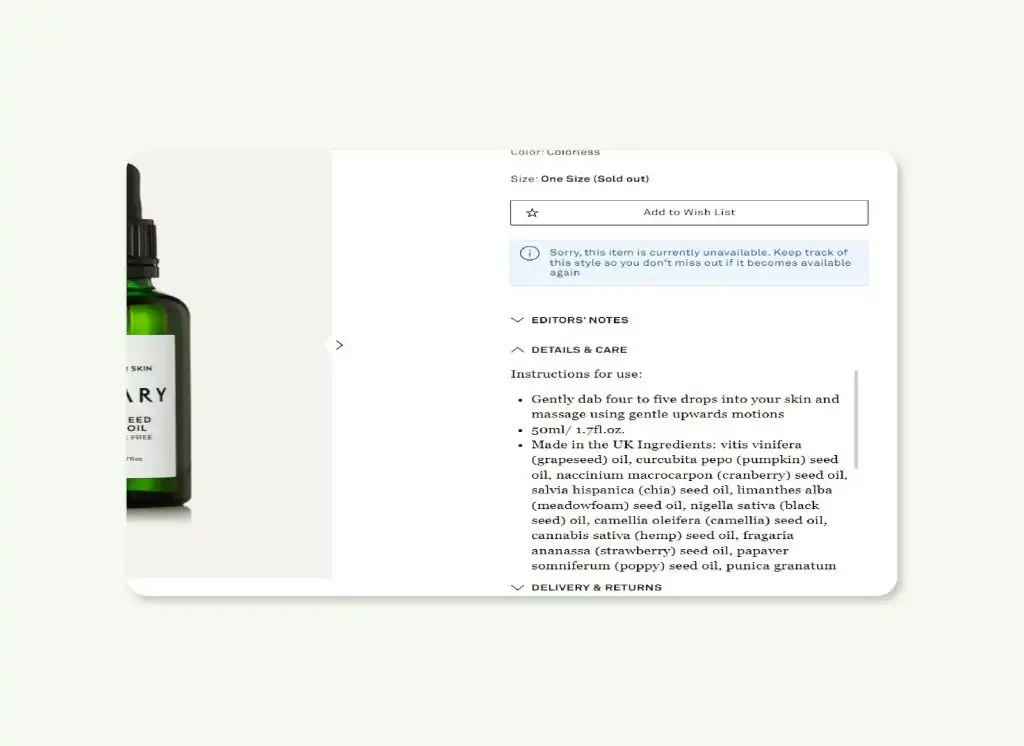
If part of your brand is about natural ingredients, this is a great way to let people know. But if that is not your style, that is fine too. Products with ingredients that are not 100% natural, such as preservatives, do not necessarily sell worse than their all-natural equivalents – they simply attract different customer segments. Again, transparency is what counts.
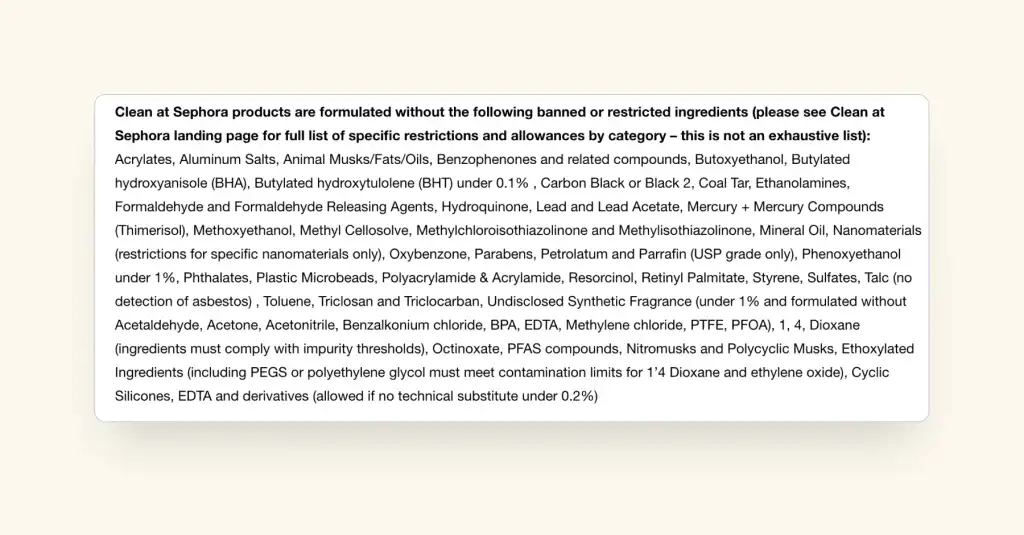
You can also highlight the ingredients you leave out. On the Sephora website, for example, product descriptions include a section called “Ingredient Callouts”. It shows whether or not a product contains controversial ingredients such as phthalates (used in plastics), parabens (a preservative) and sulfates (often found in hair care products). This information is useful to anyone looking for products that avoid these ingredients. The retailer also has a “Clean at Sephora” label for products free from a list of controversial ingredients.
You can also state whether your products are vegan or cruelty-free.
Provide proof and reviews for your skincare products
There is no better way to show your products work than by relying on the results customers get. If your products have been dermatologist-tested, say so on your product pages, or even add a badge or graphic to make it stand out further.
Another example comes from Estée Lauder. This product description includes specific copy highlighting the positive effects seen in women of all ethnicities.
Although the sample size is small – and note that the brand is transparent about it – customers are reassured.
An easy way to get this kind of feedback is to let customers leave reviews, which are proven to help convince shoppers to take action.
It is understandable to worry about negative reviews, but even less glowing reviews build trust, because they show you do not edit or hide criticism.
Sephora uses this to its advantage by letting anyone with an account leave a review.
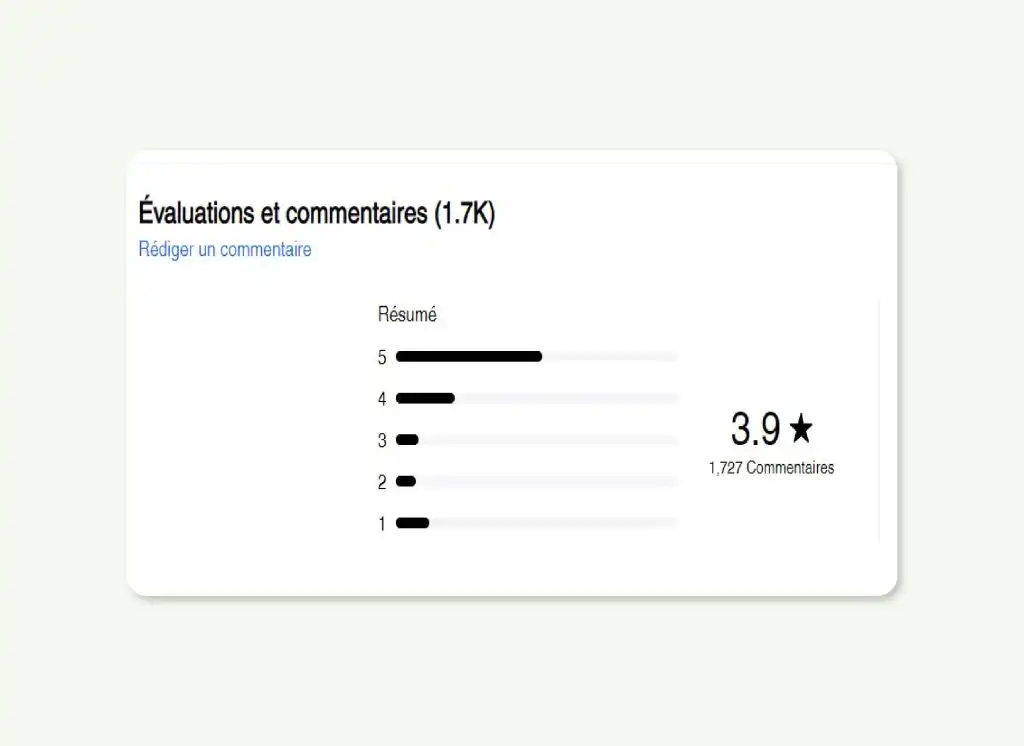
Customers not only rate products and write their impressions, they can also include pictures showing the product’s effect on their skin or hair. In addition, each user can specify their skin and hair type, so shoppers can be sure the review applies to them. You can also sort products by top rated. By combining all these elements, Sephora’s customers do the marketing by themselves.
3. Make the most of social media marketing
Social media marketing for your skincare brand can be a great way to drive sales, build brand awareness, find influencers to work with and build customer loyalty. What’s more, these tools are free to use, unless you move into paid advertising for your skincare products.
But setting up a social media strategy can feel daunting. Many platforms compete for people’s attention and it can be hard to know where to start. So the first step is not to get overwhelmed.
Here are some of the platforms you can try:
- TikTok
- X (formerly Twitter)
- Snapchat
There are more specialized sites, such as Tumblr and Reddit communities, but the sites above are the most popular and most visited, and they are the best places to start.
Each platform has its own content style, dedicated business accounts and built-in self-service advertising options. TikTok’s audience, for example, values authenticity and seeing familiar faces. You can be very precise and granular when choosing which Facebook custom audiences to target. While Snapchat and TikTok are entirely video-based, Facebook, Twitter and Instagram let you mix videos and still images.
With so many platforms at your fingertips, it is important not to overload yourself. By trying to use every platform at once, you risk burning out and producing weak content that will not generate the engagement you want. It is better to be very effective on just one or two platforms than to struggle to manage them all, especially if you have a lean team or work solo.
To start, identify one or two platforms where you want to be present and watch what your competitors do and how they use each platform differently.
For each platform, you need to decide:
- What do you hope to get from the platform (more sales or awareness, for example)?
- Who is your target audience?
- What is your goal (a certain number of followers or engagements within six months, for example)?
- What type of content will you create within your skill set?
Setting these intentions will keep you on track and help you decide later whether your strategy is working or needs improvement.
As for what to actually post, let’s look at some examples.
Show how your products work
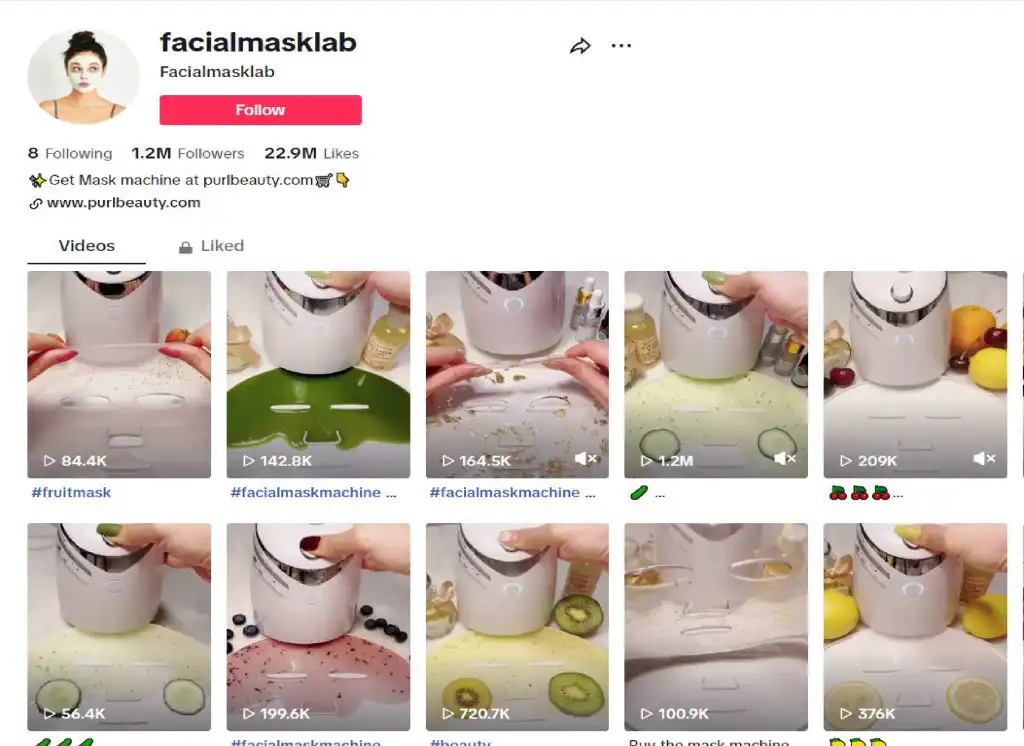
Purl Beauty has attracted 1.3 million followers on TikTok with its @Facialmasklab account. It uses the account to market its mask machine, which lets users make their own face masks at home. In its popular videos, it shows how to make masks from a wide variety of ingredients, like this one made with matcha green tea. The videos give ideas on how to use the device and are enjoyable to watch. They can show, for example, how to apply a cleanser, a makeup remover for a glam look, or how to use a facial roller.
Post on notable days using trending hashtags
Every day on social media there is some kind of occasion to mark. For National Coffee Day, Lush shared photos and a link to its Cup O’ Coffee mask on Twitter.
It is a fun way to work a trending hashtag into your marketing and gain traction. Do you have a donut-shaped soap? National Donut Day is in June. Do you use all-natural products? National Clean Beauty Day is in July. Check this website to discover other national days to plan around.
Share user-generated and influencer content
If customers find you on social media, you may get tagged by people posting about your products themselves. That can be very validating and exciting to see. When this happens on Instagram, for example, you can easily repost it to your Stories.
Otherwise, the best etiquette is to reach out and ask permission to repost, always crediting the customer if you re-upload their post. You can even encourage customer posts by offering discount codes to people who do so. Another way to spread this content is to work with influencers or send free products.
Create polls or callouts
If you are not sure what to post, sometimes all it takes is asking a question. Many platforms have built-in poll options, or you can simply ask people to reply in the comments. This drives engagement by encouraging people to interact with your posts.
4. Work with skincare influencers
Let’s start with a case study: CeraVe. Now owned by L’Oréal, CeraVe is a skincare line that addresses acne and has been around since 2005. Its branding tends to be clinical – a simple look that emphasizes the formulas were developed with dermatologists.
In 2020, CeraVe had a viral moment when TikTok creator Hyram Yarbro, better known as @hyram, praised the brand in a roundup of drugstore skincare options. Hyram Yarbro may not be a dermatologist, but he built a following of more than six million people who trust his skincare advice.
His recommendation gave the brand new momentum, generating coverage in Vogue, on BuzzFeed and CNN. L’Oréal then smartly signed Yarbro as a paid influencer, creating video content to promote the brand.
You may not have L’Oréal’s marketing budget or the luck of being picked by someone who already has millions of followers, but this shows the power influencers have to create buzz and even attract media attention.
Influencers are generally grouped by how many followers they have. Here is a general guide.
- Nano-influencers: 1,000 to 10,000 followers
- Micro-influencers: 10,000 to 100,000 followers
- Mid-tier influencers: 100,000-500,000 followers
- Macro-influencers: 500,000 to 1 million followers
- Mega-influencers: 1 million followers and more
Follower count correlates with how much an influencer can charge to accept a sponsorship. Big influencers may have the largest audience, but a deal with them can reach six figures and may have to go through an agent or manager. These deals are more complicated, but they have the greatest reach.
On the other hand, smaller influencers charge less and you can probably reach them simply by sending a direct message or an email. Data also shows that nano-influencers have higher engagement rates than big accounts – 18% per post versus 4% for mega-influencers, according to Grin.
Choosing which influencers to work with takes some effort. Try searching skincare-related hashtags on various social media platforms – TikTok, Instagram and Snapchat, for example – and identify the influential people in that space.
Once you have found people who interest you, contact them to ask about rates and decide who you want to work with. Remember that you are the one approaching them, so let them know why you think your brand is a good fit for them.
When you sign an influencer marketing deal, it is important to set expectations: are you paying for a single post? A multi-part story? A video series? Spelling out clearly what is expected and putting it in a contract will make things easier for everyone involved.
For skincare, you can ask the influencer to use the product in a video or to post regular updates on how well the product works.
You can also try your luck by simply sending free products to influencers. In the industry, influencers call these gifts PR, and when a major beauty or skincare line launches, there is hype around who will receive the coveted items.
But it can be a gamble. Many influencers with a decent following will not post positive content in exchange for free products. And even if they do post, without a paid arrangement or contract you cannot guarantee that what they post will be positive, or even that they will post anything at all.
5. Invest in content marketing
Creating content alongside your products can be a smart way to drive traffic and build trust by showcasing your knowledge. More than half of marketers include content marketing in their activity, and it is an effective way to generate engagement and SEO traffic and grow your brand. Some people have even turned a blog into a full business.
If you run a skincare business, you probably have a wealth of useful information your customers would love to know. Starting a blog is a natural way to share it.
With your SEO skills (see below), you can think about the questions your customers might ask and answer them in your own blog posts. Remember that people are looking for useful information, not just product advertising, so use your expertise to help them. Play to your strengths too. If your products focus on particular ingredients, you can write about exactly what those ingredients do and how they support healthy skin or hair. Maybe you have tips and tricks for setting up a skincare routine. Think about all the problems you are trying to solve with your products and how you can turn them into content your customers can use.
6. Pay attention to skincare SEO
An estimated third of your traffic can come from search engine optimization, so it is not something to neglect. The basic principle of SEO marketing is making sure potential customers searching for skincare products or information can easily find your site.
Search engine optimization is both an art and a skill some people devote their whole career to, but you do not need to be an SEO genius to get started.
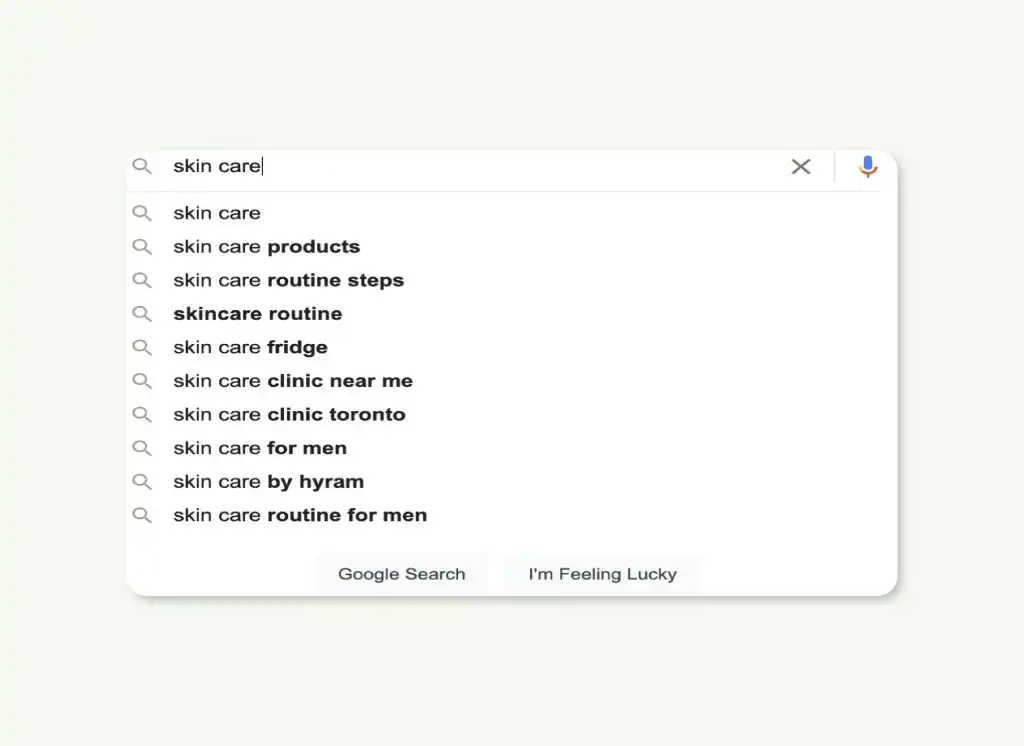
The first thing to do is identify the search terms you think will bring customers to your site. If you start typing “skincare” into the Google search bar, you can already see which search terms are the most popular.
You can also use more sophisticated tools, such as Moz Keyword Explorer or Ahrefs, to identify the search terms to optimize for.
7. Get started with SMS marketing
SMS stands for short message service, but we all know it better as texting. While many people’s inboxes are full of promotional emails, SMS marketing is a great way to cut through the noise and get your message straight to your customers’ phones.

You can use this marketing method to promote products, announce sales and discounts, and build customer loyalty. According to Gartner, SMS open rates reach 98%, compared with 25% for email.
The advantage of this method is that, because it is an “opt-in” style of marketing, people who sign up for text messages really want to hear from you. Your contact list may be smaller than your email list, but it contains your most loyal customers.
The downside is that SMS marketing can be expensive. SMS software can cost between $0.50 and $1.75 per message, but it can pay off. Bushbalm sees a return of $1.30 per SMS sent.
From ideas to action
You should now be well equipped to put your skincare marketing plan into action. You have learned how to make your product descriptions stand out and how to attract more visitors to your site. But don’t stop there! Keep researching what other skincare brands are doing and keep experimenting.
Skincare marketing FAQ
How can I advertise my skincare products?
There are many options for advertising your skincare products. You can market them on social media, with SEO targeting, with SMS, through influencers or with content marketing. You can try social media advertising, such as on Facebook or Instagram, or buy ads on Google.
Is a skincare business profitable?
It can be! There are many examples of successful skincare businesses, and a solid marketing plan can help you become one of them.
What is the target market for skincare products?
The target market for your skincare products varies depending on what you sell. Some brands target older people with anti-aging care, while others make products exclusively for men.
Where can I find skincare manufacturers?
There are several directories of skincare manufacturers you can find with a simple Google search. In the skincare world, however, it is important to vet manufacturers carefully. Look for reviews and testimonials, and ask for references and skincare product samples.
How do you price skincare products?
Add up your costs: what it costs to produce the product, plus associated overheads, plus your profit margin. Look at your competitors’ prices and make sure your products sit within a reasonable price range. You can test prices on your website to find the range that works best for profitability and sales volume.