





























Megan Cox woke up one morning to find she had made $10,000 in sales overnight. At the time, she was a student at MIT and had just launched a skincare line, Amalie Beauty – her first venture into entrepreneurship.
Over the following years, Megan grew her brand into a six-figure business. But as sales of her lash serums and face oils kept climbing, she was losing interest in running a direct-to-consumer skincare brand. She was at a crossroads: scale up or sell.
Megan decided to sell and turned her attention to another skincare business she had been building on the side. That business is Genie Supply, a clean beauty lab that makes products for hundreds of other founders who started like Megan, with an idea and a passion for skincare.
With experience in both direct-to-consumer sales and manufacturing, Megan has plenty of advice for anyone who wants to create a skincare line. Here she shares the hard lessons she learned along the way, with tips on everything from labeling to finding a skincare manufacturer.
Creating a skincare brand involves research into topics such as basic chemistry, production standards and ingredient sourcing. You may also need a significant upfront investment.
But as Megan found, you can start on a lean budget if you’re passionate and resourceful. Here’s how to create a skincare line from scratch, drawing on the lessons Megan learned throughout her career in beauty.
1. Get Started (Even If You Don't Feel Ready)
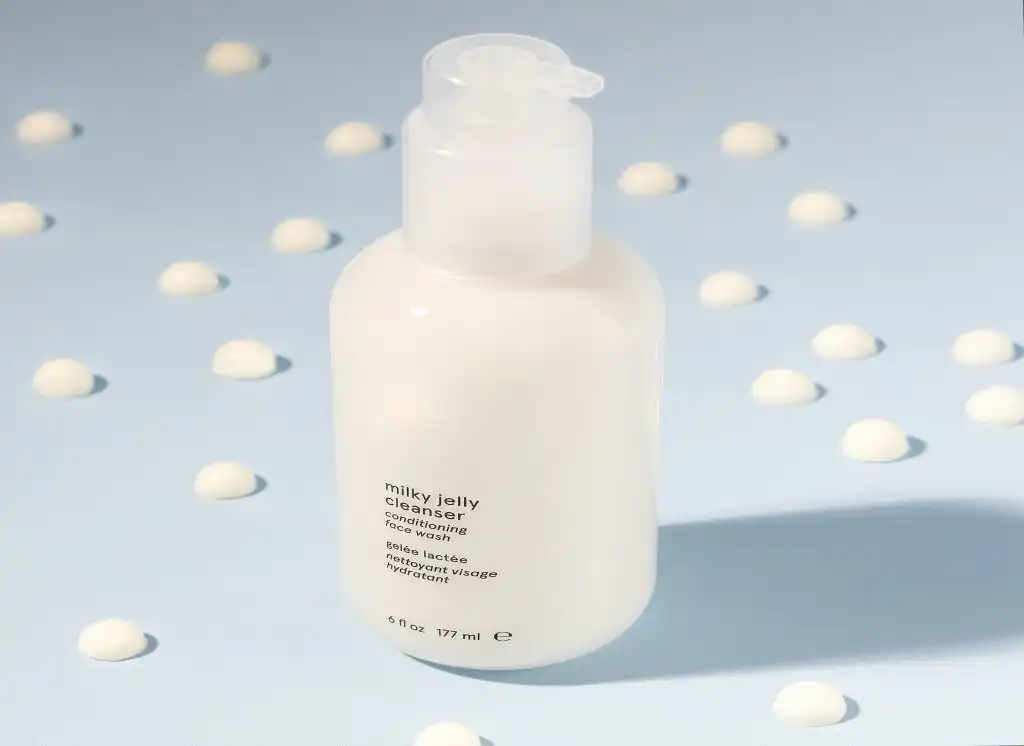
The global skincare industry is expected to be worth $204.61 billion by 2030. Much of the growth in recent years can be attributed to indie brands. “The legacy brands – Estée Lauder, L’Oréal – aren’t growing,” says Megan. “Indie beauty and clean beauty are driving growth across the entire beauty industry. Legacy brands are responding by buying up smaller companies to hold their position.”
Tarte, a natural beauty line started in 1999 in founder Maureen Kelly’s one-bedroom apartment, joined Sephora’s lineup in 2003, brought in $12 million in 2008 and sold a majority stake in 2014 to global beauty giant Kosé. Maureen started her business with $18,000.
If you’re figuring out how to create a skincare line, remember to factor in development time. Developing a skincare product is never instant, and most skincare lines need considerable time for research and development, testing and getting to market. Skincare products also require thorough testing, which takes time.
Because skincare trends move fast, it’s better to act on a good idea now than to wait until everything is perfect.
2. Do Your Research
Market research is especially important in beauty: the sector is saturated and trends change quickly. But the constantly shifting landscape also means there are still opportunities for newcomers to launch skincare lines. Stay on top of trends by following beauty publications and influencers, and use a tool like Google Trends to validate your ideas.
“With Gen Z coming of age, the way people spend their money is changing dramatically,” says Megan. “There’s a lot of room for innovation.”
Competitor Analysis
Her formal science background helped her formulate products, but she found the most useful information online. “I had some chemistry knowledge, but really, all the research is out there,” she says. “There are a lot of smart people on the internet sharing information for free.”
Your research should include competitor analysis, market research and keyword research to assess whether your idea is viable. This is also the stage to run the numbers: How much will it cost to start the business, and how will you fund it?
3. Find Your Skincare Niche
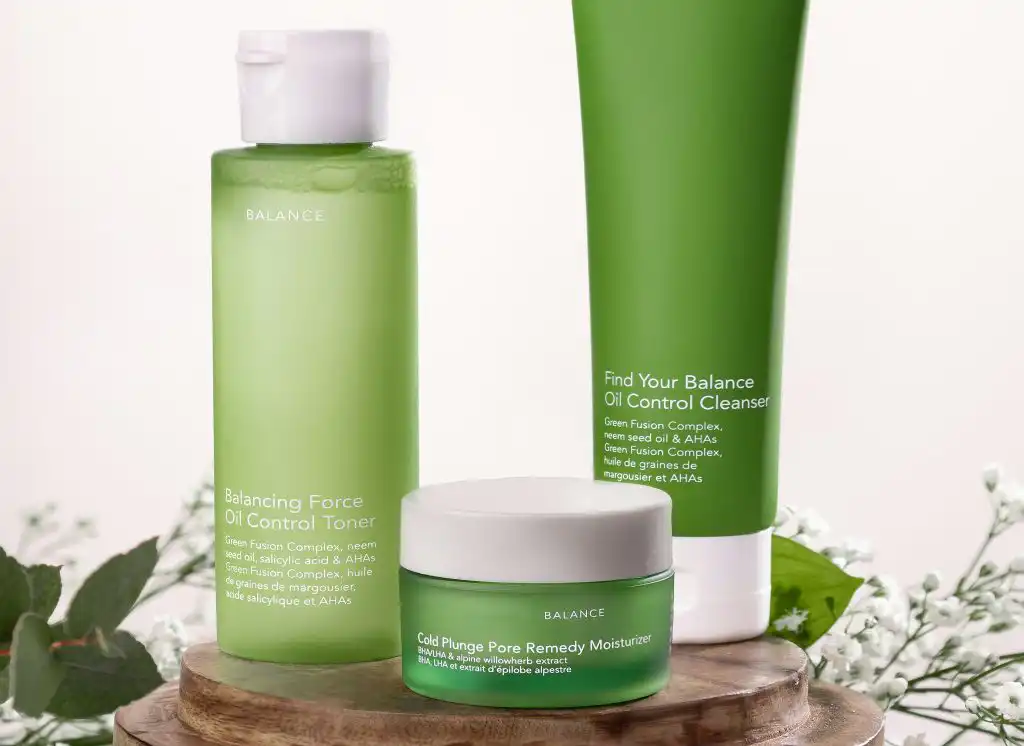
New skincare founders can win by identifying audiences underserved by the brands currently on the market. There’s no clearer example than the cosmetics industry, where indie brands have led the way with inclusive cosmetics for a wide range of skin tones.
It’s important to spot trends early, but beware of fads and make sure you have a sustainable plan. “Lately, I’ve seen people get too hooked on whatever ingredient is hottest at the moment,” says Megan.
While product development cycles have sped up in recent years, they can’t always keep pace with fads. “You’re already months behind,” Megan tells these clients. “By the time you get to market, the trend may be over.”
Indie skincare brands avoid these pitfalls through innovation, not hype. While legacy brands cast a wide net, indie brands can get close to a niche market or tackle a specific problem – and problems change less often than trends.
Whether you want to go broad or stick to the basics in terms of formulation or product type, you can rely on a strong brand philosophy and story to connect with your audience. “If you want to formulate your products a certain way, or exclude or include certain ingredients, you really need to think it through,” says Megan.
Vegan Skincare Products
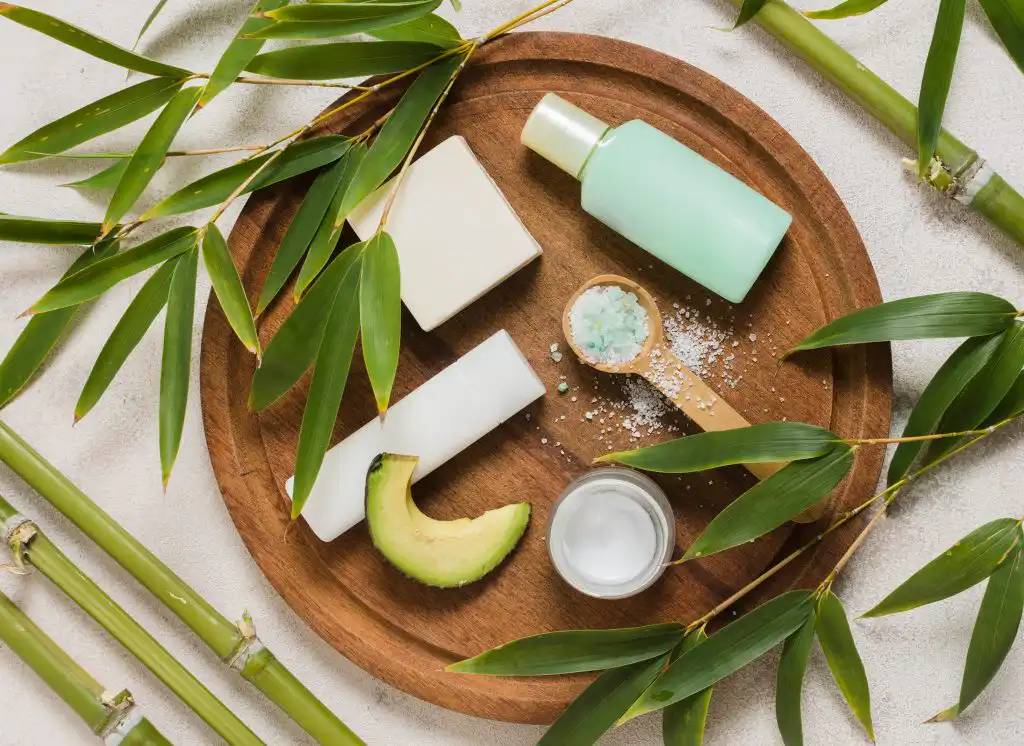
Appealing to a specific diet or lifestyle choice is a popular way to find a niche in the food industry. The same goes for skincare. Cruelty-free and vegan beauty and skincare products are gradually becoming the norm rather than the exception. By making sure your products meet this standard from the start, you won’t have to adapt later when the market demands it.
Natural Skincare Products
The clean beauty trend shows no sign of slowing down. The wellness movement has spread to skincare, with many consumers paying attention to what they put on their bodies – not just in them. If you plan to launch a skincare line in this niche, watch your inventory and supply chain closely: products without synthetic preservatives spoil faster.
Other Skincare Trends and Niches
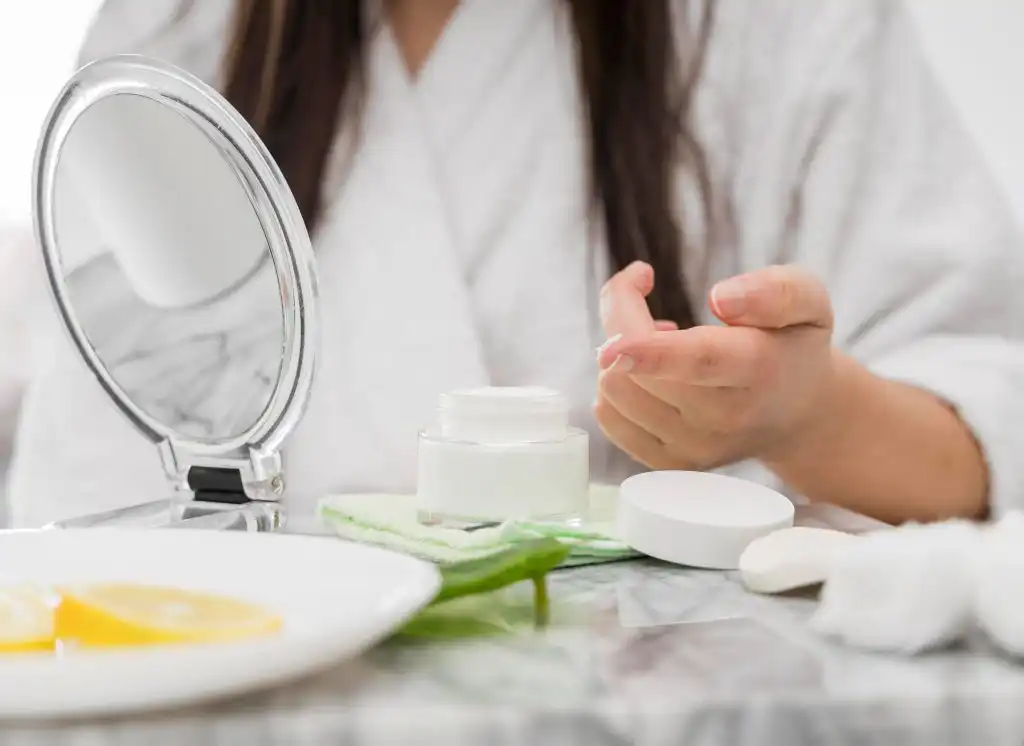
Find a niche for your skincare business by studying current and emerging trends, as well as underserved markets. Here are some ideas:
- Skincare for specific skin conditions (e.g. oily skin, eczema, dry skin or rosacea)
- Adaptive skincare (e.g. ingredients that respond to the skin’s needs)
- Multi-use products (e.g. face and body balms)
- Skincare-infused makeup (e.g. cream blush with moisturizing properties)
- New product formats (e.g. hydrocolloid patches, skin-focused vitamins, spa-grade tools for home use)
- Skincare for a specific audience (e.g. cancer survivors)
- Professional ranges for hospitality, such as amenities and spa cabin products (see our cosmetics lab for Marrakech riads, spas and hotels)
- Advanced ingredients (retinol, probiotics, hyaluronic acid, etc.)
- Simple formulations that exclude common allergens or come at lower prices (e.g. organic ingredients, natural ingredients, clean cosmetics).
4. Invest in Your Skincare Brand
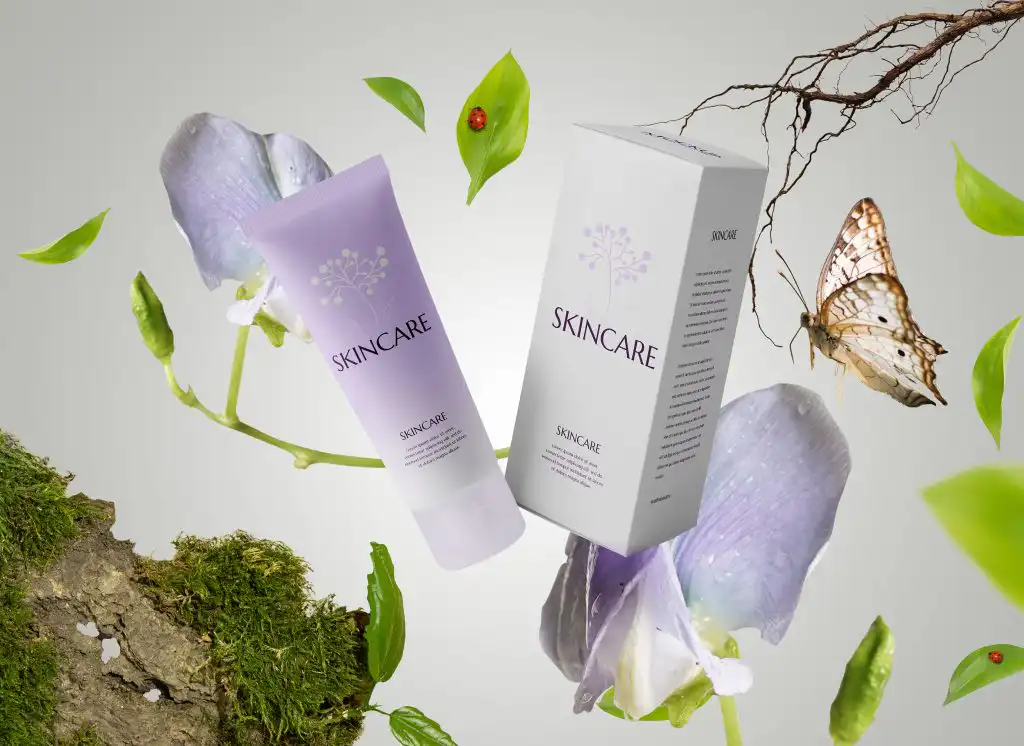
Before you even think about product development, decide what you stand for. You can build your skincare brand and grow your audience long before you manufacture products or open an online store. This period lets you get to know your audience, gather feedback and build trust. Use it to refine your brand story and create buzz around your upcoming launch.
Megan assumed her customers would be like her: young people whose natural lashes had been damaged by lash extensions or by trichotillomania (a disorder that involves pulling out one’s own hair).
Surprisingly, her product attracted a different audience.
“We found it was really popular with older women and with people who had just gone through cancer treatment,” says Megan. “I didn’t expect that at all.” She embraced this unexpected market and actively supported cancer survivors, donating a product to a cancer survivor for every bottle sold during the campaign.
This shift in branding and marketing was possible because of Amalie’s size, but it’s essential to put a few key elements in place from the start. Keeping a consistent brand voice and presence increases market recognition and builds trust.
Visual brand identity is also extremely important in the skincare industry. Compelling packaging that matches your target audience’s aesthetic gives your brand a professional edge. Develop a clear set of brand guidelines so your brand follows the same rules everywhere it appears.
5. Use the Resources You Have

“I had no money and no experience,” Megan says of her decision to start a business. Her initial investment was exactly $1,812 (a tenth of Tarte’s startup costs) – it was all she had.
Megan set up her company for $700, bought 500 bottles and a few thousand boxes, and paid for her first month on Shopify. She had $6 left.
With no money left for marketing, Megan had to get creative. She posted on an online forum for cancer survivors, which brought in a few sales. But a simple call to her hometown newspaper was the catalyst for her breakthrough. The paper interviewed her, which led to a few more sales, but the turning point came when the story was picked up by the national press and the Associated Press. “I went to sleep, and when I woke up, we’d made $10,000 in sales and sold out,” she recalls.
When you create your own skincare line, find creative ways to make your budget go further, whether that’s starting your business from home, trying organic marketing ideas or financing your growth.
6. Learn About Skincare Formulation and Manufacturing
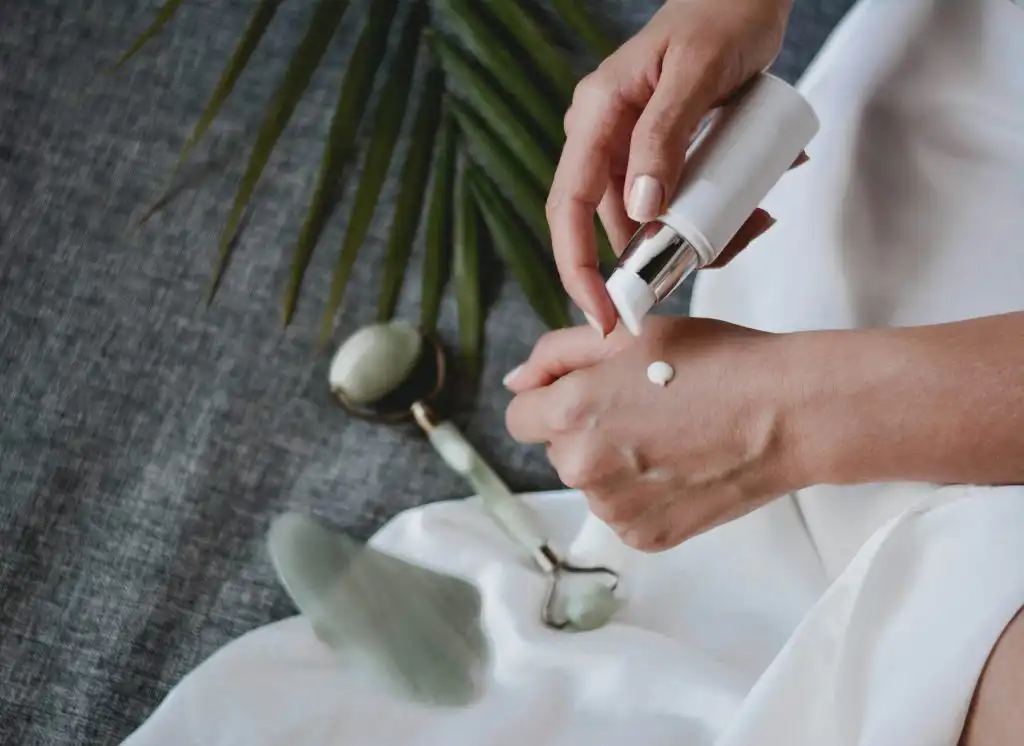
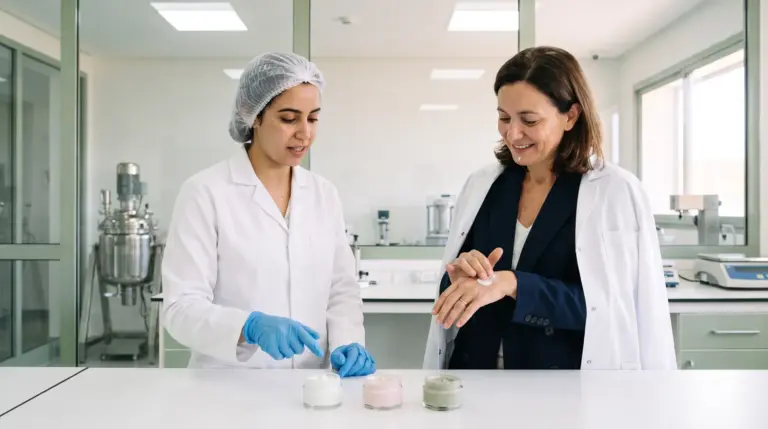
There are several ways to formulate products: make them by hand at home, rent a dedicated manufacturing space, work with a lab to create custom products, or take a private label or white label approach with a beauty manufacturer.
Creating a skincare line at home
Simple formulations, such as face oils, can be made at home. However, to manufacture cosmetics in Morocco, you’ll need to follow DNP guidelines on ventilation, air control and surfaces. While your manufacturing processes must meet DNP standards, there is some flexibility for businesses that produce intermittently. Mobile clean rooms – essentially pop-up tents – are designed for this purpose and suit businesses at this early stage.
“When you’re just starting out, it’s worth working hands-on with the ingredients and trying to understand what’s going on,” says Megan. “But at some point, you’ll always need to work with a manufacturer.” Many successful beauty founders, such as Melissa Butler of The Lip Bar, started their lines in their own kitchens but moved to a manufacturing facility as they grew.
Experimenting with formulations yourself will help you understand the properties you want in a formula (texture, appearance, scent), so you can have informed conversations with your manufacturer.
7. Build a Relationship with Your Skincare Manufacturer

While working with manufacturers in China has its advantages, such as price and the range of options, Megan and her partner moved Genie Supply to the United States to bring manufacturing closer to its clients and improve the overall experience.
“Beauty manufacturing in general is a bit of a black box,” says Megan, who had to learn the ropes on her own. That’s why her new company invests in educating its clients and shares transparent information on its website. If you’re new to skincare, find a manufacturer like Genie Supply that can guide you through the process.
White label vs private label skincare lines
White label means applying your own brand and limited customizations to an existing product. It’s a good route for people looking to monetize a personal brand (but with less interest in product development). Popular creators and influencers often use this method to monetize their large audiences.
Private label skincare lines work in a similar way but are more customized to brand and product specifications. They are usually developed in partnership with a private label lab like Genie Supply. With these models, you can launch your own skincare line even with no experience.
8. Put Your Skincare Formulas Through Rigorous Testing
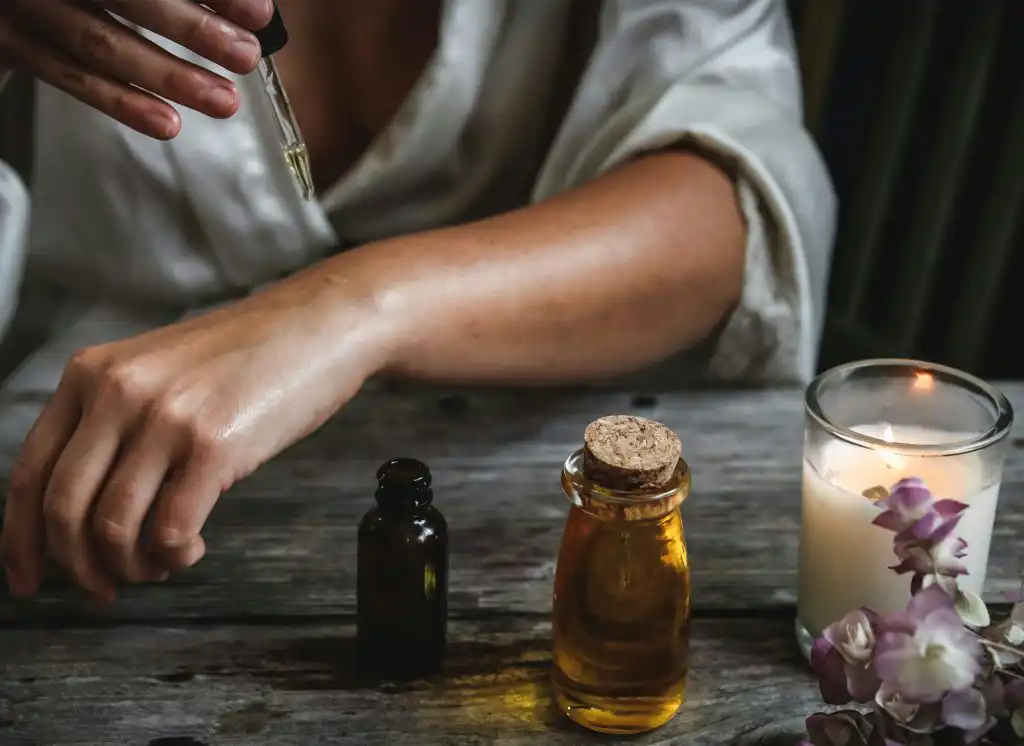
Megan learned the hard way that testing matters at every stage of the process. Amalie’s formulas and packaging were each tested, but the interaction between the two was a disaster. The product turned out to be incompatible with the glue, and the brushes fell apart. “Packaging was a big problem for me,” says Megan. “I lost a lot of customers because it wasn’t reliable.”
Experienced labs are an asset for newcomers to the industry. Manufacturing in North America can cost more, but the advantage is access to the facilities and the chance to take part in the testing process.
9. Understand Skincare Safety and Labeling Laws
Just like starting a food business, launching a skincare business carries risks: you are making products that could potentially harm people’s health. It’s important to learn about preservatives, shelf life, allergens, and the proper storage and handling of skincare products. It’s also important to research labs thoroughly so you know you’re working with a partner that is competent in these areas.
Product shelf life
Customers often expect products labeled “natural” or “organic” to be free of chemical preservatives. But leaving out preservatives can have a major impact on stability. When Megan launched Amalie, her products had a 12-month shelf life.
When her retailers couldn’t sell the products fast enough, Megan had to replace expired units or risk damaging her beauty brand. “It cost me a lot, but I won’t let a bad product carry my name,” she says.
Labeling laws
Legal requirements can be daunting for anyone starting a skincare line from scratch, and every country or region has its own rules. Megan, who had to work it out on her own, created a visual guide on the Genie Supply website to help her clients. “Five years ago, I would have killed for a guide like this,” she says. “That’s why I made it.”
A reputable lab can help make sure your packaging meets standards and your products are labeled correctly, but ultimately the responsibility is yours. “Nobody checks for you,” says Megan. “You have to do your due diligence and make sure you’re following FDA labeling laws. You can also talk to a lawyer.”
Skincare product stability and safety
While it’s possible to start a skincare business from home, there are limits. “If your products contain water,” says Megan, “you risk putting your customers in danger.”
Genie Supply and other reputable labs put ingredients and formulas through rigorous testing to make sure they stay free of yeast, mold, bacteria and fungi throughout a product’s shelf life and use. “We also test for microbial and viral pathogens,” Megan adds. “If you’re doing anything with water, don’t hesitate to use a lab.”
Business licenses for skincare brands
In the United States, you don’t need a federally recognized license to sell homemade cosmetics and skincare. However, the FDA regulates the sector closely and requires certain ingredients to be approved. Laws differ depending on the country where you manufacture and sell your products. Do your research carefully or ask a lawyer for advice.
10. Build Trust with Customers Through Transparency and Content
Faced with conflicting information and endless choice, beauty shoppers tend to be discerning and naturally skeptical. Building trust with your audience is essential to forming long-term relationships and earning repeat customers.
Under the US Fair Packaging and Labeling Act, the FDA requires manufacturers to list all the ingredients in their products. According to Megan, it’s a requirement many skincare brands try to game.
“Why are you putting honey, metals and all this junk in your product? It doesn’t even work,” says Megan. “They’re simply trying to confuse consumers.” She built trust in her first brand on ingredient transparency and takes the same approach with her B2B clients.
Content marketing and customer education
Content marketing isn’t just a strategy that helps potential customers find you (more on that later); it also establishes your brand’s authority. Megan used this tactic to grow her business and her personal brand, riding the popularity of beauty product reviews and “unboxings” at the time.
This strategy made Megan a trusted expert, and she devoted much of her blog to reviewing products other than her own. At her peak, she blogged four times a week, which sent her organic traffic soaring. She also used content to grow her newsletter, offering downloadable beauty guides.
Other brands succeed with this approach too, creating blog posts that bring value to their audience and information-rich product pages that build shopper confidence.
Ratings and Customer Reviews
Positive reviews are another signal to potential customers that your product delivers on its promises. The number of options on the market, unpronounceable ingredients and misleading ads push skincare shoppers to check online reviews before they buy.
11. Lean Into What Makes You Unique
Marketing is one of the biggest challenges for many founders. And because it’s competitive and constantly changing, the skincare sector demands constant attention to this side of the business.
A great product isn’t enough to succeed in skincare: beauty entrepreneurs need to devote much of their attention to defining their audience and understanding its unique needs.
As the traditional model for selling cosmetics runs out of steam – “slap a celebrity on the brand and hope it sells,” as Megan puts it – it’s time for niche brands to shine. Consumers want to connect and identify with a brand. A great product isn’t enough – to succeed at marketing, beauty entrepreneurs need to devote much of their attention to defining their audience and understanding its unique needs.

Whether or not you tie your personal brand to your business, always use brand storytelling to make your brand human. Join comments and conversations, feature real people such as your customers or relevant influencers in your content, and stay open to feedback.
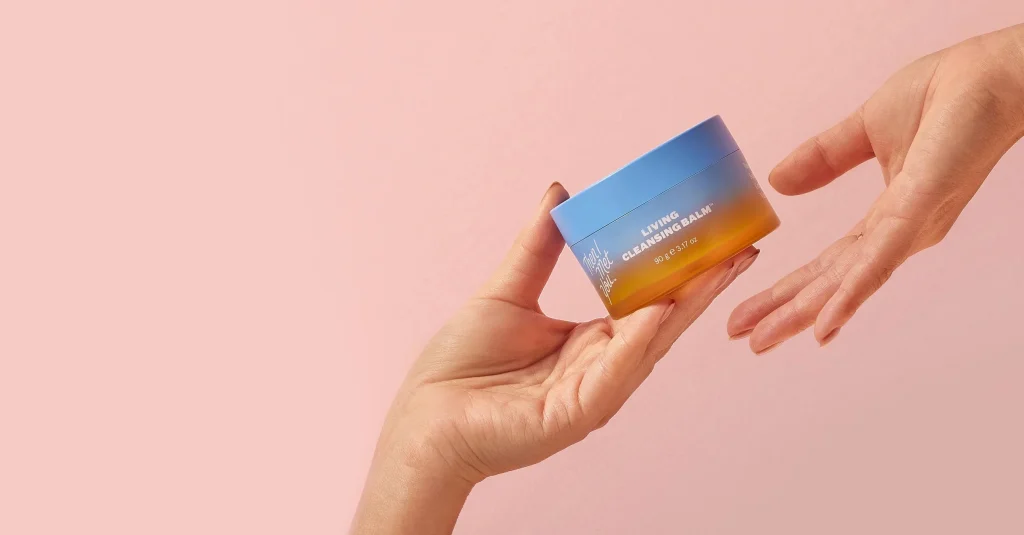
Charlotte Cho, founder of Then I Met You, weaves her family’s story and elements of her Korean heritage into her product formulas and her brand. She even published a book to share the philosophy behind the brand. Charlotte’s customers don’t just buy her products for their skin benefits, but for her story too.
Uniqueness can come from product differentiation, brand story, brand design or marketing.
How to Create a Skincare Line: FAQ
How do I make skincare products to sell?
If you’re just starting out, you can experiment with basic skincare formulas yourself to get a feel for color, texture and scent. Some skincare products can be made at home, but more complex formulas containing water or emulsions require a manufacturing partner for safety reasons.
How much does it cost to start a skincare line?
The cost of starting a skincare line varies with the production method you use. Even if you plan to run a skincare business from home, you’ll need some investment for materials, packaging and other business expenses. Plan a larger budget if you want to work with a manufacturer, since many require minimum order quantities, and product development can be costly.
How do I start a private label skincare line?
Private label and white label are excellent ways to enter the skincare sector if you’re new to it. With white label, manufacturers sell identical products to several brands, which customize them with their own logo and branding. Private label involves a bit more customization and lets you work with a manufacturer to create a branded product within the limits of its offer. With these beginner-friendly methods, you don’t need to know much about creating a skincare line before you start.
Where can I find skincare manufacturers?
There are several directories of skincare manufacturers you can find with a simple Google search. In skincare, though, it’s important to vet manufacturers carefully. Look for reviews and testimonials, and ask for references and skincare product samples.
How do I price skincare products?
Add up your costs: what it costs to produce the product, plus associated overheads, plus your profit margin. Look at your competitors’ prices and make sure your products sit within a reasonable price range. You can test prices on your website to find the range that works best for profitability and sales volume.