



For skin and face
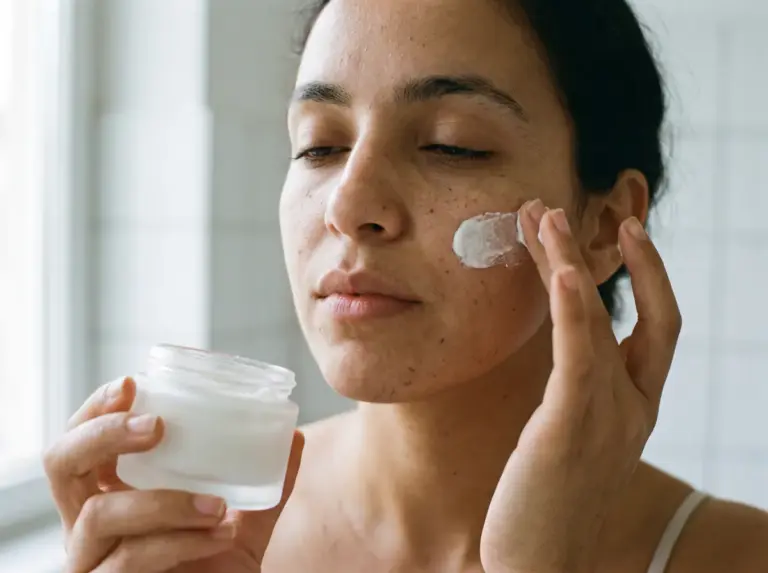
Its linoleic acid, an omega-6 the skin uses for its protective barrier, nourishes dry skin and helps keep it supple. It absorbs quickly and leaves a light, non-greasy feel.
Services
Catalog
An active in mind?Ingredients glossaryIndustries
Laboratory
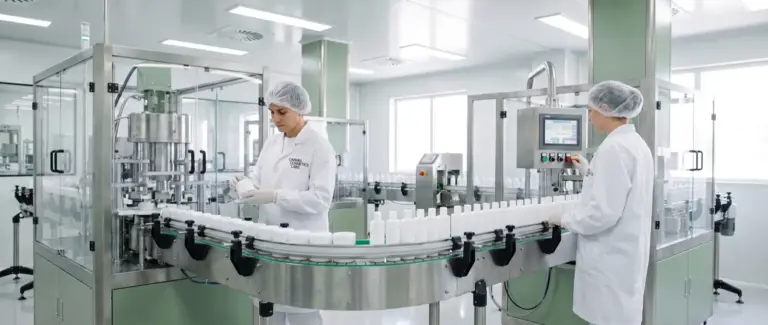 Our factory in Aït MelloulGreater Agadir, Morocco
Resources
 Study: dermocosmetics in MoroccoA MAD 2.77 billion market
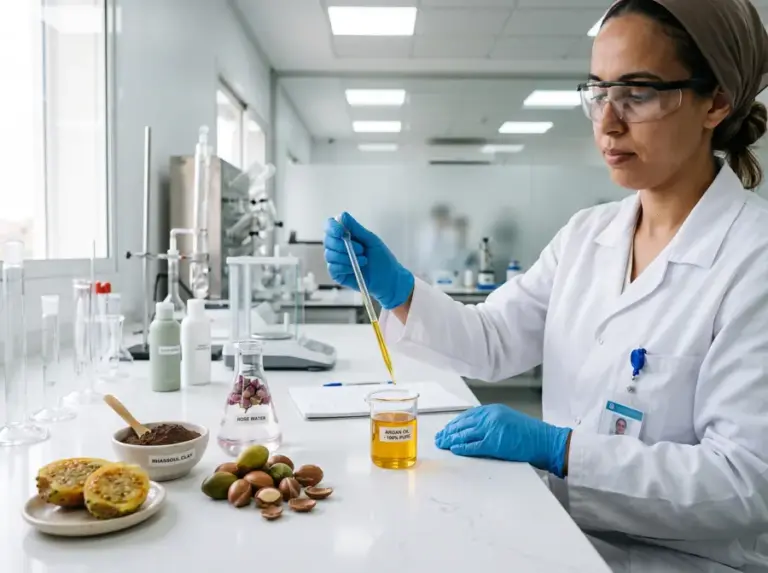
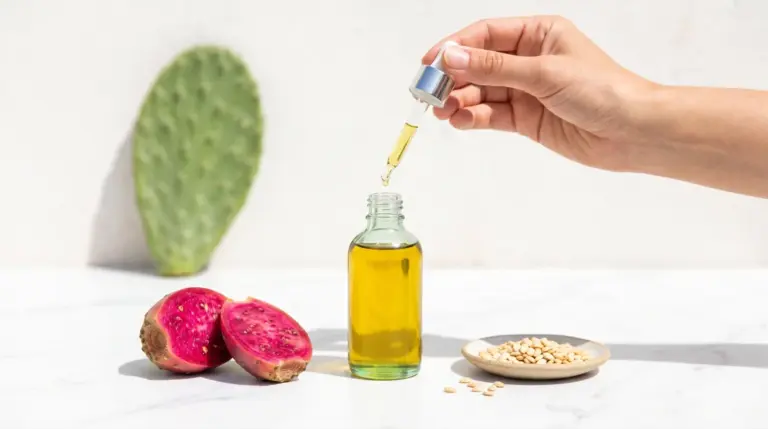
The prickly pear a cactus of the Aït Baâmrane hills.
Its fruit juicy flesh dotted with seeds.
The seeds tiny, hard, cold-pressed.
The oil a few drops, rare and precious.
By the Carmel Cosmetics Labs R&D team · updated October 2, 2026
Prickly pear seed oil, also called barbary fig seed oil, is a plant oil cold-pressed from the seeds of the fruit of Opuntia ficus-indica, the prickly pear cactus. Rich in linoleic acid (omega-6) and tocopherols, mainly gamma-tocopherol, it is used in cosmetics in face and eye-area care to nourish the skin and help keep it supple.
Values for a cold-pressed Moroccan oil (scientific literature, cited by the FAO). Depending on origin, linoleic acid ranges from about 58 to 73%; each batch's certificate of analysis is the reference.
Fruit seeds, cold-pressed. A pure oil, golden yellow with green glints, a single INCI ingredient. This is the one in our formulas.
Flowers or fruit infused in another, often cheaper oil. The INCI list then starts with that carrier oil: it is not seed oil.
Richer in oleic acid (about 45%), with a more nourishing feel. Prickly pear seed oil, at about 61% omega-6, is lighter: the two are often combined.
Its linoleic acid, an omega-6 the skin uses for its protective barrier, nourishes dry skin and helps keep it supple. It absorbs quickly and leaves a light, non-greasy feel.
Neat as a face oil or blended into a night cream, it makes skin look suppler and feel more comfortable. It is one of the most sought-after oils in premium skincare and eye-area care.
Naturally rich in tocopherols, mainly gamma-tocopherol, antioxidants that help protect its unsaturated fatty acids against oxidation.
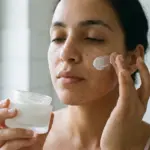
Two to three drops in the evening on clean skin, alone or mixed with your cream.
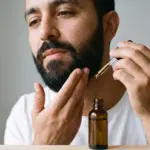
One drop spread with the ring finger, patting gently, without rubbing.
On dry areas, or in a lip balm combined with shea butter.
Pure oil, rich cream, overnight mask or hair oil blended with argan: choose a category to see the formulas ready to carry your brand.
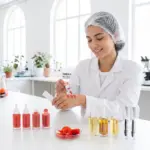
What our formulators take into account when prickly pear seed oil goes into your product.
Rich in omega-6, it needs an antioxidant and an opaque or airless bottle, even though its tocopherols partly protect it.
We use cold-pressed seed oil and list it clearly in the INCI list: OPUNTIA FICUS-INDICA SEED OIL.
Neat as a face oil, or blended with argan in an oil or a cream: the dosage is decided with you based on the range's positioning.
Its Moroccan origin can be highlighted on the packaging, provided it is documented in the product file.
This is the date the FAO gives for the introduction of the prickly pear to Morocco. Native to Mexico, it is now everywhere in the landscape.
The Guelmim-Sidi Ifni region accounts for more than half of Morocco's cactus area, according to the FAO.
The "Figue de Barbarie d'Aït Baâmrane" (Aït Baâmrane prickly pear) is recognized as a geographical indication by order of the Minister of Agriculture.
Rich in linoleic acid (omega-6) and tocopherols, it nourishes dry skin, helps keep it supple and leaves a light feel. It is found mainly in face oils, night creams and eye-area care.
In the evening, two to three drops on clean skin, neat or mixed with your cream. On the eye area, a single drop is enough, patted on gently. Do a patch test on a small area before first use.
Because of its yield. The seeds make up only about 15% of the edible part of the fruit, and cold pressing extracts only 6 to 7% of their weight in oil, according to the FAO. It takes a very large quantity of fruit to obtain one liter of pure oil.
Yes, when it is a pure oil: prickly pear oil is always extracted from the seeds. Watch out, however, for macerates, flowers or fruit infused in another oil, sold under a similar name.
It is the INCI name of prickly pear seed oil, listed in the EU CosIng database as an emollient. A pure oil contains only this ingredient in its INCI list.
Argan, richer in oleic acid, is more nourishing; prickly pear, at about 61% linoleic acid, is lighter and more precious. They often complement each other in the same face or hair oil.
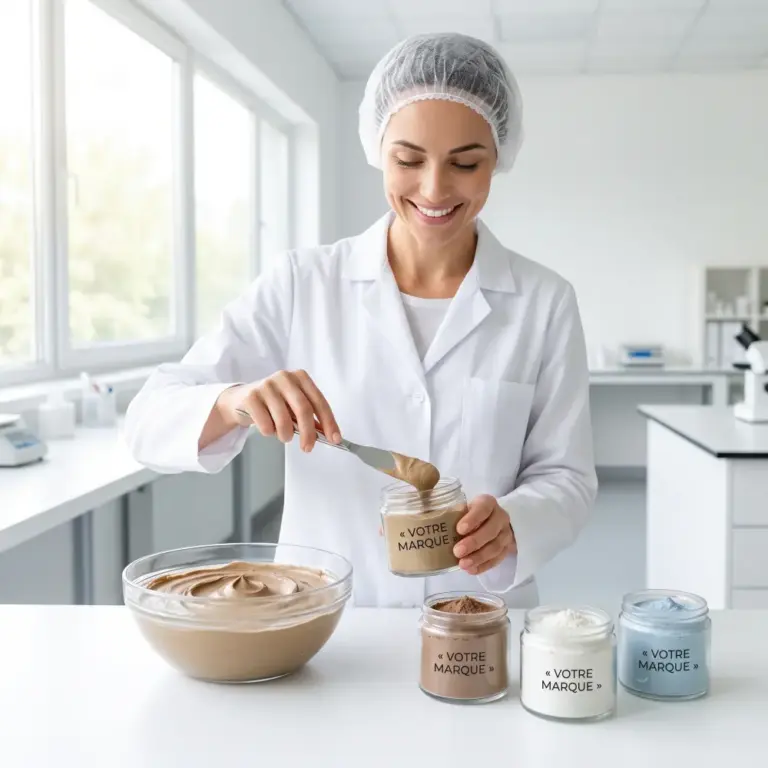
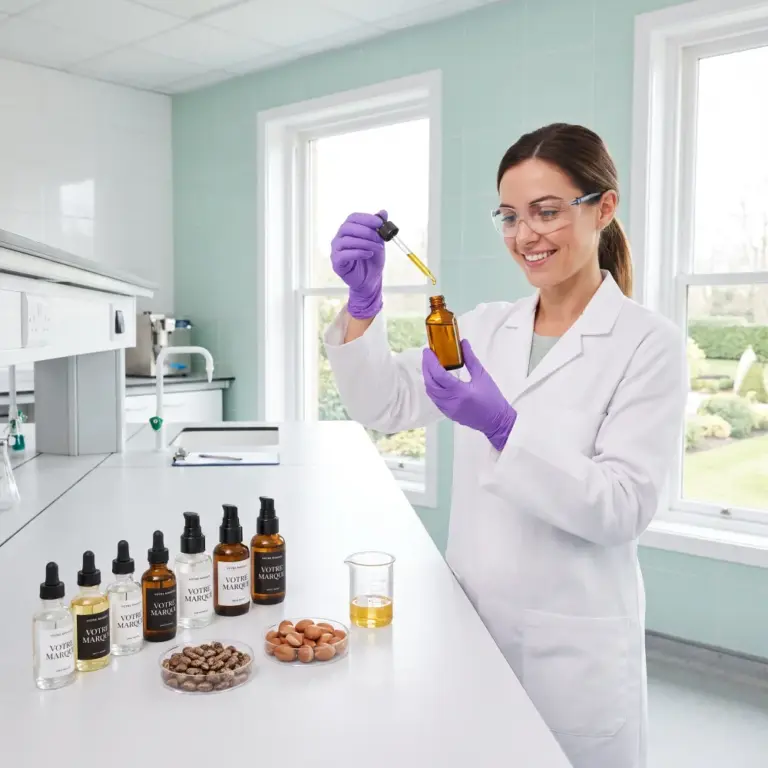
Yes. We use it in our white label formulas (pure oils, creams, masks, lip balms, hair oils) or in an exclusive private label formula, all manufactured in our factory in Aït Melloul, Morocco.
Send your brief: we formulate and manufacture in our ISO 22716 factory in Aït Melloul, southern Morocco. Free consultation and a selection of formulas, with no commitment.