



























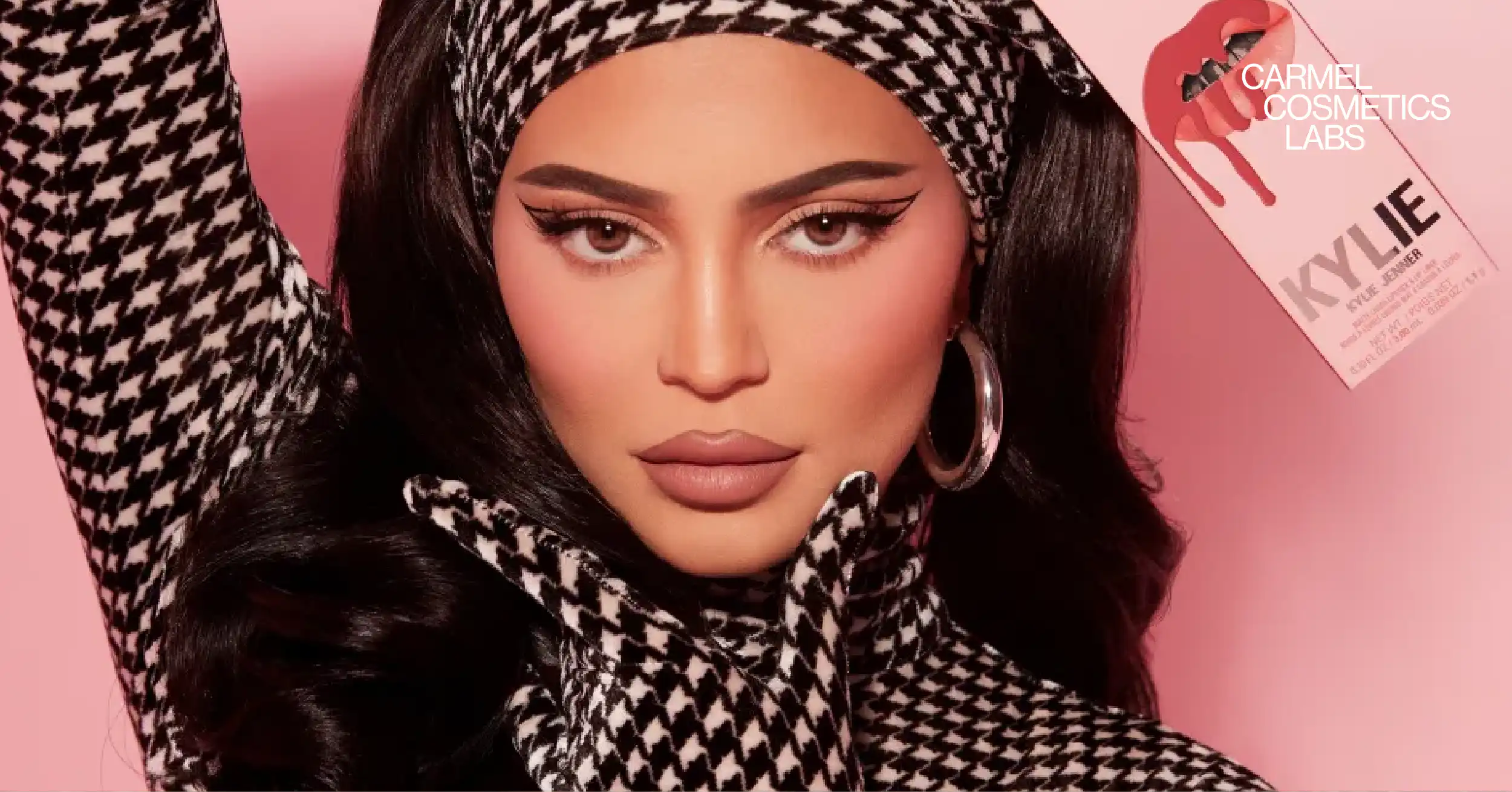
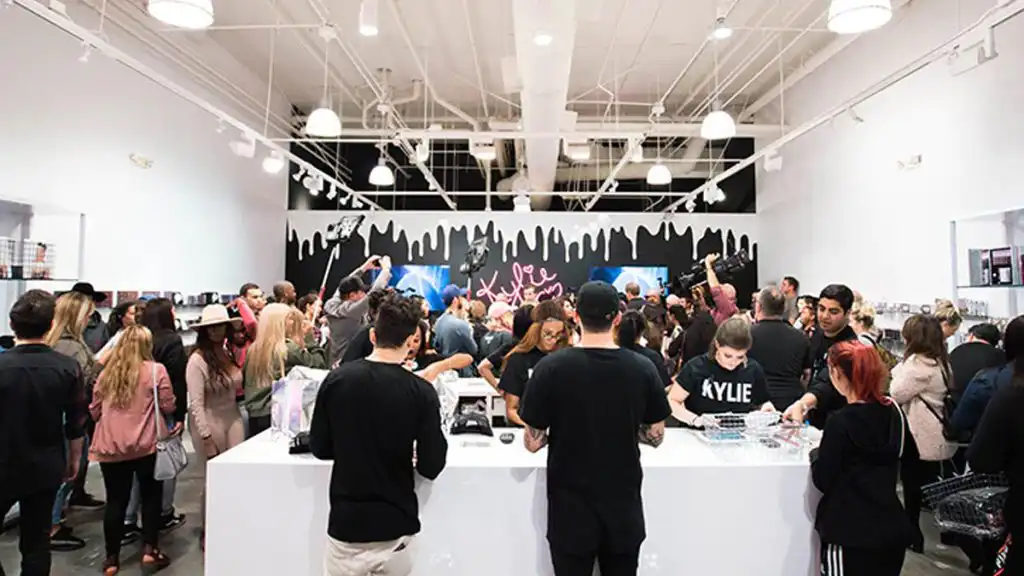
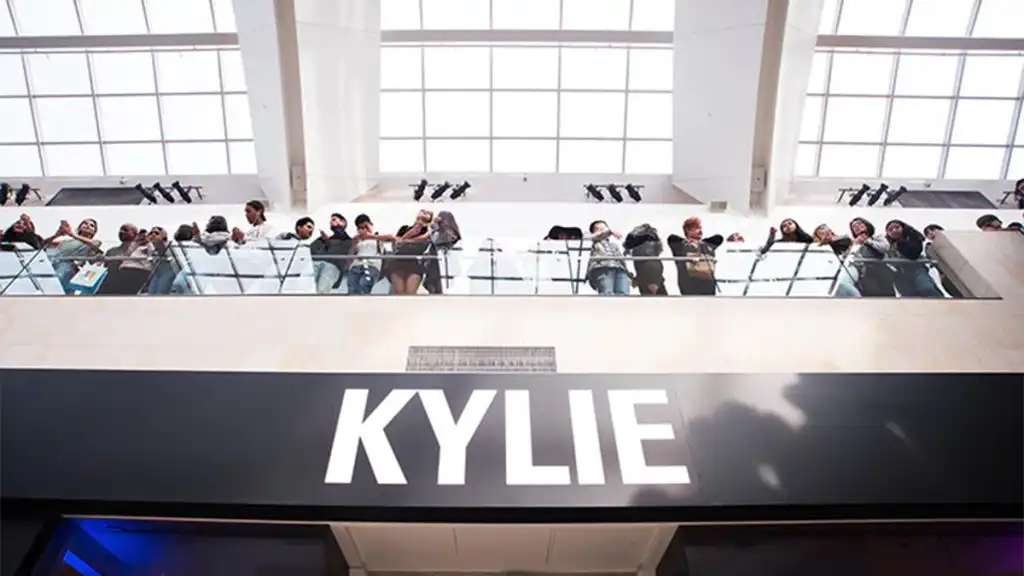
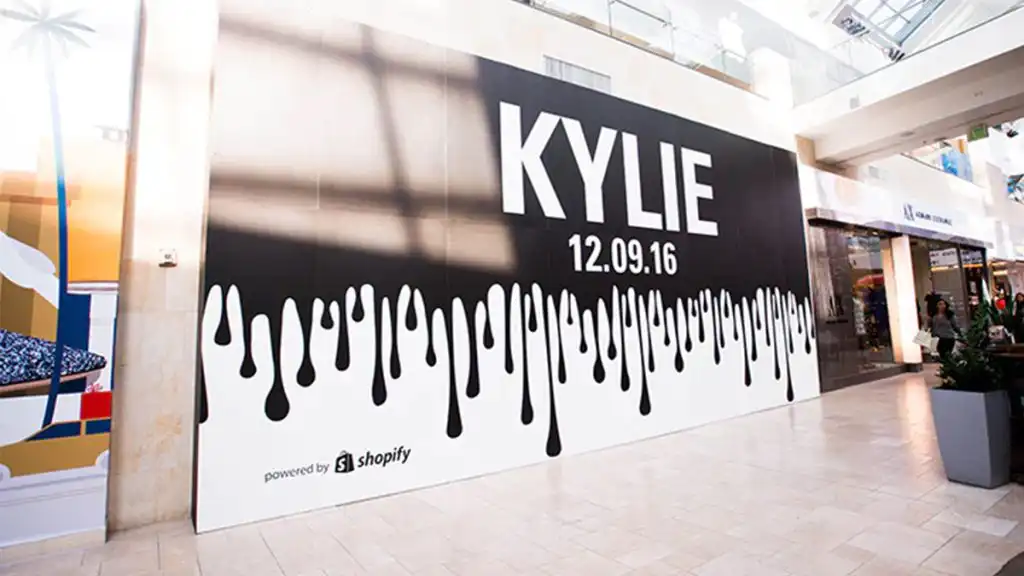
A line snakes out of sight down the wide aisles of the Westfield mall in Los Angeles. Crowds of people called in sick and skipped school to be the first to see their favorite cosmetics brand in the flesh. Until that day in December, Kylie Cosmetics had never existed outside a website. Shopify would help Kylie Jenner bring her online-only brand to life. Embodying her brand, which is really embodying Kylie Jenner as a person, would teach her a lot about her fans. And it would teach us a lesson about the power of experiences. The Shopify team shares its IRL insights and advice for e-commerce brands of every size.

From low overheads to the freedom to work whenever and wherever you want, the benefits of running an online business are countless. Many merchants operate purely as e-commerce stores, never expanding into a physical location. Never meeting customers in person.
It is entirely possible to exist only online and grow into a large business. In fact, that is exactly what the biggest celebrity brand on the internet did.
Until late last year, Kylie Jenner’s namesake makeup line launched, then exploded, on a single channel: her own Shopify store. She did not sell wholesale or stock her products in a physical store. To get your hands on a Kylie Cosmetics Lip Kit, you had to buy it straight from the source.
But even Kylie Jenner, whose brand growth outshines that of other celebrity businesses, recognized the value of a little face-to-face time.
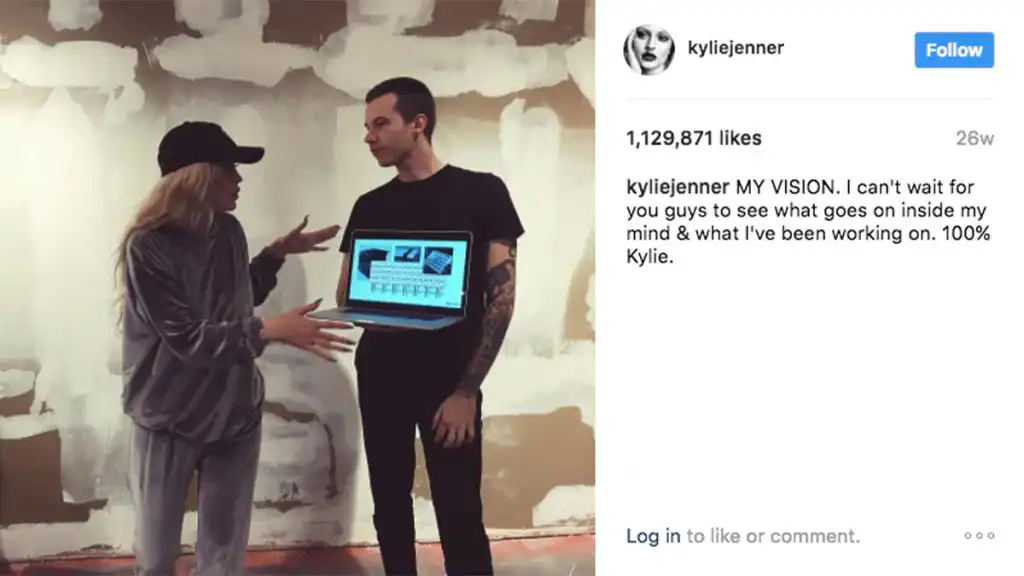
In November, Shopify helped Kylie Jenner bring her online-only brand to life, reimagining it in 2D and 3D. Embodying her brand – really, embodying Kylie Jenner as a person – would teach her a lot about her fans.
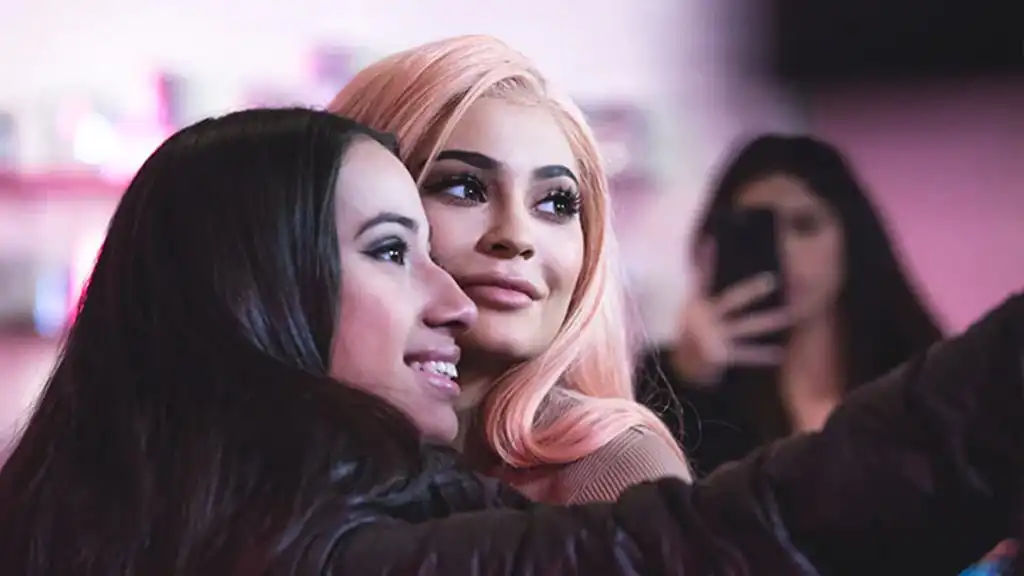
And it would teach us a lesson about the power of experiences.
I admit that before meeting the team, I doubted I could take away anything relevant to the majority of our merchants. “How could a megastar’s success story relate to the experience of an average small business?” I thought. But I was wrong.
The theme that kept coming up in my conversations was that, whatever the size of the business or its budget, even the simplest human-contact experiences are incredibly valuable for e-commerce brands.
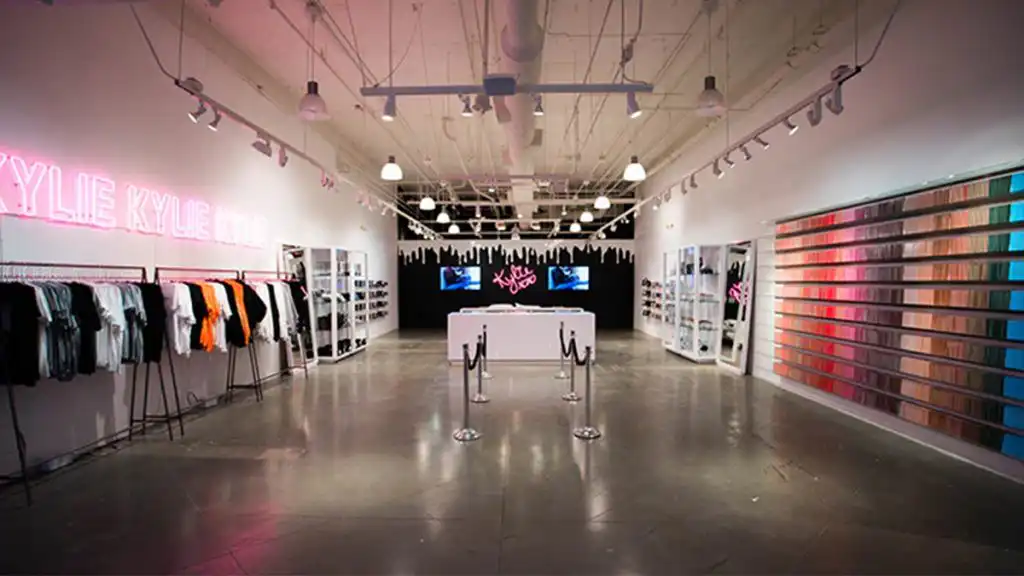
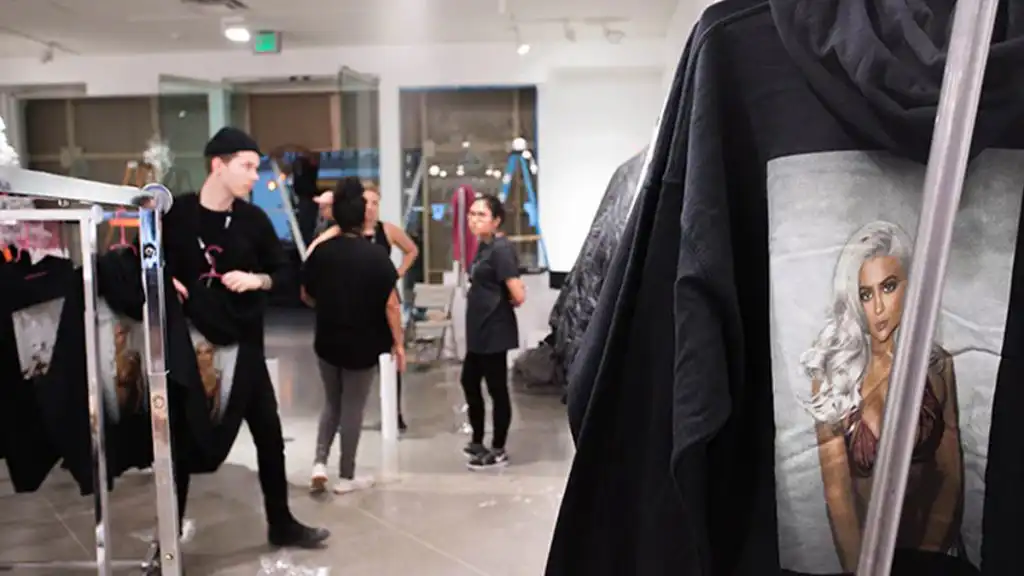
At the eleventh hour, the Shopify team turned to DIY tricks to finish the job in time for launch day. In the end, it was a clean space, not extravagant, and a model within reach of even the newest brands.
I asked the team on the ground about their experience building out a major online brand and their advice for other brands looking to do the same:
- Cody Debacker, Project Champion
- Matt Vaile, Designer
- Natasha Singh, Project Manager
- Rahul Kulkarni, Product Manager, POS
- What do they expect from the skincare products they use?
- Which products are they currently using?
- Michael Brewer, Designer
Special thanks to Jane Lee, Arati Sharma and Catherine Chiong for their additional input.
Creating Offline Experiences: What We Learned from Kylie Jenner’s Pop-Up
Why?
Nothing beats the tactile experience of rubbing fabric between your fingers or trying a lipstick on your own skin. From a product point of view, the benefits of IRL brand experiences are obvious.
But bringing your brand into the real world has benefits that last long after your shop closes. “It’s more about selling your brand, not the product,” says Michael, “your website already does that.”
Even if sales are not the goal, or if sales are more disappointing than expected, the exercise can teach you a lot about your product and your customers. Who comes into the space? How do they react to your products?
“Find out who your customer is in real life. The people who lined up at Kylie’s pop-up were so interesting – the demographics I saw were mind-blowing. You think you know who your customer is, but you don’t really.” – Natasha
Your goal might be to grow your brand in a local market, draw people in with the experience and give them a card offering a discount on their online purchases afterwards.
“Let’s say you didn’t sell anything, but you got everyone excited about your brand and drove people to the site afterwards. The two feed each other. You just have to think about what you want from this pop-up. Sales aren’t the end goal. A pop-up can do several things. It can build brand awareness. It can be a search for partnerships.” – Michael
Pop-Ups, Parties, Markets and Experiences
Even if you may never have Kylie Jenner’s budget, a two-week pop-up in a high-end mall is not the only way to bring your brand to life. There are several options for more modest budgets, as long as you get creative.
“Think beyond a pop-up, like an open house or a party. You invite your collaborators, the people already on your email list, the ones following you on Instagram. You invite them to a holiday get-together. It’s a shopping experience, but it’s not specifically saying ‘Come buy my products.’ It’s a party that also gives people the chance to buy the product.” – Matt
Offline ideas:
- Sponsor an existing IRL event by providing your products for goodie bags and the like.
- Partner with a retailer to run a pop-up experience inside an established store.
- Host a party or open house in your studio or workspace.
- Share costs by running a multi-brand pop-up.
- Run an interactive activity or experience at an event or market – a great idea for service businesses.
- Look into markets, fairs and events in your area that accept vendors.
- Teaming up with other brands not only cuts the cost of the event or experience, strategic partnerships can also help grow your audience. Partner with brands whose customers could also be yours.
“Shared booths are a really interesting way to save money – find a business with the same sensibility, the same vibe as you. Maybe you make notebooks and I make something else. We have the same demographic.” – Michael
Maybe your brand experience has nothing to do with sales and is simply about creating buzz, generating press and raising brand awareness in a specific place. Take a cue from the big names:
“In Toronto, The Weeknd set up a big car with lightning inside it. That could have been it. On its own, it could have been the pop-up. People would have talked about it for the rest of their lives and gone to listen to his album.” – Michael

Timing and Location
When is the right time to bring your online brand into an offline space? It depends on your goals:
- Launching a brand, a seasonal collection or a new product
- Unveiling a new brand
- Running a sale or promotion
- Holiday season or gifting
- As part of a limited-time event or market that targets your audience
“The run-up to the holidays is the one time of year when people start thinking about shopping for others. With the Kylie Jenner pop-up, we wanted to make sure customers could buy gifts.” – Matt
If you are looking to rent a physical space for a pop-up, build relationships locally:
“Start building relationships with an established retail store or boutique to give you access to space. Kylie Jenner built a relationship with Westfield. They gave her the opportunity to open the store for two weeks. She took it. I’m not saying she got it for free, because she definitely didn’t, but you need to find a way to work with someone who can help you get set up on short notice.” – Cody
Staffing Your IRL Experience
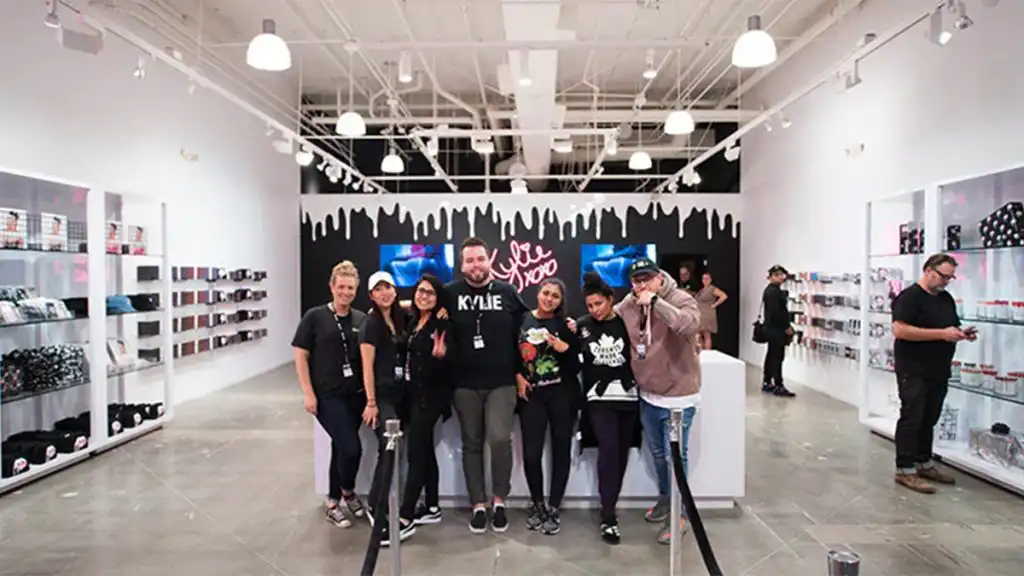
For Kylie Jenner’s pop-up in Los Angeles, we hired an agency that provided 50 staff for the two weeks of the event. The team focused much of the training on customer experience, staff enthusiasm and brand knowledge.
“As soon as you get in line, someone greets you. Someone says, ‘Congratulations, you made it through the eight-hour wait.’ Once you’re inside, someone greets you. She says, ‘Hi, how are you?’ We had makeup experts, apparel experts. They really talk to you like you’re the only person in the room. At checkout, someone says, ‘Oh my God, I can’t believe you bought that, I love it too. I love it too.’ Like a friend, like someone who had worked there forever. That’s what I took away from the experience: you have to invest in people.” – Cody
For younger brands, the same strategy can apply on a smaller scale when running a pop-up or event. Anyone can be trained to check out customers on a point-of-sale (POS) system, so turn to your networks to find people who already embody and love your brand – friends, family members and even your brand’s loyal customers.
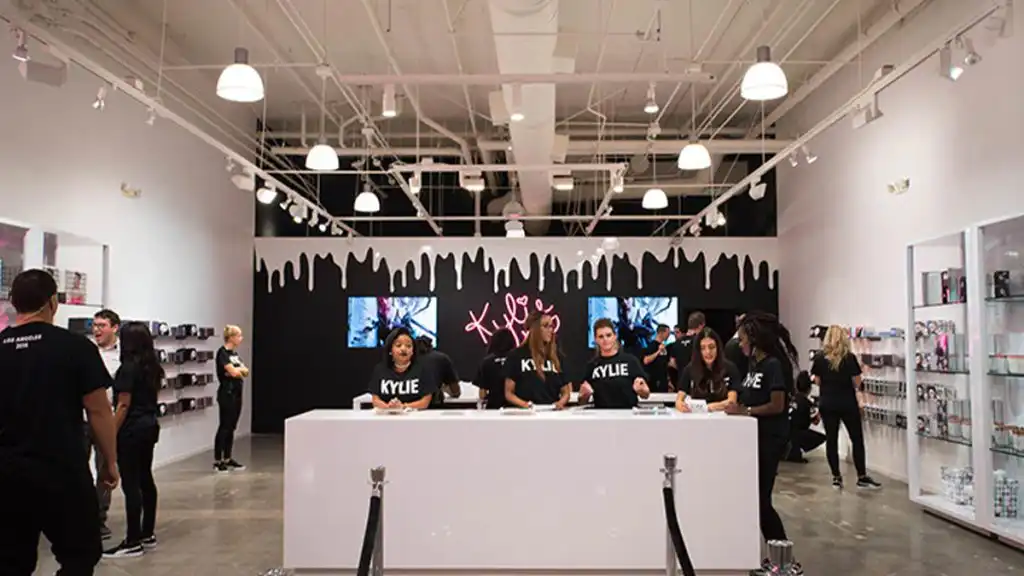
“Your customers probably know your brand as well as you do. Whether it’s your family and friends or people who already buy from you, invest your time and energy in them, because they’re the ones who will give your customers the best experience.” – Cody
How to Succeed: Building Your IRL Experience
Translating Online to Offline
A clear understanding of your brand online will help you decide how it comes across offline. Ask yourself:
- What do I want people to feel when they walk in?
- What kind of people am I trying to attract?
- How will my brand translate into things people can touch, hear, smell, feel or taste?
For Kylie Jenner, she and her brand are one and the same. Naturally, a physical version of that brand was a replica of her own bedroom – a way for customers to get up close and personal with Kylie Jenner, the person.
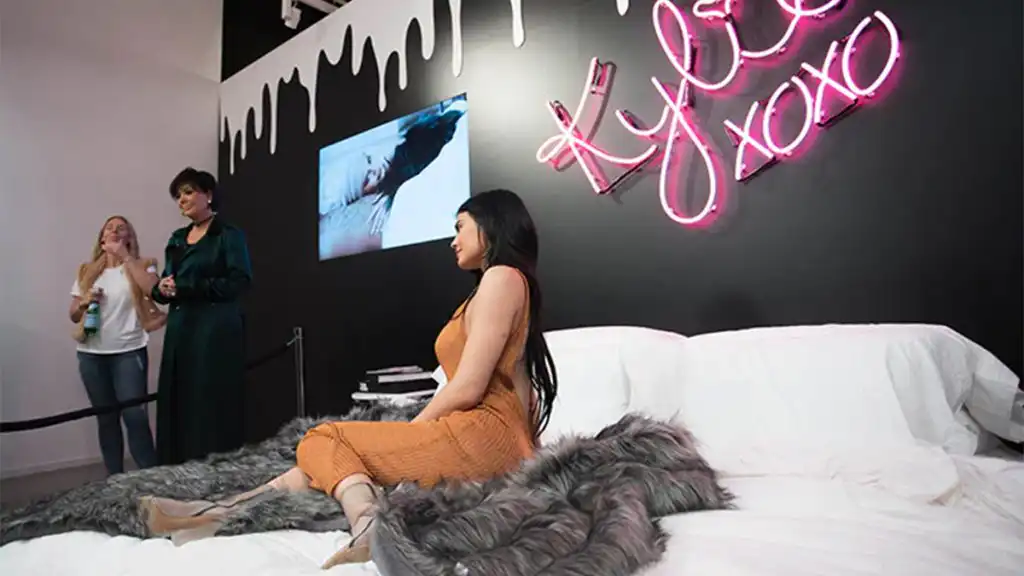
“If you could imagine walking into your website, what would it look like? You’re creating a physical version of your website. The choices you’ve already made about colors, photography, usability and everything else, you’ve already made them. Now do it in real life.” -Michael
Product
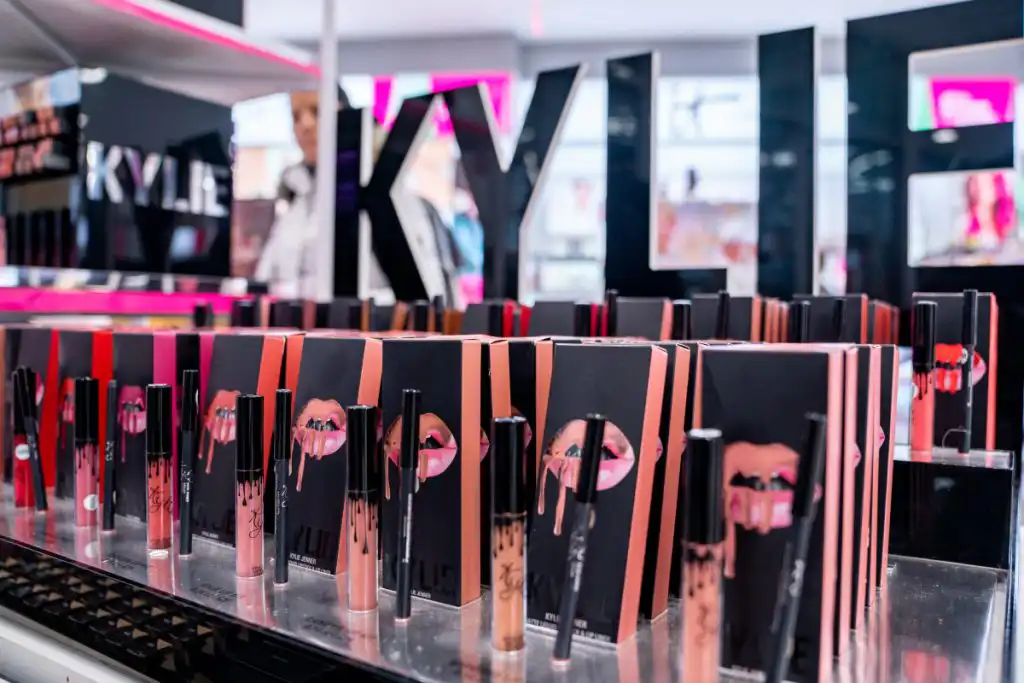
When our team set out to merchandise Kylie Jenner’s products, they realized the Lip Kits had not been designed for retail.
“The problem is that the product was designed to be sold online only. All the lipsticks look the same, except for a tiny font on the front of the box that says ‘gloss’ or ‘matte.’ Good thing we noticed, because someone was actually putting some of the gloss lipsticks in with the matte ones. They look identical. I couldn’t even tell the difference.” – Matt
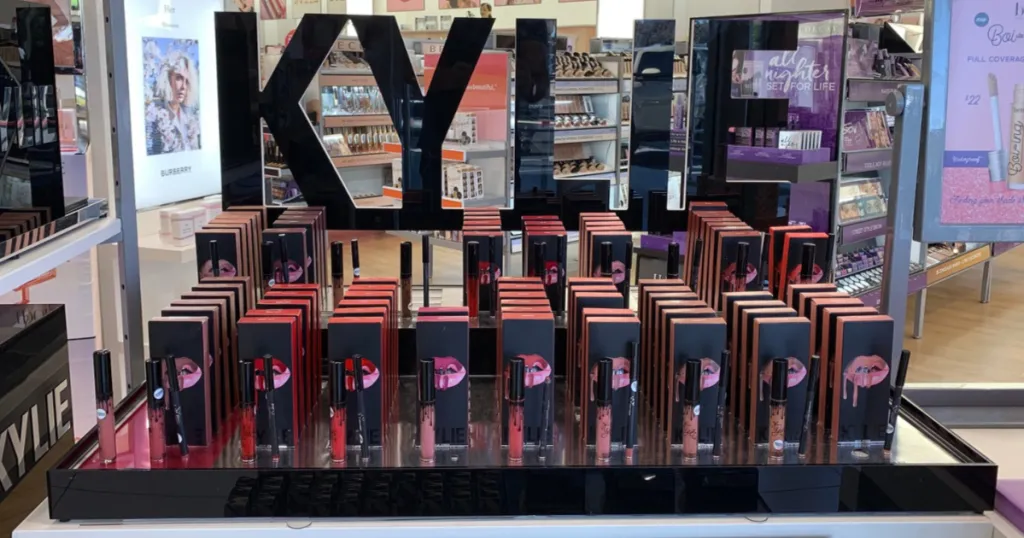
When developing products for online sales, ask yourself whether you might move into retail or want to run a pop-up at some point.
- Can your packaging be adapted with labels or tabs to make selling easier?
- Will you need to develop extra packaging to convey the information normally found on your product page?
- What other products could you create exclusively for retail?
Thinking about these questions at the development stage can save you headaches down the road.
“What looks good for the internet is easy, because you take a photo. But they hadn’t thought about how this product would be presented in a merchandising setting. That’s a huge thing, especially in cosmetics. The way Sephora and MAC design their packaging takes these elements into account.” -Natasha
To solve the Kylie Jenner cosmetics labeling issues, the team used merchandising and staff training to remove frustrations from the shopping experience.
We had to put them on separate shelves, and we even had to train our checkout staff to say: “Did you want the gloss? Did you want the matte? Is this the right one?” – Matt
Budget
Although our team has worked with far bigger budgets than the average Shopify merchant, they insist that any merchant can deliver an outstanding in-person experience on a small budget. Fortunately, minimalism is on trend right now, even among big celebrity brands like Kanye’s Pablo pop-up.
“It’s about how you source. It’s about how you present your brand in that space. It’s not about money or going crazy. A lot of stores go minimalist these days. They go for nice wood, white walls, rolling racks, a table. That’s nothing.” – Michael
So where should you put your money?
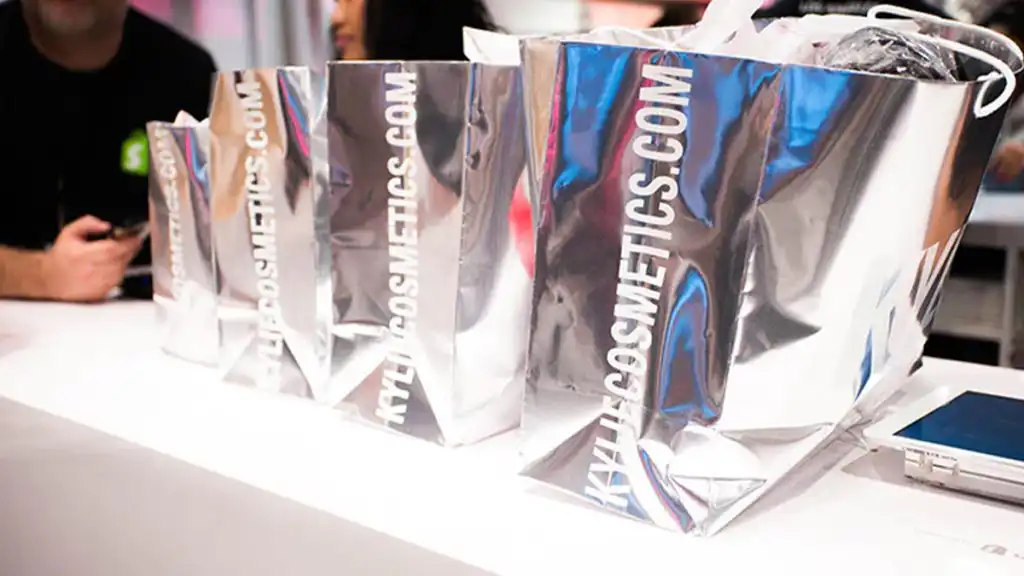
“Honestly: your product presentation. Whether that’s new packaging, little price tags or maybe bags to hand out. Remember, the experience doesn’t end once they leave your pop-up. It continues when you get home. You have the bag. The unboxing experience. That matters. Do all of that.” – Michael
Invest in versatile display pieces, says Natasha:
“Order a ton of plexi, because you can use it in so many ways. We had to find a quick fix for iPad stands. You have to be resourceful in those moments. Matt came up with the idea of mounting the iPads on clear plexi, and it looked sleek and sexy. And it cost nothing. Nothing at all! Probably about fifty dollars in the end.” – Natasha
Merchandising and Display
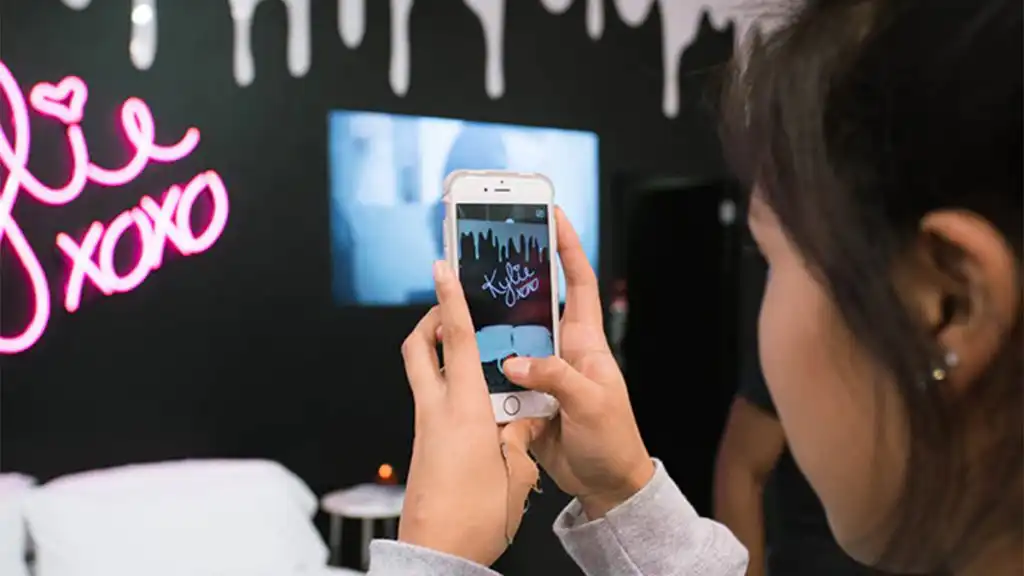
Kylie Jenner’s vision for her first pop-up was a space that let her fans peek inside her world. The experience was everything. The store featured a bed made to look like Kylie Jenner’s own and a selfie station that let fans take a piece of the experience home.
Ultimately, the goal was to sell products, and our team was challenged to build products into the experiences while staying true to Kylie Jenner’s vision.
Tips for setting up stunning displays and shoppable experiences:
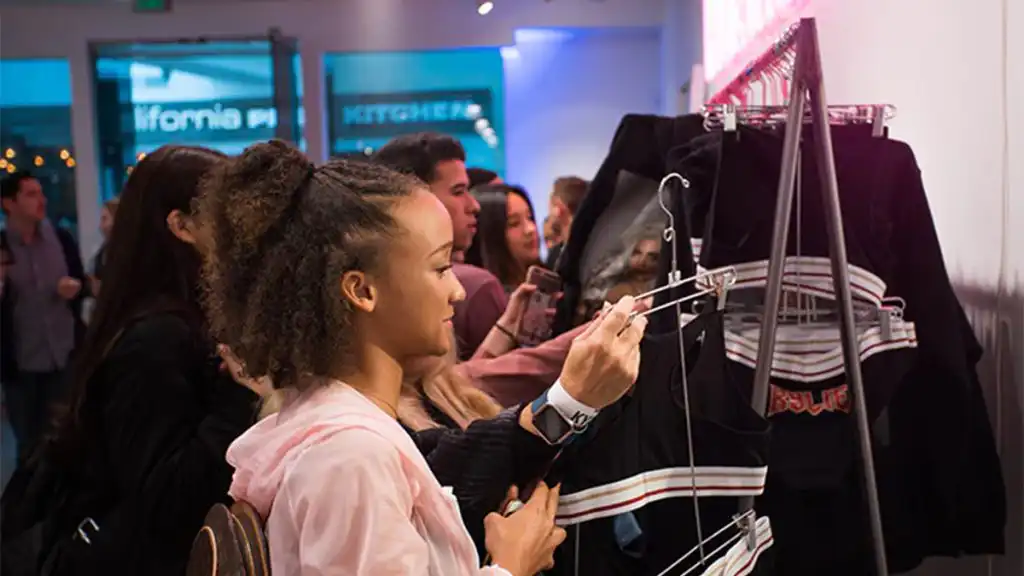
The best experiences double as displays. “You have to think about the experience and the sale at the same time. People are more likely to buy something if they can take it straight from the active display. That’s where the magic happens. It’s better than just saying ‘Here’s a rack of clothes.’ At Kylie Jenner’s pop-up, the Christmas tree held products – even the tree could be bought.” – Matt

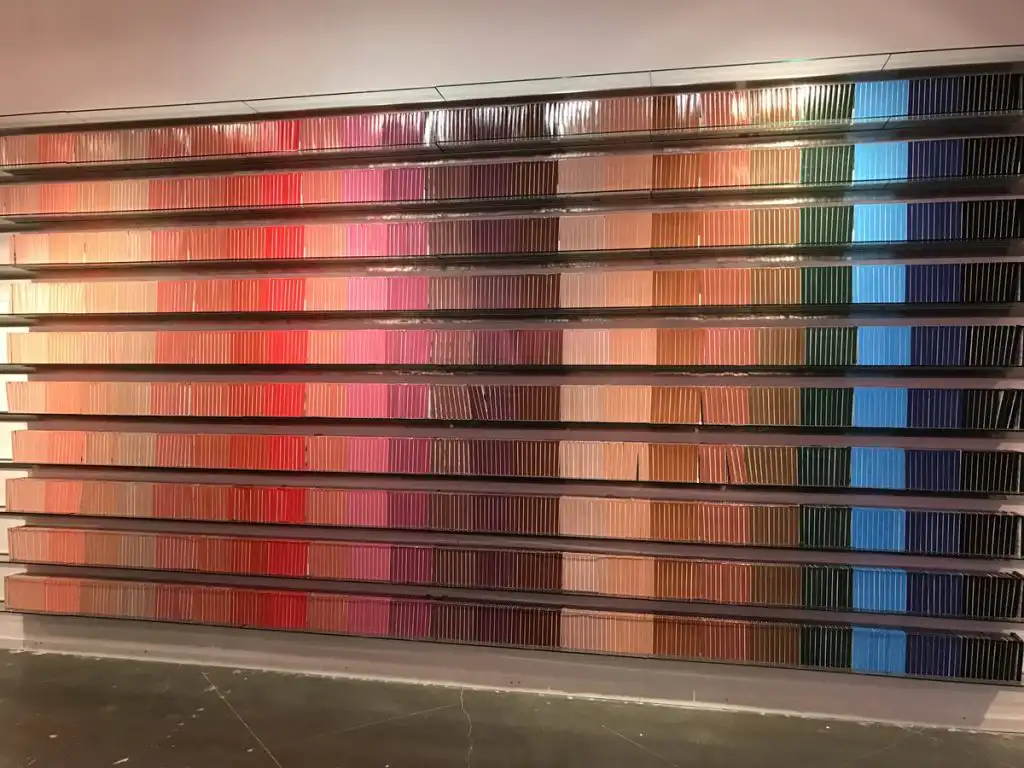
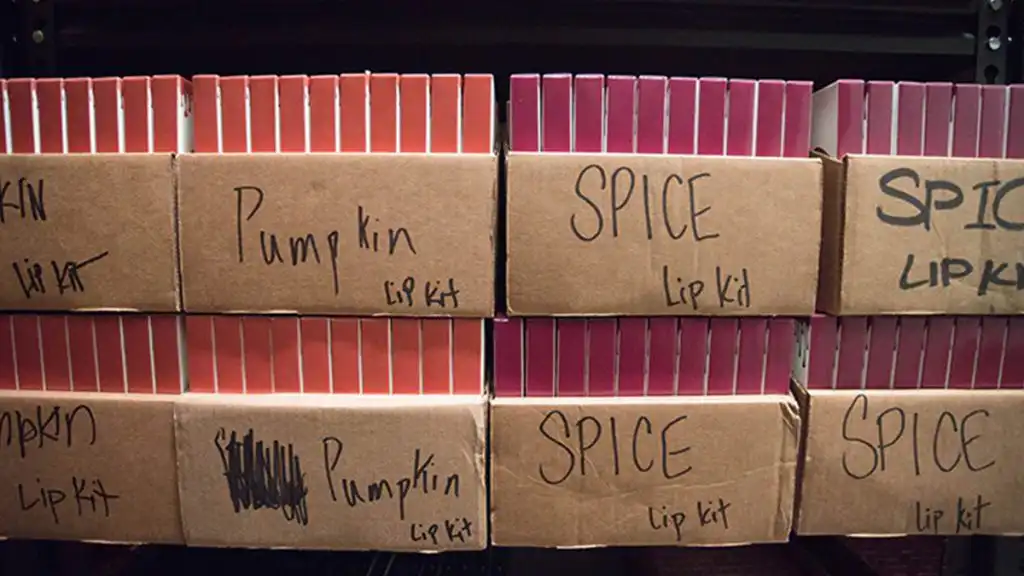
- Multiples of the same item can be striking, especially when they stack up to form their own display. Kylie’s Lip Kit wall showed more than 4,800 Lip Kits on simple shelves, so the product itself became the centerpiece. As the display was bought down, it always looked full.
“If you make ornaments, make a thousand of them. Put them all on one tree because it will look really impressive. Or if you make candles, literally stack the candles from the floor up so that as they sell out, they still look cool. It creates a sense of urgency.” – Matt
- You don’t need custom or professional fixtures. When the professional fixtures didn’t work out for Kylie Jenner’s pop-up, the team rushed to fill the gaps with simple, inexpensive display pieces.
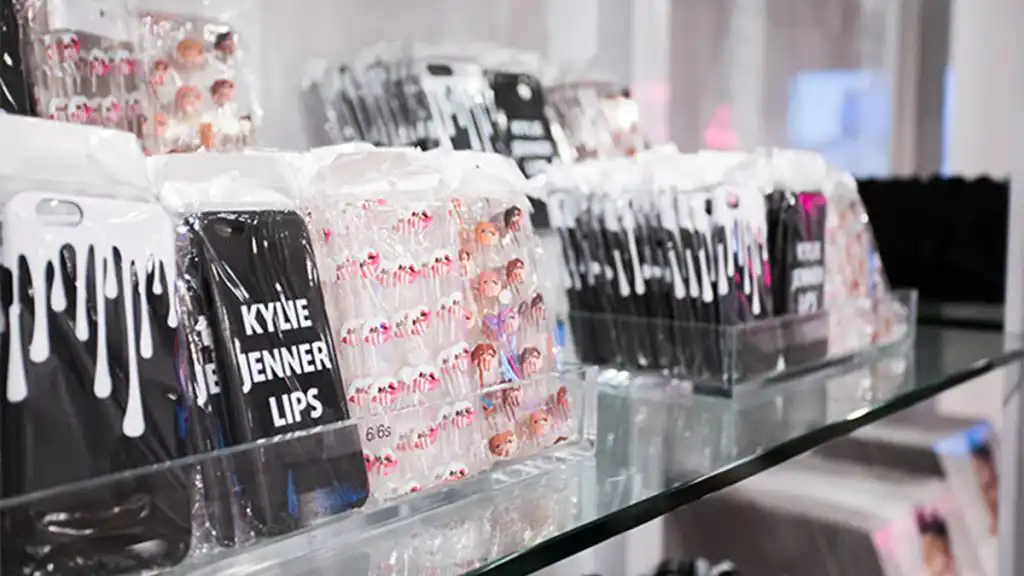
- The accessory display pieces came from Target or the dollar store (really!).
“We had placed an order for fixtures for all the small accessories. The production company didn’t deliver, and we wondered what we were going to do with the phone cases, underwear, accessories, all that random stuff! Matt and I went to the home decor section at Target and bought little cages. You can really go to Target and buy things for the home that turn into a whole range of great ideas.” – Natasha
- Think about durability and accessibility. Your merchandising should look good, but if it can’t stand up to customer handling or makes shopping difficult, you’ve failed. At the Kylie Jenner pop-up, the team made compromises on the ultimate Lip Kit wall to keep gloss and matte clearly separated.
- Set a restocking strategy. How will you keep displays full at all times? What happens when there’s nothing left to sell? Will some sizes/styles be kept in the back, with only a few samples on the floor? Organize the space’s storage area and keep it accessible for quick restocking.
POS: Taking Payments IRL
According to Rahul, checkout is the last thing many merchants think about when setting up a pop-up, and even a brand as big as Kylie Jenner was no exception.
“For most merchants trying to set up a pop-up or retail space, point of sale is literally an afterthought.” – Rahul
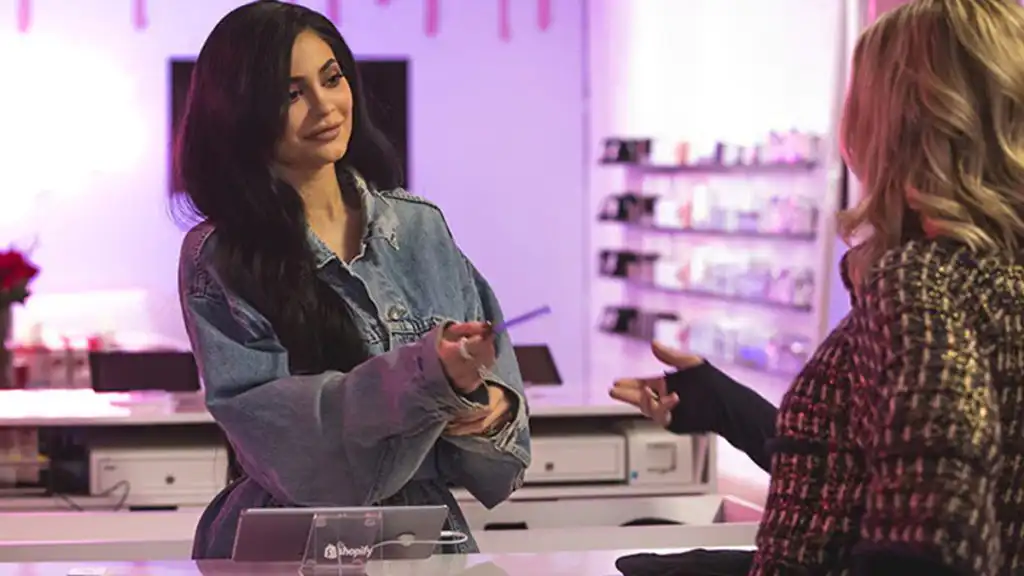
Shopify POS powered Kylie Jenner’s pop-up, and the team carefully studied how customers would interact with checkout, keeping it as light as possible so the focus stayed on the brand.
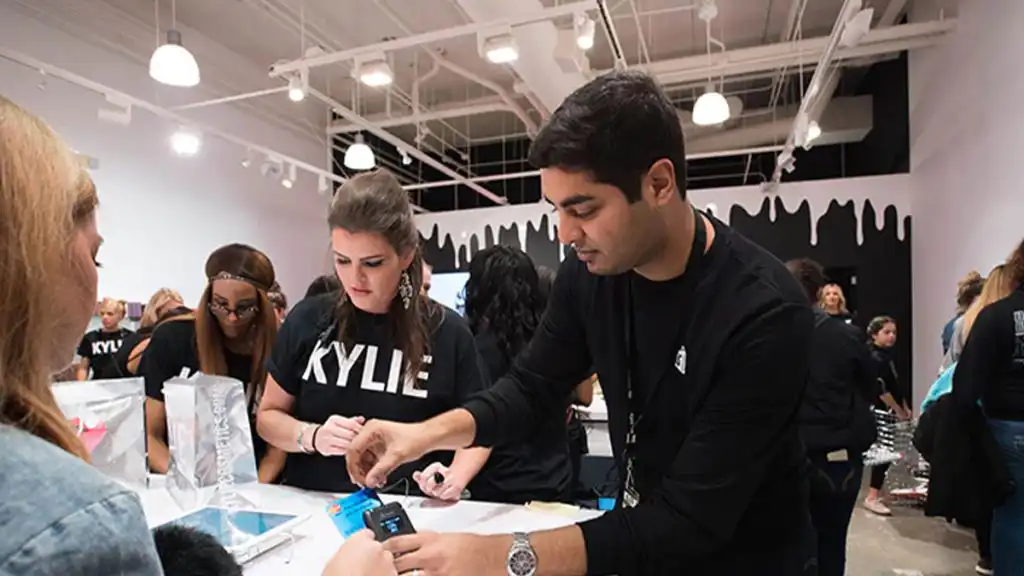
“When customers came into the store, they were given a wristband and entered their details. When they get to checkout, we ask for their name, then automatically email them a receipt. That made the customer experience better and more personal.” – Rahul
Also think about how you will handle customer service issues such as returns and exchanges. You may have an app or process that helps you manage these for your online store, but they can be tedious in person, especially in a temporary retail setting.
“With Kylie Jenner, we went with a final-sale policy because, realistically, when you’re running a pop-up shop, you want to improve the shopping experience. You’re not set up to offer the best customer service.” – Rahul
The Power of Experiences
Customers expect the in-person experience to add value over the online one. Kylie Jenner’s pop-up not only encouraged customers and fans to interact with the space and share it on social media, it was also the only place to find sold-out shades and new products launched just for the holidays.
A few experience ideas:
- Selfie stations and photo booths
- Drink or snack stations with signature cocktails or flavors, in partnership with a local craft distillery or an up-and-coming food business.
- Try-on experiences – testers, makeup artists, personal stylists, fitting rooms
- An interactive or DIY experience
- Engaging the senses through scent marketing or sonic branding.
- Workshops or classes in your space (incorporating your product)
- Exclusive products and offers
- VR experiences
- live music.
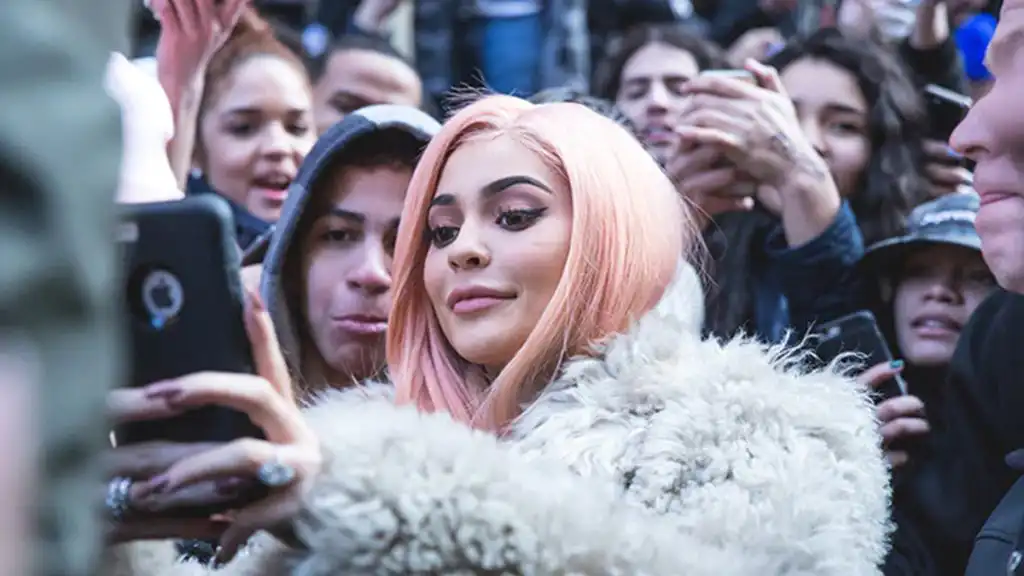
Remember that you are your brand, and you should play a big part in the experience. Use your one-on-one time with customers to tell your story. Even Kylie Jenner took the opportunity to speak to her fans personally.
The most important lesson we learned bringing one of the biggest celebrity brands to life? Less is more. Don’t muddy your brand story with too much fanfare. In the end, the experience we built with Kylie Jenner was a simple design with inexpensive props that let her brand shine.
“When we started building her store, we did everything we could to make it lavish. We built it like a makeup store, like a Sephora. It was so intense. Then she showed us the Pablo pop-up. It was a really cool space with four rolling racks and a huge vinyl. That’s all it was. It’s affordable for everyone.” – Michael